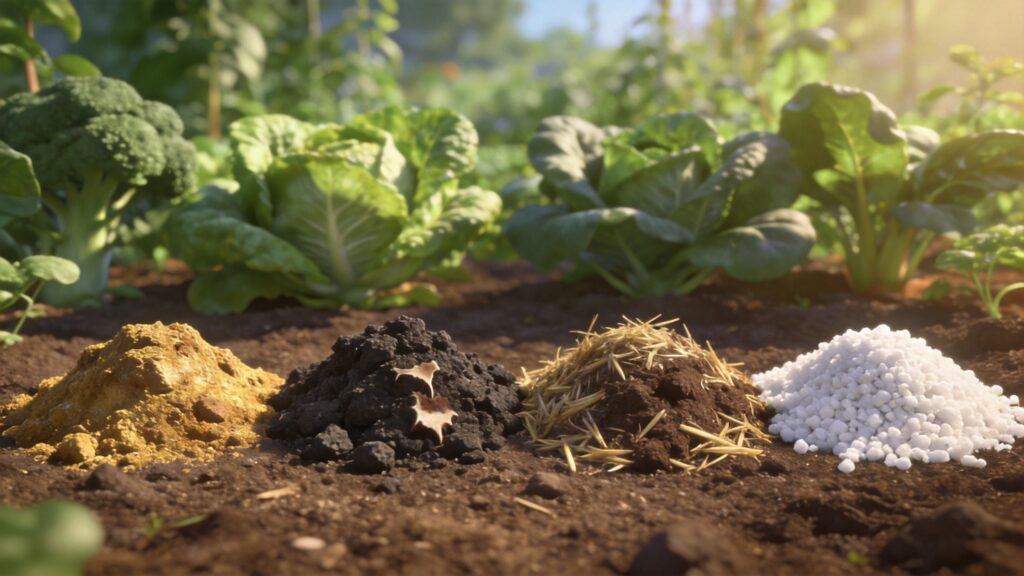
When it comes to feeding your garden, the debate over chicken manure vs. other fertilizers is as old as the compost pile itself. American gardeners, from backyard vegetable growers to suburban lawn enthusiasts, are increasingly turning to organic options, but not all manures are created equal. Chicken manure often gets top billing for its potency, but is it truly the champion? This deep dive compares chicken manure with cow manure, horse manure, and synthetic chemical fertilizers across nutrient content, application safety, cost, and sustainability — giving you the facts to choose the best feed for your soil.
Nutrient Showdown: What’s in the Mix?
The most immediate difference between fertilizers lies in their nutrient profile. Chicken manure is notoriously high in nitrogen, which fuels leafy green growth, but it also packs a punch in phosphorus and potassium. A typical analysis of fresh chicken manure (layer hen) shows roughly 1.5% N, 1.0% P₂O₅, and 0.5% K₂O — but these numbers can vary based on bedding and diet. When composted, the nitrogen stabilizes to around 2–3%, still far richer than most barnyard manures.
| Fertilizer Type | Nitrogen (N) | Phosphorus (P₂O₅) | Potassium (K₂O) | Organic Matter |
|---|---|---|---|---|
| Chicken manure (fresh) | 1.5% | 1.0% | 0.5% | ~25% |
| Cow manure (aged) | 0.6% | 0.4% | 0.5% | ~20% |
| Horse manure (composted) | 0.7% | 0.3% | 0.6% | ~22% |
| Synthetic 10-10-10 | 10% | 10% | 10% | 0% |
While chicken manure leads the pack in nitrogen, it also contains a higher concentration of micronutrients like calcium, magnesium, and zinc — essential for plant enzyme function and disease resistance. Cow manure, on the other hand, is a gentle, slow-release option with more balanced but lower overall numbers. Horse manure often comes mixed with bedding (straw or wood shavings), which dilutes its nutrient density but improves soil structure. Synthetic fertilizers offer precise, instantly available N-P-K but lack organic matter and micronutrients, often leading to “fast food” growth that can stress plants and leach away in rain.
The real winner here depends on your goal: if you need a quick nitrogen boost for corn or leafy greens, chicken manure is hard to beat. For building long-term soil fertility, the slower-release cow or horse manure may be more suitable. Pro tip: use a soil test before applying any manure to avoid overdoing phosphorus, which can accumulate and harm waterways.
Application and Safety: Handling with Care
Nutrient richness comes with responsibility. Fresh chicken manure is so “hot” (high in ammonia and salts) that it can burn plant roots and suppress germination if applied directly. The Cornell Waste Management Institute notes that fresh poultry litter can contain pathogens like Salmonella and E. coli, as well as weed seeds if the birds were on pasture. This is why composting chicken manure for at least 6–8 months is non-negotiable for safe use in food gardens.
“Fresh chicken manure is a biological weapon in the wrong hands. Let it compost properly, turning it to 130°F to 150°F for several weeks, and you’ll have a stable, safe soil amendment that outperforms any synthetic.” — Dr. Linda Chalker-Scott, Washington State University Extension
Cow manure, being much less concentrated, can often be applied aged but not fully composted with minimal risk of burn. Many bagged “composted cow manure” products are safe for direct use around vegetables, though they still carry a low pathogen risk. Horse manure is similar, but watch out for herbicide contamination — some hay fields are treated with persistent herbicides (like aminopyralid) that survive the horse’s digestive system and can kill tomatoes, beans, and peas in your garden.
Synthetic fertilizers require careful measurement and watering; over-application is easy and leads to nutrient runoff that pollutes lakes and streams. They also offer zero soil-building benefits — no organic matter, no microbial life support. The safety comparison extends to human health: dust from dry manures can carry fungal spores, while chemical fertilizers can irritate skin and eyes.
- Chicken manure – must be composted; risk of pathogens and ammonia burn; excellent for heavy feeders when handled correctly.
- Cow manure – low burn risk; may contain weed seeds; good general-purpose soil conditioner.
- Horse manure – check for herbicide residues; often mixed with bedding (carbon source); best used as mulch or in compost piles.
- Synthetic fertilizer – instant availability; no organic matter; high runoff risk; can kill soil biology with overuse.
For the home gardener, the safest approach is to compost all manures before using them in edible beds. If you need a quick fix, a dilute fish emulsion or a balanced organic granular fertilizer (like 4-4-4) might be a better choice than raw manure.
Cost and Sustainability: The Bottom Line
Price per pound of nutrient is a major factor for American gardeners. Chicken manure, when purchased in bags (e.g., Black Kow or local brands), typically runs $5–$10 per 50-pound bag, while composted cow manure is often cheaper at $3–$6 per bag. Horse manure can be free from local stables, though you’ll pay in labor to haul and compost it. Synthetic 10-10-10 costs about $0.50–$1 per pound of nitrogen, making it the most cost-effective option in terms of pure N-P-K.
But cost isn’t just about the price tag. Sustainability considers the entire lifecycle: chicken manure is a byproduct of the egg and meat industry, so using it diverts waste from landfills and reduces the need for synthetic fertilizers produced from fossil fuels. However, industrial poultry operations concentrate manure in small areas, leading to local water pollution if not managed properly. In contrast, small-farm or backyard chicken manure is a sustainable closed-loop system. Cow and horse manure from grass-fed operations returns carbon to the soil, supporting healthy rhizosphere biology. Synthetic fertilizers, while cheap and efficient, have a heavy carbon footprint from manufacturing (Haber-Bosch process) and contribute to greenhouse gas emissions (nitrous oxide).
For the environmentally conscious gardener, the best choice is local, well-composted manure — whether chicken, cow, or horse — because it reduces transportation emissions and improves soil health. A 2023 study from the Rodale Institute found that soils amended with composted poultry manure sequestered 0.6 tons of carbon per acre per year more than soils receiving synthetic fertilizers. That’s a win for your garden and the planet.
Practical Case Studies: What Works Where
- Vegetable Garden (Tomatoes, Corn, Squash)
- Use composted chicken manure (applied at 20–30 lbs per 100 sq ft) mixed into the soil two weeks before planting. Supplement with a side-dress of liquid organic fertilizer when fruiting begins.
- Flower Beds & Ornamentals
- Composted cow or horse manure works well as a top-dressing (1–2 inches) each spring. Chicken manure can be used sparingly for heavy feeders like roses, but avoid high-nitrogen formulations that produce lush foliage at the expense of blooms.
- Lawns
- Synthetic fertilizers offer uniform green-up, but for organic lawns, a blend of composted chicken manure and grass clippings provides slow-release nitrogen. Apply chicken manure in early spring and late fall only; overuse can cause brown patches from salt buildup.
- Container Plants
- Avoid fresh manures in pots—they compact and can burn roots. Use a sterile potting mix amended with a small amount of fully composted chicken manure (no more than 10% by volume) or stick with a balanced organic granular fertilizer.
Quick Decision Guide
- Test your soil – know your current N-P-K levels and pH before adding anything.
- Choose chicken manure if you need a heavy nitrogen boost and have time to compost it fully (6+ months). Ideal for leafy greens, corn, and pumpkins.
- Choose cow manure for general soil improvement with low risk of burn. Good for all-around use in flower beds and new garden beds.
- Choose horse manure if you can get it cheap/free and are diligent about herbicide history. Mix with high-carbon materials for best compost results.
- Choose synthetic fertilizer only for quick fixes on lawns or container plants where you need exact control — and always water thoroughly to prevent runoff.
Sustainability also means thinking about packaging. Bagged manures from big-box stores often come in non-recyclable plastic bags. If you can buy in bulk from a local farm or a municipal composting facility, you’ll save money and reduce waste. Many communities now offer subsidized compost made from green waste and poultry litter — a fantastic cost-effective option.
Ultimately, the “winner” in the chicken manure vs. other fertilizers debate depends on your garden’s specific needs, your tolerance for handling risks, and your commitment to soil health. Chicken manure is a powerful tool, but it’s not a silver bullet. Used wisely, it can supercharge your soil; used carelessly, it can do more harm than good.
Conclusion
Chicken manure wins on nutrient density and soil-building potential, but cow and horse manure offer gentler, safer alternatives for beginners. Synthetic fertilizers remain the most convenient and cheapest per unit of nitrogen, but they shortchange long-term soil sustainability. The best approach? Combine the strengths: use composted chicken manure as a targeted boost, rely on bulk barnyard manures for general conditioning, and reserve synthetics for emergencies. A smart gardener knows that no single fertilizer is best—only the right one for the moment.