When I started raising coturnix quail, I made nearly every mistake in the book—and a few that aren’t in any book. I lost birds to head injuries, dehydration, and sheer ignorance. If you’re tempted by those adorable, football‑shaped eggs and think quail are just “small chickens,” let me save you the heartache. Here’s what I wish someone had told me on day one.
The Myth of the Miniature Chicken
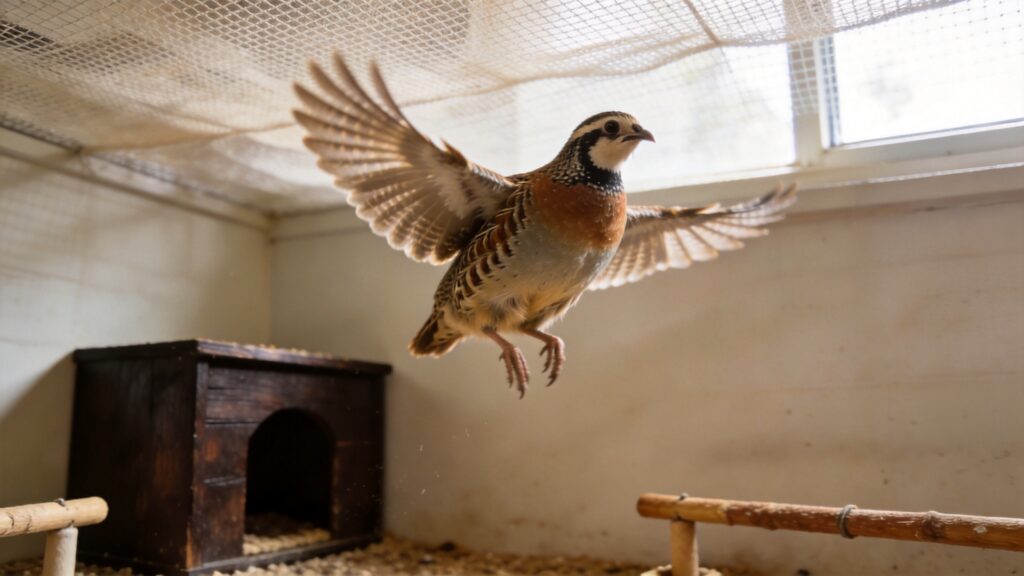
The most dangerous assumption new keepers make is that quail behave like chickens. They don’t. Chickens are domesticated for millennia; quail are still semi‑wild. A chicken will scratch, peck, and roost. A quail will flush straight up when startled—and if your enclosure has a hard ceiling, that sudden vertical jump can kill them instantly. I learned this the hard way after losing three birds to brain hemorrhages in a coop with a solid wooden roof.
“Quail are prey animals wired for flight, not flightlessness. Their instinct is to launch upward, not sideways. Treat their housing like a bird of prey exhibit, not a chicken coop.” — Dr. Amy Radford, Avian Behaviorist
Behaviorally, quail are also colony animals with a strict pecking order. Crowding triggers feather picking and cannibalism. Unlike chickens, they rarely use nesting boxes; they lay eggs anywhere on the floor. And forget about taming them—they’re not lap pets. If you want a cuddly bird, get a duck. But if you want a prolific egg layer that matures in six weeks, quail are perfect—once you understand their wiring.
Housing Mistakes: Height, Roof, and Shelter
Height: The 18‑Inch Myth
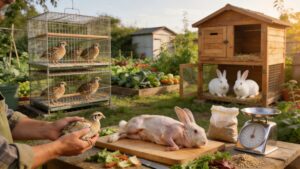
Most online guides say quail need only 12–18 inches of vertical space. Wrong. Sure, they survive in short cages, but they can’t exhibit natural behavior like dust bathing or stretching. Worse, low ceilings increase the risk of head trauma when they flush. I keep my birds in a 36‑inch‑tall aviary with a soft mesh ceiling. If you’re building a rabbit hutch setup, raise the roof—or install a padded top like shade cloth. My mortality rate dropped from 12% to zero after I made that change.
Roof: Hard vs. Soft
A solid roof (plywood, metal) is a death trap. Quail explode upward, hit the roof, and die from broken necks or skull fractures. Always use a soft ceiling: poultry netting, hardware cloth (not chicken wire—it catches toes), or shade fabric stretched tight. I use a combination: hardware cloth for predator protection on the sides, and a nylon bird‑netting top that gives slightly on impact.
Shelter: The Lost Safe Zone
Quail need a dark, enclosed shelter within their enclosure. In the wild, they hide in thick brush. Outdoors, provide a wooden box or a plastic tote with a small entrance. Indoors, a cardboard box with a side hole works. This “refuge” reduces stress, prevents feather picking, and gives weak birds a place to escape bullying. I also install low perches (2–4 inches off the ground)—quail don’t roost up high, but they enjoy a low platform to rest.
Feeding and Watering Challenges: Specialized Equipment
Standard chicken feeders and waterers are a disaster for quail. Here’s why, and what to use instead.
The Waterer Trap
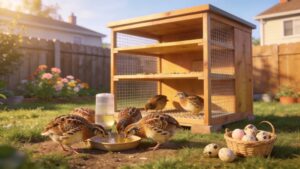
Chicken nipples? Useless. Quail don’t have the beak strength to push them, and young chicks can’t figure them out. Open water cups? They’ll drown in a quarter‑inch of water. I lost two chicks to a shallow dish before switching to a quail‑specific bell waterer. Look for a heavy‑based ceramic or plastic bell that uses a small trough—it prevents tipping, self‑cleans, and won’t drown even day‑olds.
Feeder Design
Chicken trough feeders allow quail to jump inside, poop, and waste feed. Use a narrow trough with a lip that forces birds to reach up, or a tube feeder with small ports (1‑inch diameter). Game bird feeders are ideal. I built a DIY PVC feeder with ½‑inch openings—one feeder per 10 birds to reduce competition. Also, NEVER use a feeder with a screen bottom; quail scratch and fling 30% of the feed. Solid bottom, no escape.
Feeder Comparison Table
| Feeder Type | Pros | Cons | Best For |
|---|---|---|---|
| Chicken trough (open) | Cheap, easy to find | Waste 30%+; quail jump in; contamination | Not recommended |
| Tube feeder (small ports) | Low waste; keeps feed clean | Birds can’t get last bits; need to refill | Adults, 5–10 birds |
| Bell waterer (quail style) | Self‑cleaning; drown‑proof | Heavy base needed; some models leak | All ages |
| DIY PVC pipe feeder | Customizable; cheap | Requires tools; can soften in sun | Breeders, large flocks |
Beyond the Basics: 5 More Hard‑Learned Lessons
Housing and feeding cover the top mistakes, but here are five more areas that tripped me up—and will likely trip you too.
1. Temperature: Hotter Than You Think
Quail chicks need a brooder temp of 95–100°F for the first week, dropping 5°F per week. I followed chicken brooder guides and kept mine at 90°F—half died from chilling. Adult quail are heat‑tolerant but hate drafts. Use a radiant heat plate, not a heat lamp (lamp fire risk + sleep disruption).
2. Male-to-Female Ratio: The No‑Fight Rule
One male per 3–4 females minimum. More females per male reduces stress and increases fertility. With a 1:2 ratio, I had broken backs (males crushing females) and bare patches from over‑mating. Now I run 1:5 and keep extra males in a bachelor cage for meat.
3. Noise: Not Silent at All
Females make a soft “bwaa” call; males crow like a rusty gate hinge. For a suburban backyard, males are a noise issue. I keep only females and buy fertilized eggs for hatching. If you must keep males, locate the coop away from property lines and pad the walls with egg crate foam.
4. Disease Prevention: Spotlight on Ulcerative Enteritis
Quail are prone to bacterial infections from dirty litter. Use a deep litter method with pine shavings, but scoop wet spots daily. I once skipped a week of cleaning and lost a third of my flock to enteritis. Now I add probiotics to water and replace litter monthly.
5. Hatching: Easier Than Chickens (Almost)
Quail eggs hatch in 17 days, with higher humidity (60–70%). Don’t turn eggs after day 14. And here’s a trick: stop turning eggs on day 12 for higher hatch rates—embryos float and attach better. I switched to a forced‑air incubator with automatic turners and hit 85% hatch rates.
Bringing It All Together: Your First Week Checklist
Before you bring home eggs or chicks, run through this quick list:
- Housing: Minimum 1 sq. ft. per bird, 30″+ height, soft ceiling, refuge box.
- Water: Bell waterer or chick fountain with marbles (to prevent drowning).
- Feed: Game bird starter (28% protein) for chicks, 20% breeder for adults.
- Heat: Brooder plate, 95°F first week, 5°F drop per week.
- Gender: Start with 4–5 females per male, or go all‑female.
- Safety: Hardware cloth on sides (½″ mesh), top netting, predator apron.
Conclusion
Quail are not chickens. They’re a different species with unique needs—taller housing, softer ceilings, specialized feeders, and a fierce prey instinct. Yes, I made mistakes. But once you correct them, quail are the most rewarding back‑yard livestock you’ll ever own: quiet, fast‑growing, and producing eggs tiny enough to pickle. Learn from my blunders, and your first flock will thrive.