Imagine buying six adorable baby chicks for your backyard. You choose a small coop, set up a brooder, buy chick feed, and start planning for fresh eggs.
A few months later, one of those “chickens” starts crowing.
Suddenly, you have a rooster.
For a new backyard chicken keeper, this can be an unexpected problem. You may have assumed that if your city allows backyard chickens, all chickens—including roosters—are permitted. But that is not necessarily how local poultry regulations work.
In many residential communities, rules may allow hens while restricting or prohibiting roosters. The difference usually has less to do with eggs or animal care and more to do with noise, neighborhood compatibility, and nuisance regulations.
Before buying chicks, understanding rooster rules can help you avoid an expensive and stressful surprise.
Why Are Roosters Treated Differently?
The main reason roosters receive different treatment is noise.
Hens generally make relatively quiet sounds, although they can certainly become noisy when disturbed or excited. Roosters, however, are famous for crowing.
A rooster does not necessarily limit his crowing to sunrise. Depending on the individual bird and environment, crowing can occur throughout the day. Light, other animals, neighborhood activity, and other roosters can all contribute to vocal behavior.
In a densely populated neighborhood, repeated crowing can become a source of complaints.
For this reason, local governments may regulate roosters differently from hens. A community may decide that a small number of hens is compatible with residential living while determining that roosters create a greater potential for noise-related conflicts.
This is why “backyard chickens are legal” does not automatically mean “roosters are legal.”
The Difference Between Hens and Roosters
The distinction becomes especially important if your main goal is fresh eggs.
Hens do not need a rooster to lay eggs.
A hen will produce eggs whether or not a rooster is present. A rooster is necessary only if you want those eggs to be fertilized and potentially develop into chicks.
This means that someone keeping chickens primarily for household egg production may not need a rooster at all.
For a beginner, this can simplify both flock management and legal compliance.
However, people who want to breed chickens, hatch chicks, or maintain a self-replacing flock may have a different situation. If that is your goal, you should check the local rooster rules before purchasing birds.
The “Six Chicks” Problem
One of the easiest ways for a beginner to accidentally acquire a rooster is by buying straight-run chicks.
Straight-run means the chicks have not been reliably sexed and are sold as a mixed group of males and females.
If you buy six straight-run chicks, you cannot assume that all six will become hens.
Depending on the birds and circumstances, some may develop into roosters.
This creates an important planning problem.
You may have researched your local flock limit and discovered that six chickens are allowed. But if roosters are prohibited, the issue is not simply whether you are allowed to have six birds.
You need to know whether all six can legally be hens and what you are expected to do if one turns out to be male.
Sexed Chicks Can Reduce the Risk
Beginners who want an egg-producing flock often look for sexed pullets rather than straight-run chicks.
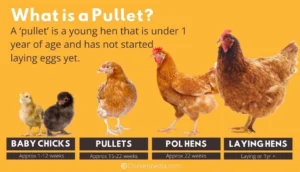
A pullet is a young female chicken that has not yet reached full maturity.
Sexing methods vary depending on breed, age, and seller, so “sexed” does not necessarily mean a zero-percent chance of error. However, purchasing properly sexed female chicks can substantially reduce the possibility of unexpectedly ending up with a rooster.
This is particularly important in communities where roosters are prohibited.
When purchasing chicks, ask the seller:
- Are these chicks sexed?
- What is the expected accuracy of the sexing?
- What happens if a chick turns out to be male?
- Is the bird sold as a pullet or straight-run?
- What breed-specific sexing method was used?
Do not wait until a young bird starts crowing to figure out your local options.
What If Your Chick Turns Out to Be a Rooster?
This is one of the most important questions to answer before bringing chicks home.
If you discover that one of your birds is a rooster and your local rules prohibit roosters, keeping it simply because you have become attached to the bird may create a legal problem.
Your options can depend on local rules and available resources.
Some owners rehome the rooster with someone who is legally permitted to keep one. Others contact local farms, poultry groups, animal shelters, rescue organizations, or experienced chicken keepers to ask about appropriate rehoming options.
However, you should never assume that a nearby farm can automatically accept a rooster. The receiving property must also comply with applicable rules.
The important point is to have a plan before you buy the chicks.
Noise Rules May Apply Even When Roosters Are Legal
A community that allows roosters may still have general noise or nuisance regulations.
This creates another distinction beginners should understand.
There are at least two separate questions:
Are roosters specifically prohibited?
If roosters are allowed, are there general nuisance or noise rules that still apply?
A rooster may technically be permitted but still create problems if repeated noise results in a valid nuisance complaint under local regulations.
That is why responsible chicken keeping involves more than checking one sentence in a municipal code.
Look for terms such as:
- Rooster
- Cock
- Poultry
- Fowl
- Noise
- Nuisance
- Animal nuisance
- Residential livestock
The exact terminology varies by jurisdiction.
What About Your Neighbor’s Rooster?
Suppose your neighbor has a rooster and you are wondering whether you can legally have one too.
Their situation does not necessarily determine yours.
They may live under different zoning rules, have a larger property, have a lawful pre-existing use, or simply be operating under different circumstances.
They could also be violating a local rule without having received an enforcement action.
Therefore, “my neighbor has a rooster” is not a reliable legal argument.
Your own property should be evaluated based on the current rules that apply to it.
Roosters and HOA Communities
Homeowners association rules add another layer.
Even when city or county regulations permit a rooster, an HOA may have separate restrictions concerning poultry, animals, noise, or nuisance behavior.
If you live in an HOA community, review the governing documents before buying a rooster.
Look for provisions concerning:
- Livestock
- Poultry
- Domestic animals
- Noise
- Nuisances
- Outdoor enclosures
- Property use
If the documents are unclear, ask the HOA for clarification in writing.
Remember that government permission and private community permission are separate questions.
What Beginners Should Check Before Buying Chicks
Before purchasing your first flock, make a simple rooster checklist.
First, check whether chickens are allowed.
Then determine the maximum number of birds permitted.
Next, find out whether roosters are specifically prohibited, restricted, or allowed.
After that, check general noise and nuisance rules.
If you plan to buy chicks, determine whether they are sexed or straight-run.
Finally, create a plan for an unexpected male bird.
This research takes much less time than dealing with a rooster after discovering that your neighborhood does not permit one.
Do You Actually Need a Rooster?
For many backyard chicken owners, the answer is no.
If your goal is fresh eggs, hens are enough.
If your goal is breeding, hatching chicks, or maintaining a breeding flock, then a rooster may be important—but that goal needs to be considered alongside your local regulations.
This simple distinction can save beginners from buying an animal they are not legally permitted to keep.
Final Thoughts
The most important lesson for a new backyard chicken keeper is simple: permission to keep hens does not necessarily mean permission to keep roosters.
Rooster restrictions are often connected to noise and nuisance concerns, particularly in residential neighborhoods where homes are close together.
The safest approach is to check your local regulations before purchasing chicks. If you want an egg-producing flock and roosters are prohibited, consider properly sexed pullets instead of straight-run chicks.
And if you are considering breeding chickens, investigate rooster rules before building your flock.
A little preparation can prevent the classic backyard chicken surprise: buying six “chickens” and discovering months later that one of them is a rooster you cannot legally keep.