If you are thinking about starting a backyard chicken flock, the first price you see may not be the price you actually pay.
A day-old chick can look inexpensive compared with a 16-week-old pullet or a mature laying hen. But chicks require several weeks of specialized care before they can move into a normal chicken setup. You may need a brooder, heat source, bedding, chick feeders, chick waterers, starter feed, and electricity.
That is why beginners should compare the total cost of getting a chicken from purchase day to the point where it can join the regular flock, rather than simply comparing the price of one bird.
So, which costs less: raising chicks or buying pullets?
The answer depends on your local prices, existing equipment, breed, feed costs, and how much you value your time. However, understanding the different expenses can make the decision much easier.
Start With the Purchase Price
The simplest comparison is the price of the bird itself.
Day-old chicks are usually the least expensive starting point. Hatcheries, farm stores, and local breeders may offer different breeds and pricing, and some sellers have minimum order requirements.
Pullets cost more because the seller has already spent weeks feeding and caring for them.
Mature hens may also cost more than chicks, particularly if they are a desirable breed or already laying consistently.
A basic comparison looks like this:
| Expense | Chicks | Pullets | Mature Hens |
|---|---|---|---|
| Purchase price | Lower | Medium | Medium–High |
| Brooder | Usually required | No | No |
| Heat source | Required initially | No | No |
| Chick starter | Yes | No | No |
| Time before eggs | Longest | Shorter | Usually shortest |
| Early management | Highest | Moderate | Lower |
These categories are useful, but they do not tell the entire financial story.
The Hidden Cost of Raising Chicks
The biggest surprise for first-time chicken keepers is how many small expenses can appear after buying chicks.
First, you need a brooder.
A brooder can be a simple homemade setup or a commercially designed unit. It needs to be secure, appropriately sized, easy to clean, and capable of maintaining suitable warmth.
Then comes the heat source.
Depending on the setup, this could involve a heating plate or another appropriate brooding system. Whatever equipment you choose, it should be used safely and monitored carefully.
You also need bedding.
Chicks produce waste frequently, so bedding needs to stay clean and dry. The amount you spend will depend on the material you use, the size of the brooder, and how often you replace it.
Then there are feeders and waterers.
Chick-sized equipment is useful because very young birds need easy access to food and water without being able to climb into or contaminate the containers excessively.
Finally, there is chick starter feed.
The chicks will consume feed for weeks before they reach the stage where their diet changes.
None of these individual costs necessarily seems huge. Together, however, they can make the actual cost of raising chicks significantly higher than the initial purchase price suggests.
Electricity Is Another Small but Real Expense
Heating chicks requires energy.
The total electricity cost depends on your heat source, local electricity rate, room temperature, brooder design, and how long supplemental heat is needed.
For a single small flock, electricity may not become the largest expense. But it is still part of the real cost of raising chicks.
More importantly, electricity represents something else: your dependence on a reliable heat setup.
If a heat source fails during cold conditions, young chicks can be vulnerable. This means chicken keepers need to monitor the brooder and have a plan for equipment problems.
Your Time Has Value
Money is only one part of the calculation.
Raising chicks also requires time.
During the early weeks, you need to check the birds regularly, refill feed and water, clean bedding, monitor the environment, and watch for signs that individual chicks are struggling.
You also need to make adjustments as the chicks grow.
The brooder that works for tiny chicks may eventually become too small. As the birds become more active, you need to provide additional space and prepare their transition to more permanent housing.
If you enjoy this process, the time may feel like part of the fun.
But if your primary goal is simply to have backyard chickens and eggs, you may decide that the extra work is not worth it.
This is where started pullets become financially interesting.
The Economics of Started Pullets
A started pullet has already absorbed many of the early costs.
The breeder or seller has paid for feed, bedding, housing, labor, equipment, and electricity while the bird was growing.
That is one reason a started pullet costs more than a day-old chick.
You are essentially paying someone else to handle part of the chicken’s childhood.
For example, imagine two hypothetical choices.
Option A is a very inexpensive chick.
Option B is a more expensive 16-week-old pullet.
The chick may appear to save money immediately. But after adding brooder equipment, heat, bedding, chick feed, and several months of care, the difference between the two choices may become much smaller than you initially expected.
This does not mean started pullets are always cheaper.
They are simply more expensive upfront and less demanding during the early growing stage.
The Cost of Waiting for Eggs
There is another factor beginners sometimes overlook: time.
If you buy day-old chicks, you are not buying immediate egg production.
You are buying future laying hens.
Depending on breed and individual development, you may wait several months before the birds begin laying.
During that period, you are feeding and caring for chickens that are not yet producing eggs.
A started pullet is closer to laying age, although there is no guarantee that a particular bird will begin laying at a specific age.
A mature laying hen may already be producing eggs.
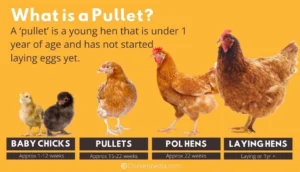
This creates three different financial timelines:
Chicks: lower initial bird price, longer wait.
Pullets: higher initial bird price, shorter wait.
Laying hens: potentially higher initial bird price, shortest wait for eggs.
If your goal is fresh eggs rather than the experience of raising chicks, this timeline should be part of your budget calculation.
What About Losses?
New chicken keepers should also recognize that young chicks are more vulnerable than older birds.
Not every chick necessarily survives to adulthood. Good management, appropriate brooding conditions, nutrition, sanitation, and predator protection can reduce risks, but no flock is completely risk-free.
That means buying ten chicks does not necessarily mean you will eventually have ten healthy laying hens.
This is another reason why the purchase price alone is an incomplete measure.
When budgeting, think about the number of adult birds you actually want and the conditions required to raise them successfully.
Don’t Forget the Coop and Run
There is one expense that applies to all three choices: housing.
If you do not already have a chicken coop and run, this can easily become a much larger investment than the birds themselves.
You may need:
- Coop construction materials
- Fencing
- Hardware cloth
- Roosts
- Nesting boxes
- Feeders
- Waterers
- Bedding
- Predator protection
The good news is that these costs are not necessarily specific to chicks.
If you buy pullets or hens, you still need appropriate housing.
Therefore, beginners should separate flock-starting costs from bird-specific costs.
Transportation Can Change the Calculation
Where you buy your chickens also matters.
A local breeder may reduce transportation costs. A hatchery may offer a wider selection of breeds but may have shipping charges or minimum-order requirements.
Feed stores can be convenient, particularly for beginners who want to see the birds before purchasing them, but availability varies by season and location.
When comparing prices, consider the complete transaction:
Bird price + shipping or transportation + equipment + feed + setup costs.
A slightly more expensive bird purchased locally may have a different total cost than a cheaper bird that requires shipping.
Which Is More Budget-Friendly?
There is no universal winner because every chicken-keeping situation is different.
If you already own a brooder, heat source, feeders, and other equipment, starting with chicks becomes more financially attractive.
If you have never raised chickens and do not own any equipment, started pullets may reduce your initial equipment needs.
If your priority is getting eggs quickly, mature laying hens may make more sense from a timing perspective, although their age and health should be evaluated carefully.
The most important question is not:
“Which chicken costs the least?”
Instead, ask:
“How much will it cost me to get from purchasing this bird to having the flock I actually want?”
Build Your Own Chicken Budget
Before buying anything, create a simple spreadsheet or notebook with five categories:
- Bird purchase price
- Housing and equipment
- Feed and bedding
- Transportation and electricity
- Time and potential losses
Then calculate the approximate cost per bird.
For chicks, include the brooder and early feed.
For pullets, include their purchase price and the feed they will need after arriving.
For hens, consider their age and expected productive period.
This approach gives you a much more realistic picture than comparing advertised bird prices.
The Bottom Line for Beginners
Chicks are usually the cheapest way to buy chickens at the starting line, but they require the most equipment, attention, and time before becoming mature birds.
Started pullets cost more upfront because someone else has already paid for much of their early development. In exchange, you can skip the brooder stage and move more quickly toward maintaining a normal flock.
Mature hens can provide the quickest route to eggs, but age, health, breed, and laying history become especially important.
For a beginner, the smartest budget is not necessarily the one with the lowest purchase price. It is the one that realistically accounts for equipment, feed, time, housing, and the wait for eggs.
If you want the experience of raising chickens from the beginning, chicks can be rewarding. If you want to avoid the brooder and reduce the early workload, started pullets may be worth the additional upfront cost.
Before you buy, calculate the entire journey—not just the price tag on the chicken.