Introduction 🐔
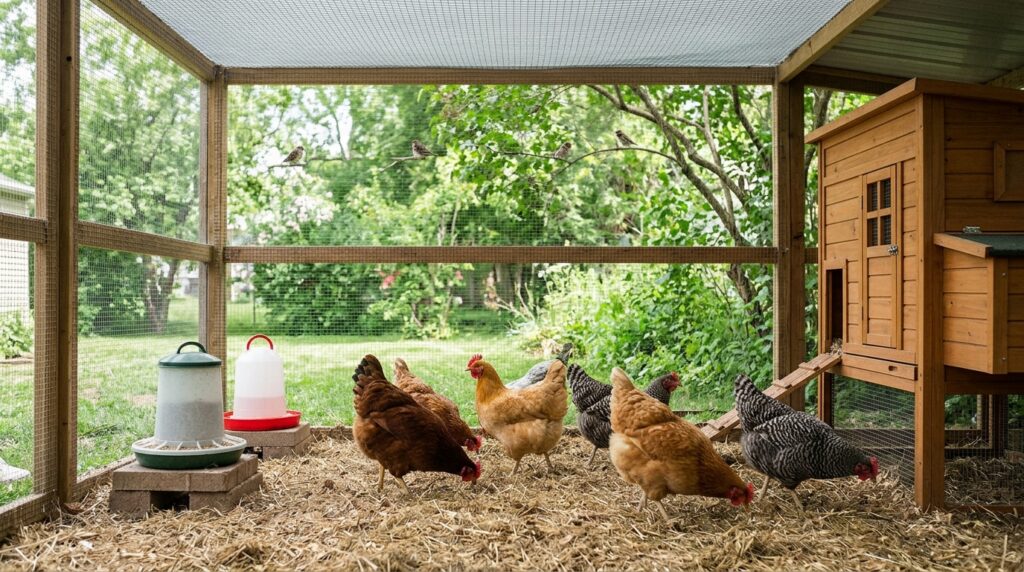
Watching chickens scratch around the yard while wild birds visit nearby trees can make a backyard feel like a little piece of countryside. But there is one important concern chicken owners should not overlook: wild birds can introduce avian influenza, commonly known as bird flu, into domestic poultry areas.
Some wild birds, including ducks, geese, and gulls, can carry avian influenza viruses without showing obvious signs of illness. They may contaminate the environment through droppings, which can reach chicken feed, water, soil, and equipment.
The solution is not to eliminate every wild bird from your neighborhood. Instead, focus on creating a safer boundary between wild birds and your backyard flock.
With a few practical changes to your coop, run, feeding routine, and cleaning habits, you can reduce opportunities for disease exposure while still enjoying backyard poultry keeping.
1. Understand the Risk of Contact Between Wild Birds and Chickens
Wild birds can expose backyard chickens to avian influenza directly or through contaminated environments.
Common risk situations include:
- Wild birds entering an uncovered chicken run.
- Chickens drinking from puddles or ponds visited by wild waterfowl.
- Droppings landing in uncovered feeders or water containers.
- Wild birds eating spilled chicken feed.
- Contaminated soil, footwear, or equipment being carried into the coop.
The risk is not limited to direct contact. A chicken does not necessarily need to touch an infected wild bird to encounter contaminated material.
This is why good biosecurity focuses on both separating birds and keeping the poultry environment clean. USDA-APHIS Defend the Flock+2
2. Build a Covered and Protected Chicken Run
A physical barrier can help reduce unwanted contact.
One of the most practical ways to protect backyard chickens is to provide an enclosed run that limits access by wild birds.
Consider these improvements:
- Install suitable overhead netting or roofing.
- Cover openings where wild birds can enter.
- Repair damaged screens and gaps regularly.
- Keep feeders and waterers underneath a protected section.
- Check the enclosure after storms for damage.
- Make sure chickens still have adequate ventilation and protection from heat.
A covered run does not need to be elaborate. Even a modest enclosure can help reduce exposure when designed and maintained properly.
Choose durable materials that suit your local weather. Netting should be securely installed and inspected so it does not sag, trap wildlife, or create hazards for your chickens.
3. Stop Attracting Wild Birds With Chicken Feed
An easy-to-miss problem is spilled feed.
Wild birds may visit a backyard because chicken feed provides an easy meal. Once they become regular visitors, they may spend more time around your flock.
Try these habits:
- Feed chickens inside an enclosed area whenever possible.
- Clean up spilled grains and pellets promptly.
- Use feeders that reduce scattering.
- Store feed in tightly closed, wildlife-resistant containers.
- Avoid leaving leftover feed outdoors overnight.
- Do not intentionally feed wild birds near the chicken run.
Also check for rodents. Feed spills can attract rats and mice, which create additional hygiene and biosecurity concerns.
The goal is to make the chicken area less attractive to wildlife without restricting your flock’s access to adequate food. USDA-APHIS Defend the Flock+1
4. Protect Chicken Water From Wild Bird Contamination
Water is another important part of backyard biosecurity.
Open containers can collect droppings, feathers, dirt, and other contaminants. Puddles and standing water may also attract wild birds.
Practical improvements include:
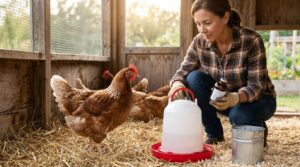
- Place waterers inside a covered run.
- Use containers that limit access by wild birds.
- Replace dirty water regularly.
- Clean water containers frequently.
- Repair leaking pipes and water systems.
- Prevent chickens from drinking from outdoor ponds or puddles that wild birds may use.
Do not use untreated surface water, such as water collected from ponds or streams, for poultry drinking or cleaning poultry facilities.
If water becomes contaminated with droppings, remove it safely, clean the container, and refill it with clean water. USDA-APHIS Defend the Flock+1
5. Keep Wild Birds Away Without Harming Them
You do not need to harm wild birds to protect your chickens.
Instead, focus on changing the environment around the coop.
Possible measures include:
- Covering feed and water.
- Installing appropriate mesh or netting.
- Removing food scraps and fallen fruit.
- Keeping garbage bins closed.
- Reducing unnecessary standing water.
- Maintaining screens and openings around poultry housing.
If you use visual deterrents, move them occasionally. Birds can become accustomed to stationary scare devices.
Avoid handling wild birds, nests, or eggs. Wildlife protection rules vary by location, and some species are legally protected. If wildlife management becomes necessary, seek advice from the appropriate local authority. USDA-APHIS Defend the Flock+1
6. Create a Clean Entry Routine for the Coop
Wild birds are not the only possible source of contamination. People can unintentionally carry contaminated material into poultry areas on their shoes, clothing, hands, and equipment.
Create a simple entry routine:
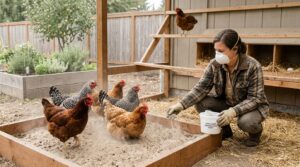
- Keep dedicated boots or washable shoes near the coop.
- Remove visible mud, manure, and dirt before disinfecting footwear.
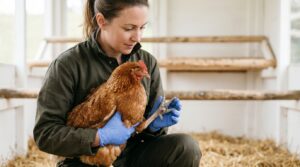
- Wash your hands before and after handling poultry.
- Keep coop tools separate from household and garden equipment.
- Clean and disinfect shared equipment before bringing it into the poultry area.
- Limit visitors, especially people who recently visited other poultry farms or bird gatherings.
Remember that disinfectant works best after visible organic material has been removed. Follow the manufacturer’s instructions for dilution and contact time. A footbath filled with dirty water or manure is not a reliable substitute for cleaning footwear.
These habits are simple, inexpensive, and useful for preventing several poultry diseases, not just avian influenza. USDA-APHIS+1
7. Separate New Chickens and Different Bird Groups
Bringing home new chickens can introduce disease into an established flock, even when the birds look healthy.
Keep new or returning birds physically separate before introducing them. A quarantine period of at least 30 days is commonly recommended by some poultry extension services, but ask your local veterinarian about the appropriate approach for your area.
During quarantine:
- Use separate feeders and waterers.
- Keep separate cleaning equipment and footwear.
- Avoid direct contact between the new birds and your established flock.
- Watch for changes in appetite, breathing, droppings, and activity.
- Care for your established flock before caring for the quarantined birds.
If you keep chickens, ducks, geese, or other poultry species, consider separate housing and feeding areas. Different species can have different disease risks, and waterfowl may carry some avian influenza viruses without obvious illness.
Quarantine reduces risk, but it does not guarantee that a bird is disease-free. UMN Extension+1
8. Watch for Signs of Avian Influenza
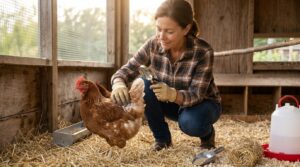
Healthy chickens are generally active, alert, interested in food, and behaving normally for their age and breed.
Pay attention to unusual changes, including:
- Sudden or unexplained deaths.
- Reduced appetite or water consumption.
- Unusual tiredness or ruffled feathers.
- Coughing, sneezing, or difficulty breathing.
- Discharge from the eyes or nose.
- Diarrhea.
- Swelling around the head, eyes, or neck.
- Purple discoloration of the comb, wattles, or legs.
- A sudden drop in egg production.
These symptoms do not automatically mean bird flu. Other poultry diseases can cause similar problems, and only appropriate veterinary testing can confirm avian influenza.
Do not wait for several birds to become sick before seeking advice. Sudden deaths or rapidly increasing illness in a flock deserve prompt attention. Animal and Plant Health Inspection Service+1
9. What to Do if You Find a Sick or Dead Wild Bird
Finding a dead wild bird in your yard can be concerning, particularly if your chickens roam nearby.
Take these precautions:
- Keep children, pets, and chickens away from the bird.
- Do not touch it with bare hands.
- Do not move it into the coop or place it near poultry.
- Contact your local wildlife, veterinary, or animal-health authority for instructions.
- Follow official guidance about reporting, collection, and disposal.
If you suspect your chickens have been exposed or become ill, avoid moving birds, eggs, equipment, or litter to other properties until you receive advice.
Do not attempt to collect samples or dispose of suspected infected birds yourself unless instructed by the relevant authority.
10. Protect the People Who Care for the Chickens
Avian influenza is primarily a concern for bird health, but some strains can infect people, especially after close, unprotected contact with infected birds or contaminated environments.
Reduce unnecessary exposure by:
- Washing hands with soap and water after handling poultry.
- Keeping poultry equipment outside food-preparation areas.
- Avoiding direct contact with sick or dead birds.
- Wearing appropriate personal protective equipment (PPE) if contact with potentially infected birds cannot be avoided.
- Avoiding activities that stir up dust, feathers, and droppings in a suspected contaminated area.
If you develop flu-like symptoms or eye irritation after possible exposure to infected birds, contact a healthcare professional or public-health authority and explain the exposure. CDC+2
11. A Simple Backyard Bird Flu Prevention Checklist
Use this checklist to make biosecurity part of your everyday chicken-keeping routine.
| Task | What to do |
|---|---|
| Coop protection | Check roofs, screens, and netting for gaps |
| Feed | Keep covered and clean up spills |
| Water | Use clean, protected water containers |
| Wild birds | Reduce access to the chicken run |
| Footwear | Use dedicated coop boots |
| Equipment | Clean and disinfect regularly |
| New birds | Quarantine before introduction |
| Flock health | Monitor appetite, behavior, and egg production |
| Visitors | Limit unnecessary access |
| Local alerts | Follow animal-health advisories |
You do not have to complete a complicated inspection every day. A short, consistent routine is more useful than a perfect plan that is difficult to maintain.
Final Thoughts 🥚
Protecting backyard chickens from avian influenza does not mean eliminating every wild bird from your surroundings. It means reducing the opportunities for wild birds, contaminated materials, and domestic poultry to come into contact.
Start with the basics: cover the chicken run, protect feed and water, clean up spills, use dedicated footwear, and monitor your flock every day.
These habits cannot guarantee complete protection, but they can make your backyard poultry setup safer and better prepared.
If bird flu is suspected, contact your local veterinarian or animal-health authority promptly. Follow local reporting and prevention guidance because recommendations and outbreak risks vary by location.