You’ve probably raised chickens, or at least thought about it. But quail? These tiny birds are the hidden gem of homesteading, offering speed, nutrition, and flexibility that chickens simply can’t match. Whether you live in a suburban backyard or an apartment balcony, quail can fit into your life in surprising ways. Here are ten unexpected advantages that make quail the perfect first step into poultry for anyone craving something new.
Speed from Hatch to Harvest
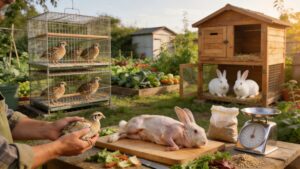
The most jaw‑dropping advantage of raising quail is their growth rate. Coturnix quail hatch ready to run, and within six weeks they reach full butcher weight. Compare that to chickens, which take 12–20 weeks, or even meat rabbits at 8–10 weeks. This speed isn’t just impressive—it’s a game changer for beginners who want to see results fast.
Butchering quail is also remarkably easy. Their small size means you can process a bird in under two minutes. No plucking machines, no scalding tanks—just a sharp knife, a quick cut, and the skin peels off like a jacket. “The first time I butchered a quail, I was done before my wife finished boiling water for a chicken,” says Ryan, a backyard farmer in Texas. For anyone nervous about home processing, quail offer a low‑stress entry point.
Practical Tip for Beginners
Start with 10–15 hatching eggs or day‑old chicks. In 45 days you’ll have your first batch of fryers. Use a simple cone for slaughter, and freeze the meat in vacuum bags—it stays tender for months.
Tiny Footprint, Big Rewards
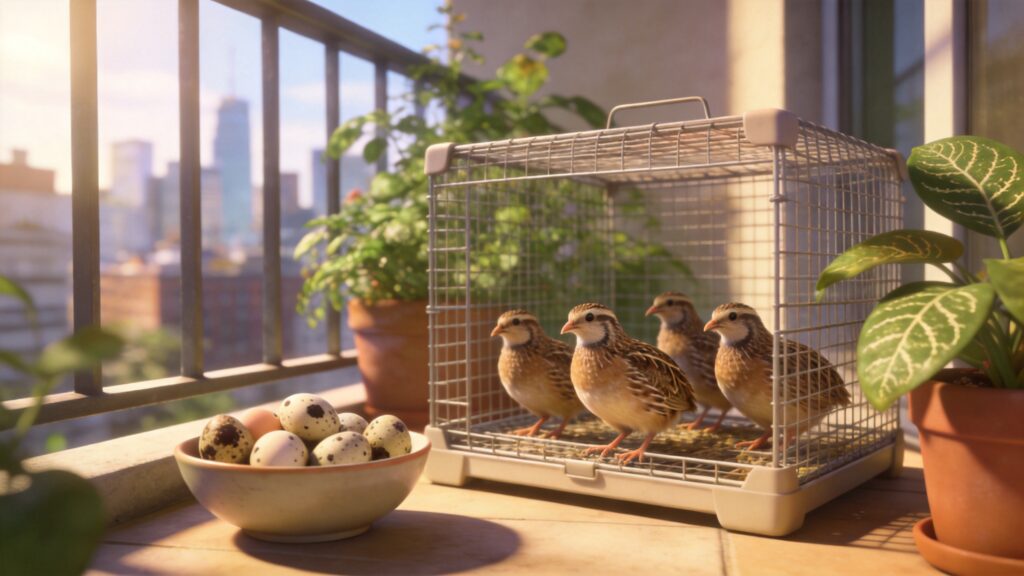
Quail require far less space than any other poultry. A single quail needs about 1 square foot of floor space. A colony of 20 birds can thrive in a 2×3‑foot cage that fits on a patio table. This makes them ideal for apartments, townhouses, or urban backyards where noise and space are concerns.
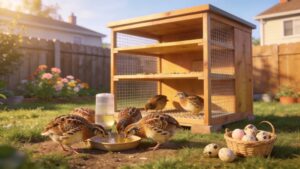
Portability is another hidden perk. Their cages are lightweight and easy to move. You can rotate them over a garden bed for natural pest control and fertilization, then bring them inside during extreme weather. “I keep my quail in a custom PVC cage that I carry by myself. Every weekend they graze on fresh grass in a different part of the yard,” shares Linda, a quail keeper in Seattle. This mobility also simplifies cleaning—just slide out the tray or swap the bedding.
“I never thought I could keep livestock in my 500‑square‑foot apartment. But quail changed everything. They’re quiet, the cage fits in my laundry room, and the eggs are incredible.” — Mark, urban homesteader
The Nutritional Powerhouse in a Speckled Shell
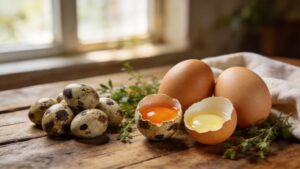
Quail eggs are nutritionally denser than chicken eggs, with higher levels of protein, iron, B vitamins, and selenium. They’re also lower in cholesterol per gram of yolk than you’d expect, and many people with egg allergies tolerate quail eggs well. Below is a quick comparison per 100 grams of egg (raw):
| Nutrient | Quail Egg | Chicken Egg |
|---|---|---|
| Protein | 13.1 g | 12.6 g |
| Iron | 3.6 mg | 1.8 mg |
| Vitamin B12 | 1.6 µg | 1.1 µg |
| Selenium | 32 µg | 30 µg |
| Calories | 158 | 155 |
Note: Values from USDA FoodData Central. The flavor is richer and slightly gamey—perfect for pickling, soft‑boiling, or adding to ramen. A single quail lays about 300 eggs per year, so a flock of ten birds gives you a steady supply of gourmet nutrition.
Quiet, Clean, and Low‑Maintenance
Unlike chickens that crow at dawn, quail make soft cooing sounds. A male quail’s call is barely louder than a house cat’s meow. This means no noise complaints from neighbors—a huge relief for suburban and urban keepers. Furthermore, quail produce less smell than chickens because their droppings are smaller and drier. With a simple wire cage or a deep‑litter system, you can go up to a week between cleanings.
Disease resistance is another underrated benefit. Quail are remarkably hardy; they rarely get common poultry diseases like coccidiosis or Marek’s virus. Of course, good hygiene is still essential, but beginners will find quail much more forgiving than chickens. “I lost my entire chicken flock to avian flu, but my quail in the adjacent coop stayed perfectly healthy,” reports a homesteader in Oregon.
A Quick Checklist for Low‑Maintenance Success
- Use a wire floor with a dropping tray—prevents odor and parasite buildup.
- Provide fresh water twice daily (quail are messy drinkers).
- Feed a 20% protein game bird feed (or starter/grower for meat birds).
- Give 14–16 hours of light per day for consistent egg production.
Profitability and Breeding Potential
Quail offer an incredible return on investment. A single hen lays eggs worth about $5–$10 per dozen at farmers’ markets or direct to customers. Meat sells for $3–$5 per bird. A small flock of 20 hens can generate over $1,000 annually with minimal inputs. But the real surprise is breeding speed: quail reach sexual maturity in 6–8 weeks, and a single rooster can fertilize up to five hens. You can scalably produce your own replacement stock without buying chicks again.
If you’re looking to sell, consider hatching eggs. Quail eggs incubate in just 17 days, and fertile eggs often sell for $1–$2 each online. With a small incubator (under $100), you can turn a quick profit. Just be aware of local regulations—most towns allow quail without permits because they’re considered “exotic” or “game birds.”
- Meat production: Process at 6–8 weeks. Dress weight is about 4–6 oz per bird—perfect for one serving.
- Egg production: Keep hens for 18–24 months, then replace. Older hens make excellent soup stock.
- Breeding stock: Select the largest, fastest‑growing birds and breed them. Genetics improve quickly.
Practical Tips for Getting Started
Don’t overthink the setup. A simple rabbit cage or a wire quail hutch works fine. Place it in a spot protected from wind and direct rain, but with good ventilation. Use a heat lamp only for the first two weeks if you start with chicks. Provide a shallow dish of fine sand for dust baths—it helps keep feathers clean and reduces mites.
Feed is straightforward: a high‑protein game bird feed (20–24% protein) for layers, or a starter/grower for meat birds. Supplement with leafy greens, mealworms, or kitchen scraps (avoid avocado, chocolate, and salty foods). Water is critical—use a small chick waterer with marbles to prevent drowning.
“The biggest mistake beginners make is using chicken equipment for quail. Quail are smaller and need smaller feeders, lower perches, and finer grit. Once you adjust, they practically raise themselves.” — Sarah, author of Quail for the Urban Homestead
Common Pitfalls to Avoid
- Don’t overcrowd—1 square foot per bird is the absolute minimum.
- Don’t keep multiple males together without at least 3–4 females each—they fight.
- Don’t use open water bowls—quail poop in them and can drown.
- Don’t forget to provide calcium (crushed oyster shells) for laying hens.
Conclusion
Quail farming isn’t just a novelty—it’s a practical, nutritious, and profitable venture that fits into nearly any lifestyle. From lightning‑fast maturity to space‑saving portability and a nutrient‑dense egg, these birds deliver surprising advantages that even seasoned chicken keepers envy. If you’re ready to try something new, start with a dozen quail. Six weeks later, you’ll wonder why you waited.