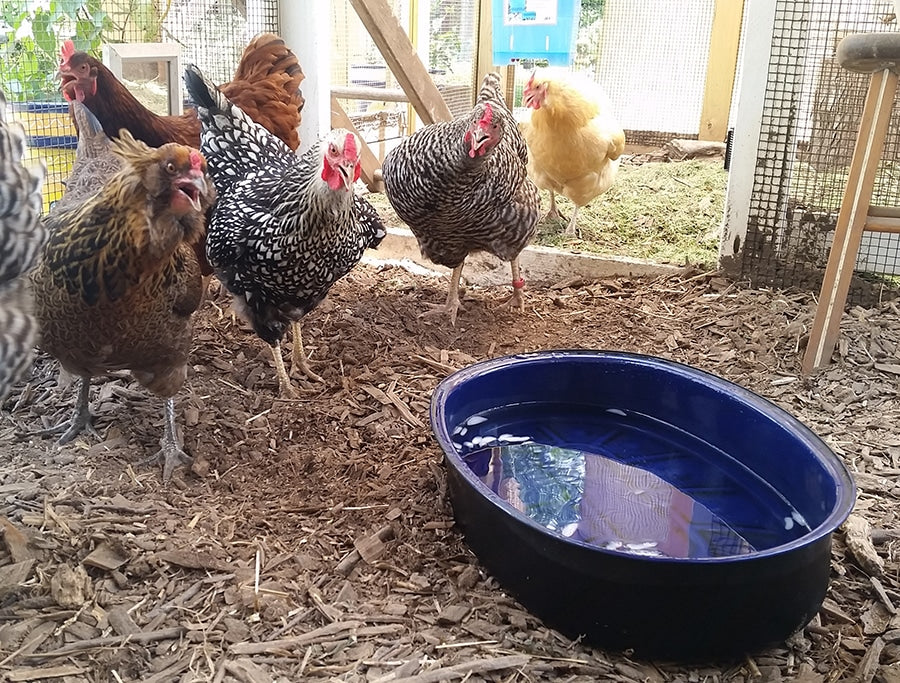
Winter can be one of the most challenging seasons for backyard chicken keepers, especially in northern parts of the United States where freezing temperatures, snow, ice, and strong winds can last for weeks or even months.
Preparing a chicken coop for winter does not simply mean closing every opening and adding as much insulation as possible. In fact, one of the biggest mistakes beginners make is creating a coop that is warm but poorly ventilated.
Chickens can tolerate surprisingly cold temperatures when they are healthy, dry, protected from direct drafts, and given appropriate shelter. The goal of winter chicken coop preparation is therefore to create a dry, well-ventilated, draft-protected environment, rather than trying to turn the coop into a heated room.
Here is how to prepare a backyard chicken coop for winter.
Does a Chicken Coop Need to Be Heated?
For many healthy adult chickens, supplemental heating is not automatically necessary simply because temperatures drop below freezing.
Chickens have feathers that provide significant insulation, and they naturally fluff their feathers to trap warm air around their bodies. They also sleep together on roosts, which helps them conserve body heat.
The need for additional heat depends on several factors, including:
- Chicken breed
- Age
- Health
- Coop design
- Local climate
- Wind exposure
- Moisture levels
- Availability of food and water
Very young chicks, sick birds, elderly chickens, or chickens with other special needs may require different management.
For a typical flock of healthy adult chickens, improving the coop’s structure and reducing moisture may be more important than installing a heater.
Heating equipment can also introduce fire and electrical hazards, particularly in a coop containing dry bedding, feathers, and dust.
Winterize the Chicken Coop Before the First Freeze
Do not wait for the first major snowstorm to prepare the coop.
Start winterizing before temperatures become consistently cold.
Inspect the entire structure for:
- Roof leaks
- Cracks
- Broken boards
- Gaps around doors
- Loose windows
- Damaged hardware cloth
- Weak latches
- Water leaks
- Drafty areas at roost level
Repair structural problems before adding insulation or bedding.
Pay particular attention to the roof. A small leak can become a major winter problem when snow or freezing rain accumulates.
Insulation vs. Ventilation
Insulation and ventilation are both important, but they solve different problems.
Insulation helps slow heat loss.
Ventilation helps remove moisture and stale air.
A common mistake is to treat them as opposites.
A well-designed winter coop can have insulated walls while still providing controlled ventilation near the upper portions of the structure.
The goal is to allow humid air to escape without creating a strong stream of cold air directly across the chickens while they sleep.
Why Ventilation Still Matters in Winter
A closed-up coop may initially seem warmer, but chickens produce moisture every time they breathe, and manure also contributes moisture.
If humid air cannot escape, condensation can develop inside the coop.
That moisture can accumulate on walls, windows, and other surfaces. Wet feathers are less effective at providing insulation than dry feathers, and persistent dampness can make winter conditions much harder on the flock.
Look for signs of poor winter ventilation such as:
- Condensation on windows
- Damp bedding
- Strong ammonia odors
- Wet walls
- Excessive humidity
- Frost forming on interior surfaces
Ventilation should remove moisture while avoiding direct drafts at the roost.
Drafts Are Different From Ventilation
This distinction is especially important for winter chicken keeping.
A draft is moving air directly across the chickens, particularly while they are resting.
Ventilation is controlled air exchange that removes moisture and stale air.
You want the second without creating the first.
Roost placement matters here. If chickens are sleeping directly beside an opening where cold air blows through, moving the roost or modifying the opening may be more effective than completely sealing the coop.
Preventing Frostbite
Frostbite becomes a concern when chickens are exposed to prolonged cold conditions, especially when moisture and poor ventilation are involved.
Large, exposed combs and wattles can be more vulnerable than smaller comb types.
Keeping the coop dry is therefore an important part of winter management.
Avoid allowing condensation to build up around sleeping areas. Maintain appropriate ventilation and replace wet bedding.
The goal is not simply to raise the temperature inside the coop. Instead, create a dry environment where chickens can naturally maintain their body temperature.
Choose the Right Winter Bedding
Dry bedding provides a comfortable surface and can help chickens stay insulated from the floor.
Common bedding options include materials such as pine shavings or straw, depending on your management system.
The most important characteristic is that the bedding remains reasonably dry.
Remove areas that become wet from spilled water or excessive manure accumulation.
Some backyard keepers use the deep litter method during winter. Rather than completely removing all bedding frequently, they maintain a deeper layer and add fresh dry material as needed.
Deep litter can be useful, but it is not a substitute for moisture management. If the bedding becomes wet or develops strong odors, the system needs attention.
Keep Chicken Water From Freezing
Frozen water can become one of the most frustrating winter problems.
Chickens need consistent access to fresh drinking water, so checking the waterer should become part of the winter routine.
Depending on your climate and coop setup, options may include:
- Using a heated poultry waterer
- Using a properly designed heated base
- Rotating waterers
- Checking water several times a day
- Positioning water away from extreme wind exposure
If you use electrical equipment, follow the manufacturer’s instructions carefully and keep cords away from water, bedding, and areas where chickens can peck or damage them.
Never improvise electrical heating solutions inside a chicken coop.
Protect the Coop From Snow and Wind
Snow itself is not necessarily the biggest problem. Moisture, wind, and exposure are often more important.
Make sure snow cannot block ventilation openings completely.
At the same time, protect doors, windows, and other openings from strong winter winds.
A covered run can be useful because it gives chickens an area where they can leave the coop without standing directly in deep snow or freezing rain.
Some chickens will happily walk through snow. Others strongly dislike it.
Providing a dry, sheltered outdoor area allows chickens to choose whether they want to venture outside.
Should Chickens Go Outside in Winter?
Healthy chickens can often spend time outdoors during cold weather if conditions are safe.
However, chickens should have access to shelter from:
- Strong winds
- Freezing rain
- Heavy snow
- Wet conditions
A covered run can make winter management much easier.
If the ground is covered in snow, provide a protected area where the flock can walk without being exposed to constantly wet or icy conditions.
What About Winter Lighting?
Short winter days can affect egg production because chickens respond to changes in daylight.
Some backyard keepers use supplemental lighting to maintain a more consistent laying schedule. Others allow production to decrease naturally during winter.
If supplemental lighting is used, it should be planned carefully rather than simply leaving a bright light on continuously.
Chickens need a consistent dark period for normal rest.
Lighting decisions should therefore be part of an overall flock-management plan rather than an attempt to make winter look like summer.
Choose Cold-Hardy Breeds
Coop design and breed selection work together.
Some chicken breeds are generally considered more cold-hardy because of their body size, feathering, or smaller combs.
However, even a cold-hardy breed still needs a dry and secure environment.
Breed hardiness does not eliminate the need for:
- Dry bedding
- Proper ventilation
- Predator protection
- Unfrozen water
- Protection from severe weather
If you live in a region with harsh winters, consider cold tolerance when choosing future additions to your flock.
Winter Chicken Coop Checklist
Before winter arrives, check the following:
- Repair roof leaks.
- Inspect doors and windows.
- Secure weak areas.
- Check ventilation openings.
- Make sure roosts are away from direct drafts.
- Keep bedding dry.
- Prepare a plan for frozen water.
- Protect the run from excessive snow and rain.
- Store feed securely.
- Inspect the coop for rodents.
- Check chickens regularly for signs of cold stress or frostbite.
- Avoid unnecessary heating risks.
Final Thoughts
Preparing a chicken coop for winter is less about making it hot and more about making it dry, secure, ventilated, and protected from direct wind.
Healthy adult chickens can often handle cold weather surprisingly well when they have appropriate shelter and enough food and water. Problems are more likely to develop when cold temperatures combine with moisture, drafts, poor ventilation, frozen water, or inadequate protection from severe weather.
Instead of completely sealing the coop, focus on controlled ventilation. Instead of automatically installing a heater, first inspect insulation, bedding, moisture, and roost placement.
A successful winter chicken coop gives the flock a place to stay dry, sleep safely, drink unfrozen water, and escape severe weather while still allowing fresh air to circulate.
For backyard chicken keepers in cold parts of the United States, good winter preparation is ultimately about managing moisture and exposure—not simply maximizing indoor temperature.