Summer heat can be more dangerous for backyard chickens than many new chicken keepers realize. Chickens naturally carry a layer of feathers, which is useful in cold weather but makes it more difficult for them to release body heat during hot weather.
When temperatures rise, a chicken coop can become significantly hotter than the surrounding yard, especially if it has a dark roof, poor ventilation, direct afternoon sun, or too many chickens packed into a small space.
The goal of summer chicken coop management is not to make the coop cold. Instead, you want to reduce heat buildup, provide shade, improve airflow, and make sure chickens always have access to fresh water.
Here is how to prepare a backyard chicken coop for hot weather.
Why Do Chickens Overheat?
Chickens do not sweat like humans.
Instead, they rely heavily on behaviors such as panting, drinking more water, seeking shade, and holding their wings away from their bodies to help release heat.
Their feathers also make heat management more difficult.
A chicken can tolerate warm weather when it has shade, water, airflow, and enough space to move away from other birds. Problems become more likely when high temperatures combine with humidity, direct sunlight, overcrowding, and stagnant air.
This is why the design of the chicken coop and run matters so much during summer.
Ventilation Is the First Line of Defense
One of the most important ways to cool a chicken coop is to improve ventilation.
Hot air rises, so a well-designed coop should give warm air a way to escape while allowing cooler fresh air to enter.
During summer, ventilation can often be more extensive than during winter.
Windows, vents, screened openings, and other airflow paths can help prevent hot air from becoming trapped inside the coop.
However, openings should still be protected with predator-resistant mesh.
Simply cutting large holes in the wall is not a complete ventilation solution if raccoons, foxes, snakes, or other animals can enter through them.
Use Windows Strategically
Windows can provide both light and ventilation.
During hot weather, windows positioned on opposite or different sides of the coop can encourage cross ventilation.
If the design allows air to move through the structure rather than entering and stopping immediately, heat can escape more effectively.
Screened windows are particularly useful because they allow airflow while keeping insects and predators out.
In extremely hot weather, opening windows early in the morning can help release accumulated heat before temperatures peak.
Add Roof Vents
The roof is one of the hottest parts of many chicken coops.
Sunlight can heat the roofing material, and that heat can transfer into the coop below.
Roof vents or high wall vents can help hot air escape.
This is especially useful because warm air naturally rises.
The key is to combine high-level exhaust openings with lower-level air entry points so that fresh air can circulate through the coop.
Avoid blocking ventilation openings with insulation, bedding, or stored equipment.
Shade Can Make a Huge Difference
Direct sunlight can quickly raise the temperature inside a small chicken coop.
The simplest solution is often shade.
Look at where the sun hits the coop during the hottest part of the day. Morning shade is helpful, but afternoon shade can be particularly important because temperatures are often highest later in the day.
Possible sources of shade include:
- Shade trees
- Shade cloth
- Covered runs
- Roof overhangs
- Outdoor shelters
- Strategically placed structures
Do not rely solely on shade inside the coop. Chickens should also have access to shaded areas in the run so they can move away from direct sunlight.
Think About Coop Orientation
When building or repositioning a coop, consider how the sun moves across your property.
A coop that receives strong afternoon sunlight through a large window can become much hotter than one protected from direct exposure.
The surrounding landscape matters too.
A tree, fence, building, or shade structure can reduce solar exposure without blocking necessary airflow.
However, do not position the coop so tightly against another structure that ventilation becomes restricted.
The goal is a balance between shade and airflow.
Does Insulation Help in Summer?
Insulation is usually associated with winter, but it can also be useful in hot climates.
The basic principle is simple: insulation can slow the transfer of heat through the walls and roof.
However, insulation does not remove heat by itself.
A poorly ventilated, heavily insulated coop can still become extremely hot if hot air has nowhere to escape.
For summer performance, insulation works best as part of a larger system that includes shade, reflective roofing or appropriate roofing design, and good ventilation.
Think of insulation as slowing heat transfer rather than actively cooling the coop.
Should You Use a Fan?
A fan can be useful during very hot weather, particularly when natural airflow is insufficient.
Fans increase air movement, which can help chickens lose heat through evaporative cooling.
However, a fan should be installed safely.
Keep electrical cords protected from chickens, water, and pecking. Avoid placing electrical equipment where it can become wet or covered with bedding and dust.
Fans also do not replace ventilation.
A fan moving hot air around inside a closed coop is less useful than a system that allows hot air to escape and fresh air to enter.
For some setups, a fan near a screened opening can help move hot air out of the structure.
Fresh Water Is Essential
Water becomes especially important during hot weather.
Chickens may drink considerably more when temperatures rise, so check water availability frequently.
Provide clean, fresh water throughout the day and make sure the water source remains shaded whenever possible.
A waterer sitting in direct summer sunlight can become unnecessarily warm.
Depending on your setup, you may want more than one water station so that dominant chickens cannot prevent other birds from accessing water.
Clean waterers regularly because algae, dirt, feed, and bedding can contaminate them.
Can Chickens Have Frozen Treats?
Cold foods can be a useful enrichment option during hot weather.
You can offer appropriate chicken-safe foods chilled or frozen, such as small portions of suitable fruits and vegetables.
Some keepers freeze treats in water so chickens can peck at them gradually.
The important point is moderation.
Treats should not replace a nutritionally complete chicken feed. They are an optional way to encourage hydration and provide enrichment during hot weather.
Avoid Overcrowding
Overcrowding makes heat management harder.
Every chicken contributes body heat, and a crowded coop provides fewer opportunities for individual birds to move away from one another.
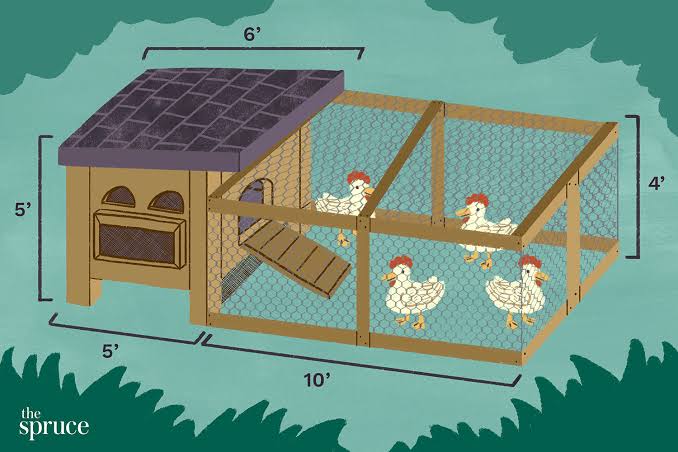
If chickens have access to a larger shaded run, they may spend less time packed inside the coop during the hottest part of the day.
When designing a coop, consider both indoor sleeping space and outdoor summer space.
More usable space can make it easier for birds to spread out.
Recognizing Heat Stress in Chickens
Knowing the warning signs is essential.
A hot chicken may begin:
- Panting
- Holding its wings away from its body
- Seeking shade
- Drinking more frequently
- Becoming unusually inactive
- Standing with its beak open
- Moving away from other chickens
Severe heat stress can become an emergency.
If a chicken appears weak, unable to stand normally, extremely lethargic, or otherwise seriously affected by heat, move it to a cooler, shaded environment and seek veterinary guidance promptly.
Do not wait until a bird collapses before taking heat protection seriously.
Keep the Run Cool Too
Cooling the coop is only half the job.
The outdoor run can become extremely hot if it is exposed to full sun.
Create multiple shaded areas where chickens can move throughout the day.
Natural vegetation can provide shade, while shade cloth can be useful when trees are unavailable.
A covered section of the run can also protect chickens from both intense sunlight and sudden summer rain.
Make sure shaded areas still have adequate airflow.
Summer Chicken Coop Checklist
Before the hottest part of summer arrives, check:
- Are ventilation openings unobstructed?
- Can hot air escape near the roof?
- Does the coop receive afternoon sun?
- Is there shade over the run?
- Is drinking water always available?
- Are waterers protected from direct sunlight?
- Is the flock overcrowded?
- Can chickens spread out?
- Are fans installed safely if needed?
- Are windows protected with predator-resistant mesh?
- Is the bedding dry and clean?
- Can you recognize signs of heat stress?
Final Thoughts
A cool summer chicken coop does not need air conditioning. It needs airflow, shade, water, space, and good design.
Start by allowing hot air to escape. Add screened windows or vents, use roof-level ventilation, and prevent the coop from becoming a sealed box. Then reduce solar heat with shade, thoughtful coop orientation, and appropriate roofing and insulation.
Make fresh water a priority and give chickens enough shaded space to spread out during the hottest hours.
Most importantly, watch the birds themselves. Chickens will often tell you when conditions are becoming uncomfortable through their behavior. Panting, wing spreading, excessive drinking, and constant shade-seeking are signals that your flock needs relief.
The best summer chicken coop is not the one that stays cold. It is the one that prevents heat from building up and gives chickens multiple ways to escape the heat when temperatures rise.