If your main reason for keeping chickens is fresh eggs, choosing the right breed can make your backyard flock much more productive and enjoyable. While almost any healthy hen can lay eggs, breeds differ significantly in production, temperament, egg color, body size, foraging behavior, and how well they fit different backyard environments.
For a small homestead, the goal is not necessarily to find the chicken that lays the absolute most eggs. A better approach is to choose a breed that matches your household’s egg needs, available space, climate, and preferred temperament.
Here are several popular egg-laying breeds worth considering.
1. Leghorn: The High-Production Specialist
When people think about prolific egg layers, the Leghorn often comes to mind.
Leghorns are active, alert chickens that have been widely used in commercial egg production. White Leghorns are particularly well known for producing large numbers of white eggs.
Their biggest advantage is efficiency. They are relatively lightweight birds that can produce plenty of eggs without requiring the body size or feed consumption of some larger breeds.
However, Leghorns are not usually the first choice for someone looking for a cuddly backyard pet. They tend to be energetic and independent. They are excellent foragers and can be somewhat flighty compared with calmer breeds.
If your priority is egg production and feed efficiency, Leghorns deserve serious consideration.
2. Australorp: A Balanced Backyard Choice
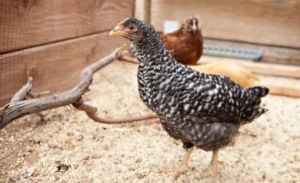
The Australorp is popular with backyard keepers because it combines strong egg production with a generally calm temperament.
Australorps typically lay brown eggs and are known as productive layers. Their black feathers have a distinctive greenish sheen in sunlight, although other color varieties also exist.
For a homestead, their balance is particularly useful. You may want plenty of eggs without having a flock that is difficult to handle.
Australorps can also adapt well to backyard environments when provided with appropriate housing, nutrition, and protection from predators.
They are worth considering if your goal is not simply maximum egg numbers but a combination of production, temperament, and practicality.
3. Rhode Island Red: Productive and Hardy
The Rhode Island Red is one of the classic American backyard chicken breeds.
These birds are generally recognized for producing brown eggs and for being hardy, adaptable chickens. They can be useful for homesteaders who want a productive flock that can handle a variety of conditions.
Rhode Island Reds are also commonly considered a dual-purpose breed, meaning they have traditionally been valued for both eggs and meat. Modern strains can differ considerably, so production and temperament may vary between hatcheries and breeding lines.
For backyard keepers, their adaptability is one of their major attractions.
If you want a practical flock that produces eggs without focusing exclusively on exhibition characteristics, Rhode Island Reds are a breed worth researching.
4. Easter Egger: Choose Color as Well as Production
If you want your egg basket to look more interesting, consider Easter Eggers.
Easter Egger is not a standardized breed in the same way as breeds such as Leghorns or Rhode Island Reds. These chickens generally carry genetics associated with blue or green egg production, often through ancestry involving Araucana or Ameraucana-type birds.
The exciting part is that egg color can vary from bird to bird. You may see blue, green, olive, or other shades depending on the genetics of the individual hen.
Egg production can also vary because Easter Eggers are not a single standardized breed with identical characteristics.
For backyard families, however, their combination of colorful eggs, interesting appearance, and generally useful production makes them popular.
If your goal is fresh eggs with variety, Easter Eggers can add something special to your flock.
How Many Hens Do You Need?
Before choosing a breed, determine how many eggs your household actually needs.
Suppose your household eats about a dozen eggs per week. You do not necessarily need a large flock. Several productive hens may provide a comfortable supply, although production changes with age, season, health, daylight, and individual genetics.
If your household eats two dozen eggs per week, you will need to plan for a larger flock or accept that you will occasionally supplement your supply with store-bought eggs.
Remember that hens do not maintain maximum production indefinitely. Young hens generally have their strongest laying period, while production typically decreases as they age.
It is therefore better to plan around realistic long-term production rather than assuming every hen will produce an egg every day.
Egg Color Is Not the Same as Egg Quality
New chicken keepers sometimes assume that brown, blue, or green eggs are nutritionally superior to white eggs.
The shell color itself does not determine the basic nutritional quality of the egg. Egg quality is influenced by factors such as the hen’s health, diet, freshness, and storage.
The main difference between breeds is often simply the color and appearance of the shell.
That means choosing Easter Eggers for green or blue eggs is primarily an aesthetic and enjoyment decision rather than a nutritional one.
Consider Temperament Before Choosing a Breed
Egg production matters, but temperament can have a major effect on your daily experience.
A highly productive hen that is difficult to handle may not be ideal for a family that wants friendly backyard pets.
Australorps and Orpingtons are often considered relatively calm options. Leghorns tend to be more active. Rhode Island Reds can be confident and energetic.
Individual birds vary, so breed descriptions should be treated as general tendencies rather than guarantees.
If children will help collect eggs or care for the flock, choosing generally manageable birds can make the experience easier.
Feed Requirements Matter Too
A productive hen needs adequate nutrition to maintain both her body and egg production.
Commercial layer feed is typically formulated to provide the nutrients mature laying hens need. Clean water should always be available.
Do not assume that a breed that produces more eggs will automatically be cheaper to keep. Higher production can mean greater nutritional demands, and feed costs are an important part of the economics of backyard egg production.
Free-ranging can provide opportunities for natural foraging, but it should not replace a balanced diet.
Climate and Housing Still Matter
Even a breed known for being hardy needs appropriate housing.
Your chickens need protection from predators, access to clean water, suitable ventilation, dry bedding, and enough space to move normally.
Climate should influence your breed selection as well.
In cold regions, some keepers prefer breeds with substantial feathering and smaller combs because frostbite can be a concern. In hot climates, heat-tolerant characteristics and excellent ventilation become especially important.
No breed can compensate for a poorly designed coop.
Should You Choose One Breed or Several?
A mixed flock can be an excellent option for backyard homesteads.
Instead of keeping six identical hens, you could combine several breeds based on your priorities. For example, a flock might include Australorps for balanced production, Easter Eggers for colorful eggs, and Leghorns for high production.
A mixed flock also creates more visual variety and can help you discover which characteristics you value most.
However, adding more breeds means you should research each breed’s temperament, size, climate suitability, and care requirements before combining them.
The Best Breed Depends on Your Goal
There is no single egg-laying chicken that is perfect for every backyard homestead.
If maximum egg production is your priority, Leghorns are worth considering.
If you want a balanced combination of eggs and temperament, Australorps may fit your goals.
If you want a hardy, traditional backyard breed, Rhode Island Reds are a popular choice.
If you want colorful eggs and variety, Easter Eggers can make an appealing addition.
Ultimately, the best flock is one that matches your household rather than simply following a list of popular breeds. Think about how many eggs you need, how much space you have, your local climate, feed budget, desired temperament, and whether egg color matters to you.
Once you know what you want from your chickens, choosing the right breed becomes much simpler—and your backyard egg basket becomes much easier to plan.