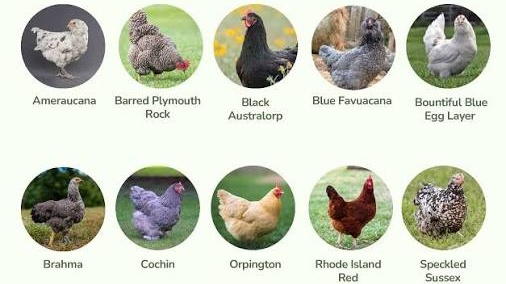
Choosing your first chickens can feel harder than it should. There are dozens of popular breeds, each with different egg production, temperament, size, appearance, and climate tolerance. One breed may be praised for laying lots of eggs, while another is known for being exceptionally gentle. A third may be better suited to cold winters, and another may simply be beautiful to look at.
For beginners, the easiest way to narrow down the choices is not to start with a long list of breeds. Start with one question:
What do you want most from your chickens?
Maybe you want a dependable supply of backyard eggs. Maybe you have children and want calm birds that are easier to handle. Perhaps you live in a cold northern state, have a small suburban yard, or simply want chickens that look unusual and attractive.
Your goal should influence your breed choice.
First, Consider Your Backyard
Before choosing a breed, look at the environment where your chickens will actually live.
Think about the size of your coop and run, your climate, predator pressure, available shade, and how much time you can spend caring for the flock.
A large, active breed may not be the most convenient choice for a very small backyard. A heavily feathered breed may require extra attention during hot summers. A rooster may create noise issues in a suburban neighborhood and may not be permitted by local rules.
Also consider whether you want three or four hens or a larger flock. You do not need a huge number of chickens to enjoy fresh eggs.
Once you understand your space and limitations, choosing a breed becomes much easier.
Goal 1: You Mainly Want Fresh Eggs
If your primary reason for keeping chickens is breakfast, baking, and a steady supply of fresh eggs, prioritize breeds known for good laying ability.
Some breeds commonly considered for backyard egg production include Australorp, Leghorn, Rhode Island Red, and Plymouth Rock.
Australorps are especially popular with backyard keepers because they combine strong laying ability with a substantial body and generally manageable temperament.
Leghorns are famous for egg production and efficiency. However, they can be more active and flighty than some calmer backyard breeds, so they may not be the first choice for someone who wants a cuddly family chicken.
Rhode Island Reds can provide useful egg production while also having a sturdy body and traditional backyard-farm appearance.
Plymouth Rocks offer another balanced option, combining eggs with a larger body and generally practical temperament.
Best approach for beginners
If eggs are your priority, do not automatically choose the breed with the highest theoretical production. Consider whether you also want calm behavior, cold tolerance, or suitability for your particular backyard.
A slightly less specialized breed may be easier and more enjoyable to keep.
Goal 2: You Want Gentle, Family-Friendly Chickens
If your children will help collect eggs or interact with the birds, temperament may matter more than maximum production.
Some backyard keepers particularly like Buff Orpingtons, Cochins, Australorps, and Plymouth Rocks because these breeds are often associated with calmer personalities.
Orpingtons are especially popular as family backyard chickens. Their large bodies, soft feathers, and generally gentle nature make them attractive to beginners.
Cochins are another option for keepers who value calm behavior and an ornamental appearance. Their feathered legs and fluffy bodies make them distinctive, although their feathering also means their housing should be kept reasonably clean and dry.
Australorps can provide another useful compromise: good egg production combined with a generally manageable temperament.
Remember that breed descriptions describe tendencies, not guarantees. Individual chickens have individual personalities. Handling, breeding lines, flock dynamics, and the presence of a rooster can all affect behavior.
Best approach for beginners
If friendliness is important, buy from a reputable breeder or hatchery and research the temperament of the specific strain you are considering.
Do not choose a breed based only on a photograph.
Goal 3: You Need Chickens for Cold Winters
Cold weather changes your priorities.
If you live in a region with freezing temperatures and snowy winters, look for breeds that are generally regarded as cold hardy.
Popular examples include Wyandottes, Plymouth Rocks, Orpingtons, Brahmas, and Australorps.
Wyandottes can be particularly interesting for cold climates because their rose comb is less exposed than the large single comb found on some breeds.
Plymouth Rocks and Orpingtons have substantial bodies and dense feathering that can help them cope with cold conditions when properly housed.
Brahmas are large, heavily feathered chickens that are often associated with cold-weather environments.
But choosing a cold-hardy breed does not eliminate the need for proper winter management.
The coop should remain dry and protected from drafts while still having adequate ventilation. Moisture buildup can contribute to frostbite and respiratory problems.
You also need to make sure water does not remain frozen and that chickens have appropriate access to feed during cold weather.
Best approach for beginners
Think of breed selection and coop design as one decision.
A cold-hardy breed still needs a dry, secure, well-ventilated shelter.
Goal 4: You Live in a Suburban Area and Want a Quieter Flock
Noise can become a major issue when chickens are kept close to neighbors.
Hens make plenty of sounds, but roosters are generally the bigger concern because of crowing.
If your local regulations allow chickens but restrict roosters, an all-hen flock may be the simplest arrangement.
For suburban keepers, breeds such as Orpingtons, Australorps, and Plymouth Rocks may be worth researching because they are often described as relatively calm backyard birds.
However, no chicken breed is completely silent.
Before buying chicks, check city, county, HOA, or other applicable rules regarding:
- Number of chickens
- Roosters
- Coop placement
- Property setbacks
- Sanitation requirements
- Noise
These rules can be more important than breed selection.
Best approach for beginners
If you live close to neighbors, solve the legal and noise questions before ordering chicks.
A beautiful flock is not useful if your local regulations do not allow the setup you planned.
Goal 5: You Want Beautiful or Unusual Chickens
Not everyone keeps chickens purely for eggs.
Some people want a backyard flock that is visually interesting. If that sounds like you, there are plenty of ornamental breeds to explore.
Silkies are famous for their unusual fluffy feathers and distinctive appearance. They are often kept as ornamental or companion chickens rather than for high-volume egg production.
Polish chickens are recognizable for their dramatic head crests and unusual silhouette.
Wyandottes can also appeal to beginners who want practical chickens with attractive feather patterns. Silver Laced Wyandottes, for example, have a particularly distinctive appearance.
The key is understanding the trade-off.
Some ornamental breeds may not match the egg production or body size of traditional dual-purpose breeds.
Best approach for beginners
Decide how important production is before choosing an ornamental breed.
If you want both beauty and utility, consider a mixed flock containing practical breeds alongside one or two ornamental birds.
What If You Want Everything?
This is where many beginners get stuck.
You may want chickens that are:
- Excellent layers
- Very quiet
- Extremely gentle
- Cold hardy
- Beautiful
- Small
- Easy to care for
The problem is that no breed is perfect in every category.
Instead of looking for a perfect chicken, decide which two or three characteristics matter most.
For example, if you want eggs + temperament, Australorp or Plymouth Rock may be worth researching.
For cold tolerance + appearance, Wyandotte can be an interesting option.
For family friendliness + large size, Orpington may fit your priorities.
For ornamental appearance + companionship, Silkie may deserve consideration.
This goal-based approach is much more useful than choosing a breed simply because it appears on a generic “top 10 chickens” list.
Should Beginners Keep Different Breeds Together?
Absolutely. A mixed flock can actually be a practical solution.
You might keep several Australorps for egg production, a couple of Orpingtons for their calm personalities, and perhaps a Wyandotte because you like its appearance and cold-weather characteristics.
The important thing is to consider flock compatibility and available space.
Introducing new chickens also requires careful management because chickens establish a social hierarchy. New birds should not simply be placed into an established flock without considering quarantine, health, and gradual introduction.
Final Thoughts
The best chicken breed for a beginner is not necessarily the breed that produces the most eggs or appears most often on popular lists.
It is the breed that matches your actual goal.
If you want eggs, investigate productive laying breeds. If you want gentle family birds, prioritize temperament. If you face harsh winters, consider cold-hardy breeds and proper coop design. If you live in the suburbs, think carefully about noise and local regulations. And if appearance is your biggest priority, ornamental breeds can make your flock more distinctive.
Most importantly, choose based on your backyard, climate, available space, management ability, and expectations.
Instead of asking, “Which chicken breed is the best?” ask:
“What do I want my chickens to do, and which breed is designed to fit that goal?”
That question can turn an overwhelming list of chicken breeds into a much simpler decision—and help you start your first flock with realistic expectations.