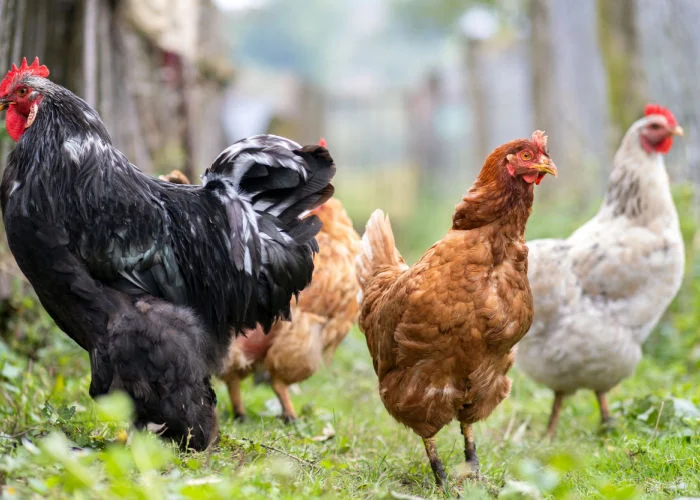
If you are choosing chickens for the first time, egg production is probably not the only thing on your mind. A chicken that lays plenty of eggs may sound great, but if the birds are difficult to handle, easily frightened, or overly aggressive, keeping them can become frustrating.
For families, especially those with children, temperament can be one of the most important factors when choosing a breed.
The good news is that several popular backyard chicken breeds are known for being relatively calm, gentle, and manageable. Orpingtons, Cochins, Silkies, and Australorps are frequently considered by backyard keepers who want friendly birds. Other breeds, including Plymouth Rocks and some Wyandottes, can also fit well into a calm family flock.
However, breed is not a guarantee of personality. Individual chickens can behave differently depending on genetics, handling, flock dynamics, and environment.
So what should you look for in a family-friendly chicken?
What Makes a Chicken Breed “Docile”?
A docile chicken is generally easier to handle and less likely to react aggressively when people approach it.
For a family flock, useful temperament characteristics include:
- Calm behavior around people
- Tolerance of handling
- Low tendency toward aggression
- Curiosity without excessive fearfulness
- Ability to adapt to backyard environments
- Reasonable compatibility with other chickens
A calm chicken does not necessarily mean a chicken that wants to sit on your lap. Some friendly chickens enjoy human interaction, while others simply tolerate being picked up.
This distinction matters when choosing birds for children.
Young children should always be supervised around chickens, regardless of breed. Even a gentle chicken can scratch, flap, or react suddenly if frightened.
1. Buff Orpington: A Popular Family Favorite
Orpingtons are often one of the first breeds mentioned when backyard keepers talk about gentle chickens.
Buff Orpingtons are especially recognizable because of their golden-buff feathers, large bodies, and fluffy appearance.
Their size can make them look intimidating to first-time owners, but they are generally known for having a calm disposition.
Orpingtons can be a good choice for families because they are often relatively easy to handle. They also provide useful brown-egg production, making them practical rather than purely ornamental.
Another characteristic to consider is their tendency to become broody. Individual birds vary, but Orpingtons may show more broodiness than some highly specialized laying breeds.
Broodiness can be useful if you want a hen to hatch chicks, but inconvenient if your primary goal is consistent egg collection.
Best for:
Families wanting large, calm chickens with a friendly backyard personality.
2. Cochin: Gentle, Fluffy, and Easygoing
Cochins are another breed worth considering if temperament is your priority.
Their heavily feathered bodies and feathered legs give them a distinctive appearance. They are generally associated with calm behavior and can be easier for beginners to manage than more active or flighty breeds.
Cochins can also have a strong tendency toward broodiness.
For someone interested in naturally raising chicks, this can be useful. For someone who simply wants maximum egg production, however, frequent broodiness can become a management issue because a broody hen stops laying while she focuses on nesting behavior.
Their feathered feet also deserve attention. Muddy or wet conditions can make heavily feathered legs and feet more difficult to keep clean.
Best for:
Families who want calm, ornamental chickens and do not mind managing heavier feathering or broodiness.
3. Silkie: A Unique Choice for Gentle Companionship
Silkies are unlike most traditional backyard chickens.
Their feathers have a soft, fluffy texture that gives them an almost furry appearance. They also have distinctive dark skin, feathered feet, and a small crest.
But their appeal is not only visual.
Silkies are often valued for their calm and gentle personalities. Their smaller size can make them appealing as companion birds, although children should still be supervised when handling them.
Silkies are also well known for broodiness.
This means they can be excellent mothers and may be particularly interesting to backyard keepers who want to hatch chicks naturally.
However, broodiness is not ideal if your only objective is egg production.
Silkies also require some additional attention because their unusual feather structure provides less protection from rain than normal chicken feathers.
Best for:
Families looking for a gentle, unusual, ornamental chicken rather than a high-production layer.
4. Australorp: Calm Temperament Plus Egg Production
Australorps are especially interesting for families who want a combination of temperament and productivity.
They are well known for their laying ability while also being generally regarded as manageable backyard birds.
Black Australorps have glossy dark plumage that can show a greenish sheen in sunlight.
Compared with some ornamental breeds, Australorps are more practical if your household wants a dependable supply of eggs.
They also have substantial bodies without being as heavily feathered as Cochins.
For a first-time keeper who wants a chicken that is both useful and relatively easy to manage, Australorp can be an attractive option.
Best for:
Families who want calm backyard chickens without giving up useful egg production.
5. Plymouth Rock: Friendly and Practical
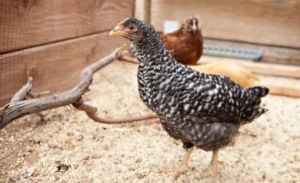
Plymouth Rocks, particularly Barred Plymouth Rocks, are another traditional backyard option.
Their black-and-white barred feathers make them easy to recognize, while their sturdy body and useful egg production make them practical for homesteads.
Many Plymouth Rocks are relatively calm and curious. They may follow people around the yard and investigate what their owners are doing.
That makes them interesting family chickens because they can be interactive without necessarily being overly demanding.
As with every breed, however, individual temperament varies.
Best for:
Beginners who want a traditional, productive, and generally manageable backyard chicken.
What About Broodiness?
If you are specifically searching for a docile chicken, it is worth considering broodiness separately from temperament.
Broodiness occurs when a hen becomes strongly motivated to sit on eggs and hatch chicks.
Some breeds, including Silkies and Cochins, are particularly associated with this behavior. Orpingtons can also show broodiness.
For a family interested in raising chicks, this can be a useful characteristic.
But if you want eggs every day, broodiness can be inconvenient.
A broody hen may spend much of her time in the nesting area and stop laying temporarily. She may also become protective of the nest.
Therefore, “docile” and “easy to manage” are not always exactly the same thing.
A calm breed with a strong tendency to brood may require more management than a calm breed that rarely becomes broody.
Are Gentle Chickens Good With Children?
A calm breed can make family chicken keeping easier, but no chicken should be treated like a toy.
Children should learn to:
- Approach chickens slowly
- Avoid chasing them
- Hold them securely when permitted
- Avoid grabbing feathers or wings
- Leave nesting hens alone
- Wash hands after handling chickens
- Respect signs that a bird wants to move away
Younger children should always have an adult nearby.
Even a normally gentle chicken may become frightened if a child runs toward it or picks it up incorrectly.
The goal should be teaching children to interact with chickens respectfully rather than assuming the breed will tolerate unlimited handling.
Does a Calm Breed Mean a Calm Rooster?
Not necessarily.
Roosters can behave very differently from hens, even within the same breed.
A rooster may become territorial, protective, or aggressive as it matures.
This is particularly important for suburban families because local regulations may restrict or prohibit roosters due to crowing and neighborhood concerns.
If your primary goal is fresh eggs and family-friendly interaction, an all-hen flock may be simpler.
How to Make Any Chicken Easier to Handle
Breed selection helps, but your management style matters too.
Chickens that are calmly and consistently exposed to people from a young age may become more comfortable around humans.
Avoid chasing birds around the yard whenever possible. Instead, use treats, calm movements, and predictable routines to build trust.
Regularly observing your flock can also help you recognize individual personalities.
You may discover that the chicken you expected to be shy is actually the most curious bird in the flock.
Final Thoughts
For families and first-time chicken keepers, temperament deserves as much attention as egg production.
Orpingtons are a strong option for people who want large, calm birds. Cochins offer an especially fluffy appearance and gentle personality. Silkies are distinctive companion-style chickens with strong broodiness. Australorps provide a useful balance between calm behavior and egg production, while Plymouth Rocks offer another practical choice for a traditional backyard flock.
There is no guarantee that every chicken within a breed will have the same personality. Genetics, early handling, housing, flock dynamics, and individual temperament all matter.
For a family flock, therefore, choose a breed whose typical characteristics match your goals—but also pay attention to the individual birds.
The best family chicken is not simply the one described as “docile.” It is a bird that fits your household, your children, your space, your management style, and the level of inter