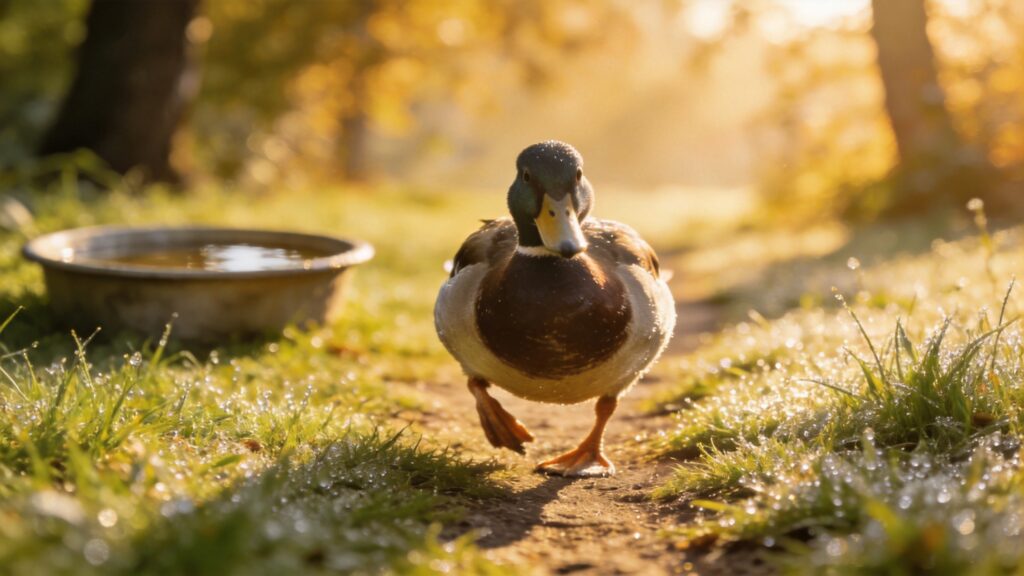
If you’re a first-time backyard poultry keeper, you’ve probably heard “start with chickens” a hundred times. But here’s the truth no one tells you: ducks are actually easier, more rewarding, and surprisingly cleaner than chickens—if you know what to expect. I’ve raised both for years, and every single time I walk out to my duck flock, I’m reminded why they’re the better beginner bird. Let’s dive into the top ten reasons ducks win, bust some stubborn myths, and give you practical steps to start your own duck journey.
1. Calmer, Quirkier Personalities That Win You Over
Ducks are chill. While chickens often dart around in a nervous panic when you enter the coop, ducks waddle over, curious and unafraid. They’ll nibble your shoelaces, splash in their kiddie pool, and actually bond with you like little feathered dogs. I’ve had ducks follow me around the yard, content to just hang out while I garden. Chickens? They’re busy pecking order drama. Ducks don’t care about hierarchies—they just want food, water, and your company. For a beginner, that friendly, low-stress temperament is a game-changer.
2. Unbelievable Hardiness – Ducks Laugh at Cold and Rain
Chickens hate wet weather. A rainy day means soggy feathers, respiratory risks, and a miserable flock. Ducks? They thrive in rain, snow, and mud. Their waterproof feathers and thick down keep them cozy down to -20°F. I’ve seen my ducks gleefully paddling in freezing puddles while my chickens huddle under the coop. In fact, ducks are less prone to common chicken ailments like bumblefoot and respiratory infections because their sinuses drain better. If you live in a cold, damp climate, ducks are practically indestructible.
3. Superior Egg Quality – Richer, Larger, and More Nutritious
Duck eggs are the superfood of the egg world. They’re roughly 30% larger than chicken eggs, with a thicker shell that stays fresh longer in the fridge. The yolk-to-white ratio is higher, making them incredibly rich for baking—your cakes will rise taller, your custards creamier. Nutritionally, duck eggs pack more omega‑3 fatty acids, vitamin B12, and selenium. And if you’re worried about “gamey” taste? There is none. Raised on good feed and fresh greens, duck eggs taste milder and silkier than chicken eggs. Beginners often report their friends refuse to eat store-bought eggs after tasting homegrown duck eggs.
4. Ducks Are Natural Pest Control – Say Goodbye to Slugs
Unlike chickens, who scratch and destroy your garden beds, ducks hunt for pests without tearing up plants. They’ll devour slugs, snails, mosquitoes, grasshoppers, and even small grubs. I’ve seen a single Muscovy duck clear an entire slug infestation from my hostas in three days. Chickens will also eat bugs, but they scratch up mulch and eat your lettuce. Ducks use their broad bills to sift through soil gently. If you have a vegetable garden, ducks are your best friend—they patrol the edges, eat the bad bugs, and leave your tomatoes alone.
5. Less Noise, Fewer Complaints from Neighbors
Everyone knows roosters crow at dawn—but even hen chickens can be surprisingly loud with their egg‑song cackling. Ducks, on the other hand, are generally quiet. The females make a soft, rhythmic quack, and males (drakes) have a raspy whisper. Unless something startles them, your duck flock will be a background hum, not a nuisance. In suburban backyards with noise ordinances, ducks are a far better choice. I’ve kept ducks next to a quiet senior couple for years with zero complaints—unthinkable with chickens.
6. Mess Myth Busted – Ducks Are Actually Easier to Clean Up After
Let’s address the biggest myth: “Ducks are too messy.” Yes, ducks need water to splash in, but that doesn’t mean your yard becomes a swamp. A small kiddie pool changed every two days keeps the area dry. The real secret? Ducks poop in predictable patterns. Unlike chickens who can’t hold it and drop everywhere, ducks prefer to poop in water or on damp surfaces. Place their pool on a gravel or sand bed, and 90% of waste goes into the water, which you dump onto a compost pile. I’ve had a duck coop that stays cleaner than my chicken coop ever did—because ducks don’t kick litter everywhere.
“After switching from chickens to ducks, I spend 40% less time cleaning the coop and run. My ducks keep their water area tidy, and the bedding stays fresh for two weeks. I wish I’d started with ducks.” — Laura M., backyard poultry keeper of 12 years
7. Water Consumption Myth – What They Really Need
People worry ducks need a lake. False. A standard 5‑gallon bucket with a homemade nipple waterer works perfectly. Ducks don’t need to fully submerge—they just need deep enough water to rinse their eyes and bills. I use a 2‑foot‑wide shallow tub, refilled once daily. They drink, splash a little, and that’s it. For a beginner, water management is no harder than a chicken’s. The key is to set up a drainage area—a few inches of pea gravel under the waterer lets the splash drain away, keeping the rest of the run bone‑dry. Problem solved.
8. Foraging Efficiency – Ducks Eat Less and Waste Less
Chickens scratch and scratch, flinging feed everywhere. Ducks are neat eaters. They scoop feed with their bills and rarely toss it out. This means you’ll go through about 15–20% less feed per bird compared to chickens. Plus, ducks forage by grazing on grass and weeds, supplemented by bugs. A standard ration of 16% protein layer feed (unmedicated) is all they need. No special grit required (they pick up small stones naturally). For a beginner on a budget, ducks are the thriftier choice.
9. Ducks Are Less Prone to Pecking and Bullying
Chickens have a brutal pecking order—they’ll draw blood, pluck feathers, and even kill weakened flock members. Ducks? Their social structure is far gentler. Drakes may chase each other during mating season, but serious injury is rare. Females get along beautifully, even with new introductions. I’ve raised ducklings with week‑old chicks without a single incident. If you’re a beginner worried about flock dynamics, ducks are stress‑free. You’ll never have to deal with a “mean hen” problem.
10. Ducks Lay Reliably Through Winter (Without Extra Light)
Chicken egg production drops drastically when days shorten—many stop laying entirely November through February without artificial lighting. Ducks, especially breeds like Khaki Campbell and Indian Runner, keep laying through winter thanks to their natural resilience. I get 5–6 duck eggs a week per hen all winter long, with zero supplemental light. That’s a huge win for the beginner who wants a steady supply of fresh eggs year‑round, without rigging up timers and heat lamps.
First‑Time Duck Owner Toolkit – Practical Tips
Ready to start? Here’s what experienced duck owners wish they knew from day one:
Breed Selection (Pick Two Beginner Favorites)
| Breed | Eggs per Year | Temperament | Best For |
|---|---|---|---|
| Khaki Campbell | 250–300 | Active, friendly | High egg production |
| Pekin | 200–250 | Calm, cuddly | Meat & eggs, kids |
Set Up the Right Housing
- Coop space: 4 sq ft per duck inside, 10 sq ft run. Ducks don’t roost—they sleep on soft straw on the floor. Use a deep litter method (pine shavings) and clean once a month.
- Water station: A shallow tub sunk into pea gravel. Change water daily and wash the tub weekly. Consider adding a small plastic pool for weekly splashing—they’ll be deliriously happy.
- Feed: Unmedicated layer crumble (16–18% protein). Offer crushed oyster shell in a separate dish. Ducks need niacin—feed a starter with niacin for ducklings, or add brewer’s yeast.
Myth‑Busting Water Management (A Quick Checklist)
- No pond required – a 3‑gallon bucket with a nipple or a 2‑foot tub is plenty.
- Drain the splash zone – 2 inches of pea gravel or sand under the waterer prevents mud.
- Pool time – offer a kiddie pool for 20 minutes every few days (supervise at first). Ducks will splash, but they also poop in it—dump that water on compost, not your lawn.
Daily Routine (5‑Minute Commitment)
- Morning
- Open coop, refresh waterer, scatter a handful of feed on the ground for foraging fun.
- Evening
- Lock ducks in coop after dusk (they put themselves to bed). Check for eggs: ducks lay early morning, usually by 8am.
- Weekly
- Change bedding in coop, scrub water tub with vinegar, refill pool water, and inspect for any injuries (rare but good practice).
Conclusion – Should You Start with Ducks? Absolutely.
Ducks bring calm companionship, exceptional eggs, and far fewer health issues than chickens. They bust every “messy” myth when you set up a simple drainage area, and their winter laying power saves you from buying eggs all season. For the American beginner who wants a rewarding, low‑stress backyard flock, ducks are the undisputed champions. Give them clean water, good feed, and a bit of your time, and they’ll give you eggs, entertainment, and a surprising connection you never expected from a bird. Ready to waddle into duck ownership? Your flock is waiting.