🐔 Backyard Poultry Health · Emergency Response Guide
Finding one sick chicken is worrying. Finding several chickens suddenly weak, refusing food, struggling to breathe, or dying can be frightening. When multiple birds become ill within a short period, the situation deserves immediate attention.
The most important thing is not to guess the disease or start giving random medications. Several conditions can cause similar symptoms, including contagious infections, poisoning, contaminated feed or water, heat stress, and environmental problems.
Some causes can spread rapidly through a flock. Others can threaten human health or require urgent veterinary or government attention.
This guide explains what to do first, how to protect the remaining chickens, what information to collect, and when to seek emergency help.
1. Treat Multiple Sick or Dead Chickens as an Emergency
If several birds become sick or die suddenly, assume there may be a serious flock-wide problem until the cause is identified.
Possible causes include:
- Avian influenza (bird flu): Can cause sudden deaths, breathing problems, reduced egg production, swelling, or neurological signs. Symptoms vary, and some birds may die without obvious warning.
- Newcastle disease: A contagious viral disease that can cause respiratory problems, diarrhea, nervous-system signs, and sudden deaths.
- Coccidiosis: An intestinal disease caused by parasites. It can cause weakness, diarrhea, poor appetite, dehydration, and sometimes bloody droppings, particularly in young birds.
- Bacterial infections: Certain bacterial diseases can spread through a flock and cause severe illness or sudden death.
- Poisoning: Rodenticides, pesticides, toxic plants, chemicals, spoiled feed, or contaminated water may affect multiple birds.
- Heat stress: High temperatures, poor ventilation, crowding, and inadequate water can cause rapid deterioration.
- Feed or water problems: Moldy feed, contaminated water, or a sudden feed-quality issue can affect many chickens.
These conditions cannot reliably be distinguished by appearance alone. A veterinarian or poultry diagnostic laboratory may need to examine the birds and collect samples.
Important: Sudden deaths involving multiple birds should raise concern about avian influenza or another reportable poultry disease. Contact your local veterinary authority promptly rather than waiting to see whether more birds become sick.
2. Take These Actions Immediately
When several chickens are affected, prioritize protecting the surviving birds and limiting possible disease transmission.
Your first-response priorities
Step 1: Stop moving birds and poultry equipment.
Do not sell, give away, transport, or introduce chickens from the affected flock. Avoid moving eggs, manure, bedding, cages, feeders, or waterers to another poultry area unless instructed by veterinary authorities.
Step 2: Separate visibly sick birds if it can be done safely.
Place sick birds in a separate, well-ventilated area away from healthy chickens. Use dedicated feeders and waterers. However, if a serious contagious disease such as avian influenza is suspected, avoid unnecessary handling and follow the instructions of veterinary authorities.
Step 3: Protect yourself.
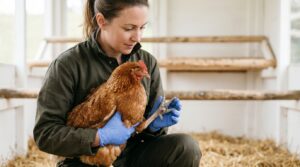
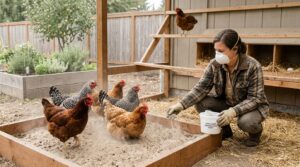
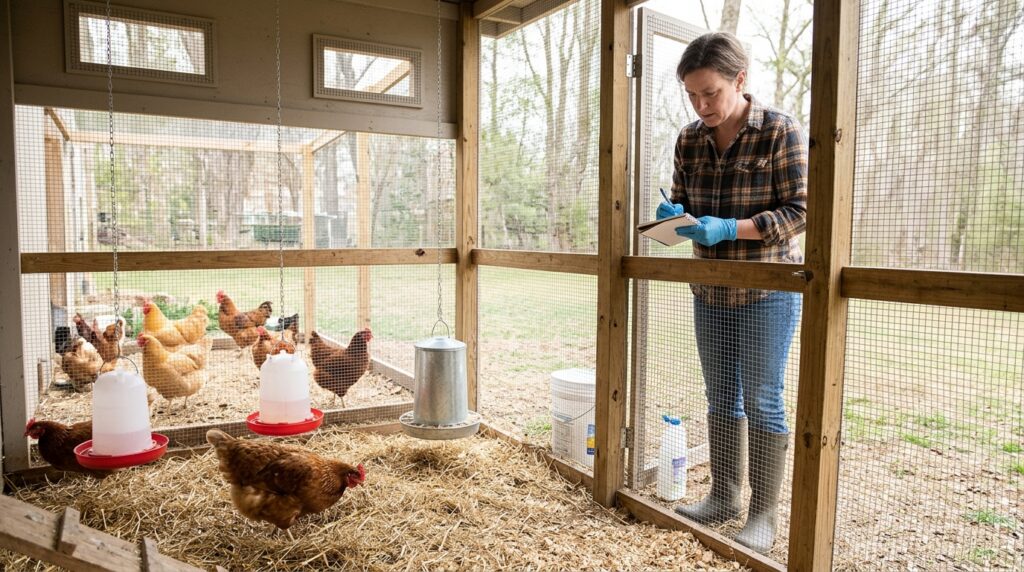
Wear disposable gloves and dedicated footwear when entering the affected area. Avoid touching your face, wash your hands thoroughly afterward, and keep children and pets away.
If bird flu is suspected, avoid direct contact with sick or dead birds, their droppings, and contaminated surfaces. Follow local public-health advice about additional protective equipment.
Step 4: Contact a veterinarian or animal-health authority.
Explain that multiple chickens have become sick or died suddenly. Ask whether testing, reporting, or an official inspection is required.
Step 5: Keep the area undisturbed.
Do not open carcasses, perform home necropsies, or move dead birds around unnecessarily. Authorities may need to collect diagnostic samples.
Do not dispose of carcasses until you have received guidance on safe and legally appropriate disposal.
3. Check the Remaining Chickens Without Spreading Contamination
Once you have contacted a veterinary professional, observe the flock from a safe distance.
Look for changes such as:
- Chickens sitting alone with fluffed-up feathers.
- Birds that are unusually quiet or inactive.
- Refusal to eat or drink.
- Labored breathing, coughing, sneezing, or gasping.
- Diarrhea or unusual droppings.
- Swelling around the head, eyes, or neck.
- Twisted necks, tremors, poor coordination, or paralysis.
- A sudden drop in egg production.
- Multiple birds becoming weak within hours or days.
Do not assume that a chicken is healthy simply because it is still walking or eating. Some serious poultry diseases begin with subtle signs.
Keep a written record of which birds are affected and when symptoms appear. This timeline can help a veterinarian understand how quickly the problem is progressing.
4. Investigate Possible Feed, Water, and Environmental Problems
Not every flock emergency is caused by an infectious disease. Environmental problems and toxic substances can affect several birds at once.
While waiting for professional guidance, review the following without disturbing potentially contaminated materials.
Check the feed
Ask yourself:
- Did you recently open a new bag of feed?
- Does the feed smell musty or look moldy?
- Was it exposed to rain or moisture?
- Could pesticides, rodent poison, or chemicals have contaminated it?
- Did the chickens have access to unfamiliar plants, garden treatments, or household chemicals?
If you suspect contaminated feed, stop offering it. Keep the original bag, label, batch information, and a sample secured for possible testing. Do not throw it away before asking the veterinarian whether a sample is needed.
Check the water
Look for:
- Empty or overturned drinkers.
- Dirty water containers.
- Algae or visible contamination.
- Possible chemical contamination.
- A water supply that recently changed.
Provide clean, safe drinking water if contamination is not suspected. If the water itself may be contaminated, use a confirmed safe source and ask your veterinarian about appropriate next steps.
Check the coop and run
Review:
- Ventilation and airflow.
- Excessive heat and humidity.
- Overcrowding.
- Wet bedding and poor drainage.
- Recent pesticide or disinfectant use.
- Possible access to toxic materials.
Heat stress can become dangerous quickly. Chickens may pant, hold their wings away from their bodies, become weak, or collapse. Provide shade, ventilation, and access to safe drinking water while seeking urgent help.
Do not assume that improving the environment alone will solve the problem. Infectious disease and poisoning still need to be considered.
5. Avoid Random Medication and Home Remedies
One of the most damaging responses to a flock emergency is treating every sick chicken with whatever medication is available.
For example:
- Antibiotics do not treat viral infections.
- Coccidiosis medication will not treat every cause of diarrhea.
- Vitamins and electrolytes may support birds in certain situations, but they do not cure serious infections.
- Unverified home remedies can delay diagnosis and appropriate treatment.
Using antibiotics without veterinary guidance can also contribute to antimicrobial resistance and create food-safety concerns.
Medication choices, dosage, and withdrawal periods for meat and eggs should be determined with a qualified veterinarian.
Do not vaccinate, medicate, or attempt invasive treatment during a suspected serious disease outbreak without professional direction.
6. Know When to Suspect Bird Flu
⚠️ A particularly important warning
Avian influenza, commonly called bird flu, is a serious infectious disease that can affect domestic poultry and wild birds.
Possible signs include:
- Sudden unexplained deaths.
- Severe weakness or loss of appetite.
- Respiratory distress.
- Swelling around the head, eyes, or neck.
- Blue or purple discoloration of the comb and wattles.
- Diarrhea.
- Nervous-system problems, such as tremors or poor coordination.
- A sudden decline in egg production.
Not every infected bird displays all these signs. Some birds may die suddenly without showing obvious symptoms beforehand.
If bird flu is possible:
- Avoid touching sick or dead birds.
- Keep people, pets, and other animals away from the affected area.
- Do not transport birds, eggs, manure, or equipment off the property.
- Contact your local veterinary or animal-health authority immediately.
- Follow official instructions for testing, movement restrictions, and disposal.
Bird flu can sometimes infect people, particularly after unprotected contact with infected birds or contaminated environments. If you have had exposure and develop symptoms such as fever, cough, sore throat, or eye redness, seek medical advice promptly and explain the poultry exposure.
7. Record Information That Can Help the Veterinarian
A clear record is more useful than trying to remember everything during an emergency.
Write down:
| Information | What to record |
|---|---|
| Flock size | Total number of chickens |
| Sick birds | Number showing symptoms |
| Deaths | Number and approximate time found |
| First symptoms | When the problem began |
| Age | Chicks, growers, or adult birds |
| Symptoms | Breathing problems, diarrhea, weakness, etc. |
| Feed | Brand, batch, and recent changes |
| Water | Source and recent changes |
| Environment | Heat, ventilation, dampness, possible toxins |
| Recent events | New birds, visitors, wild-bird contact, or new equipment |
If safe and permitted, take photographs or videos of visible symptoms from a distance. Keep records of recent bird purchases, vaccinations, medications, and any changes to the coop.
These details may help a veterinarian decide which diagnostic tests are appropriate.
8. Clean and Disinfect Only With an Appropriate Plan
Cleaning is important, but disinfecting too early or incorrectly can make diagnosis harder or spread contamination.
Follow veterinary instructions about when and how to clean the affected area.
When cleaning is authorized:
- Wear appropriate protective equipment.
- Remove visible dirt and organic material before applying disinfectant.
- Use a disinfectant approved for the intended poultry environment.
- Follow the product’s dilution and contact-time instructions.
- Clean feeders, drinkers, and other equipment thoroughly.
- Dispose of contaminated bedding and waste according to local instructions.
- Keep disinfectants away from chickens, feed, and drinking water unless the product is specifically approved for that use.
Never mix cleaning chemicals. Some combinations can produce dangerous fumes.
Do not move potentially contaminated equipment to another coop before it has been properly cleaned and disinfected.
9. Protect Your Family and the Rest of Your Flock
During an unexplained poultry illness, temporarily tighten your normal biosecurity routine.
- Keep visitors away from the chicken area.
- Use dedicated footwear and clothing for poultry chores.
- Wash hands after handling poultry equipment.
- Avoid sharing tools between different flocks.
- Keep wild birds away from feed and drinking water.
- Secure feed in clean, covered containers.
- Avoid introducing new chickens until the situation has been resolved.
- Follow official guidance about eggs, meat, and poultry products.
Do not eat birds that died from an unknown illness. Do not distribute eggs or poultry products from an affected flock until you have received appropriate veterinary or animal-health guidance.
If an official disease investigation is underway, follow any movement restrictions and food-safety instructions provided by the authorities.
10. How to Reduce the Risk of Another Flock Emergency
You cannot prevent every poultry disease, but consistent management can reduce many risks.
Buy birds carefully. Obtain chickens from reputable sources and follow recommended quarantine procedures for new arrivals. Ask a veterinarian about an appropriate quarantine period and health checks.
Maintain clean water systems. Clean drinkers regularly and prevent wild birds and rodents from contaminating water.
Store feed properly. Keep it dry, protected from pests, and away from chemicals.
Improve ventilation. Fresh air helps control moisture and ammonia buildup, especially in enclosed coops.
Control pests and predators. Use appropriate measures to limit rodents, wild-bird access, and other potential sources of contamination.
Follow a vaccination plan. Ask a poultry veterinarian which vaccines are appropriate for your location, flock type, and disease risks.
Observe chickens daily. Regular checks make it easier to notice changes in appetite, behavior, droppings, breathing, and egg production.
A simple daily observation routine can help you recognize problems before they become more serious.
Final Thoughts 🐔
When several chickens become sick or die suddenly, acting quickly matters more than trying to identify the disease yourself.
Stop unnecessary movement, protect yourself, contact a veterinarian or local animal-health authority, and keep careful records. Avoid random medication, opening carcasses, or disposing of dead birds without guidance.
Remember that sudden flock illness is not always caused by an infectious disease. Poisoning, contaminated feed, heat stress, and water problems can also affect multiple chickens.
The safest approach is to treat the situation seriously, investigate the cause professionally, and protect the remaining birds while following local veterinary instructions.
A healthy backyard flock starts with daily observation, but responsible flock care also means knowing when an emergency is too serious to handle alone.