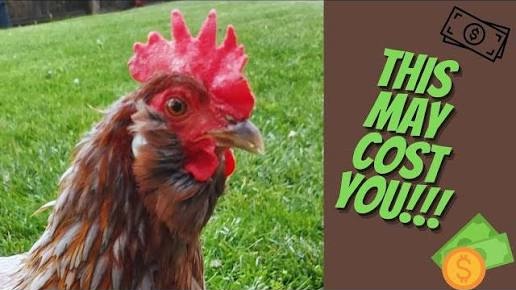
When people calculate the cost of keeping backyard chickens, they usually start with the obvious expenses: chickens, a coop, feed, and a feeder.
That is a good beginning, but it is not a complete budget.
Many first-time chicken keepers discover that the small expenses add up quickly. A weak section of fencing needs reinforcement. Bedding disappears faster than expected. A feeder breaks. Feed needs a secure storage container. A sick or injured bird may require unexpected care.
None of these expenses necessarily looks enormous by itself. The problem is that they are easy to forget when you are planning your initial budget.
If you are considering backyard chickens in 2026, here are 10 hidden costs worth including in your financial plan.
1. Predator-Proofing
A basic chicken coop is not automatically a predator-proof chicken coop.
Depending on where you live, your flock may face threats from raccoons, foxes, dogs, coyotes, snakes, birds of prey, and other animals.
Beginners often budget for the coop but underestimate the cost of securing it.
You may need stronger fencing, hardware cloth, buried barriers, reinforced doors, secure latches, or additional protection around openings.
This is one category where trying to save too much money can create a much larger problem later.
How to budget for it
Treat predator protection as part of the original housing cost rather than an optional upgrade.
When calculating your coop budget, create a separate line called:
Predator Protection: $_____
This makes it much harder to accidentally spend your entire housing budget on the structure while forgetting the enclosure.
2. Feed Storage
Buying chicken feed is one expense.
Storing it properly is another.
A bag of feed sitting in an open garage or shed can attract rodents and other pests. Moisture can also damage feed.
You may eventually need a secure, dry, rodent-resistant storage container.
The container does not have to be fancy. The important features are appropriate capacity, a secure lid, and protection from moisture and pests.
How to budget for it
Add a feed storage category to your startup budget.
If you already have a suitable container, your cost may be zero. If not, reserve money for an appropriate storage solution before buying a large quantity of feed.
3. Replacement Bedding
New chicken keepers often calculate the cost of one bag of bedding and assume that is the entire expense.
It isn’t.
Bedding is a recurring cost.
The amount you use depends on your coop design, flock size, climate, cleaning routine, and management system.
A small flock may use bedding slowly, while a larger flock can go through it much faster.
How to budget for it
Instead of calculating only the first purchase, estimate your annual bedding consumption.
For example:
Bags Used Per Year × Price Per Bag = Annual Bedding Cost
Then divide by twelve to get an average monthly amount.
This makes bedding much easier to include in your overall chicken budget.
4. Winter Heating and Climate Supplies
Climate-related expenses are easy to overlook because your chickens may arrive during pleasant weather.
But conditions can change.
Depending on your location and coop design, you may need supplies for cold weather, extreme heat, storms, or unusual weather conditions.
Cold-weather preparation might involve improving insulation or protecting water from freezing.
Hot-weather management can involve shade, ventilation, additional water capacity, and other measures appropriate to your climate.
One important point is that chickens generally need appropriate ventilation and protection from extreme conditions, rather than simply placing a powerful heat source inside a poorly ventilated coop.
How to budget for it
Think seasonally.
Create a category called:
Climate/Seasonal Supplies: $_____ per year
You may not spend this money every month, but having a reserve is useful when the weather changes.
5. Broken or Replaced Equipment
Feeders and waterers look simple.
They also get knocked over, cracked, chewed, stepped on, clogged, or otherwise damaged.
Fencing can fail.
Doors can stop working.
Hinges can rust.
A waterer that seemed perfectly adequate for four young chickens may become inconvenient once the flock grows.
These replacement costs are easy to overlook because they are not part of the original shopping list.
How to budget for it
Create a small annual maintenance and replacement fund.
For example:
Annual Equipment Reserve: $_____
You may not use it immediately, but it gives your chicken budget some flexibility.
If nothing breaks, the money can remain available for future repairs or upgrades.
6. Replacing Hens
Another expense beginners often forget is that a flock does not remain unchanged forever.
Chickens age.
Egg production can change over time, and eventually you may decide to add younger hens or replace birds for various reasons.
Buying replacement birds creates another cost.
There can also be costs associated with quarantine, integration, temporary housing, or additional feeding when introducing new birds.
How to budget for it
Don’t assume that your original flock will be your permanent flock.
If you intend to keep chickens for many years, include a future flock replacement category in your long-term budget.
You do not necessarily need to spend this money every year, but planning for it prevents the future expense from appearing completely unexpected.
7. Unexpected Veterinary Care
This is probably the most difficult expense to predict.
Most months may pass without a significant medical bill.
Then an injury or illness can suddenly change the budget.
Potential expenses can include professional veterinary care, medication, supportive supplies, isolation equipment, or other treatment-related costs.
The exact availability and cost of poultry veterinary care also varies considerably by location.
How to budget for it
Create an emergency reserve specifically for animal care.
For example:
Chicken Emergency Fund: $_____
This is not money you expect to spend every month.
It is money you keep available in case something happens.
The same principle applies to any animal: a predictable monthly budget should still include room for unpredictable events.
8. Brooder Supplies
If you start with day-old chicks, the expenses begin before the birds ever enter the adult coop.
You may need a brooder, heat source, thermometer, chick feeder, chick waterer, bedding, and starter feed.
Some of these items can be reused for future batches of chicks.
That makes them more like equipment investments than disposable expenses.
However, if you only plan to raise one flock, purchasing expensive specialized equipment may not make financial sense.
How to budget for it
Before buying chicks, create a separate brooder checklist.
Calculate the cost of everything required for the first few weeks, not simply the cost of the chicks.
Alternatively, if you prefer to avoid brooding entirely, compare the total cost of chicks with the cost of started pullets.
The cheaper bird at purchase is not necessarily the cheaper option overall.
9. Waste Management
Chicken manure is useful when handled appropriately, but it does not magically disappear.
A flock produces waste every day.
You need a plan for removing, storing, composting, or otherwise managing coop waste.
Depending on your property and gardening setup, this may be simple—or it may require additional containers, composting space, tools, or disposal arrangements.
How to budget for it
If you already compost, your additional cost may be minimal.
If not, consider whether you need:
- Compost bins
- Manure storage containers
- Shovels or dedicated cleaning tools
- Additional bedding
- Waste bags or disposal services
The financial cost may be small, but the time cost can be significant.
That is worth considering before deciding how many chickens to keep.
10. The Cost of Your Time
This is perhaps the most overlooked cost of all.
Chicken keeping takes time.
You need to:
- Feed the birds
- Check water
- Collect eggs
- Clean the coop
- Replace bedding
- Inspect fencing
- Watch for injuries or illness
- Secure the flock
- Maintain equipment
- Manage waste
Five or ten minutes a day may not sound like much.
But over a year, those minutes become many hours.
If you travel, work long hours, or regularly leave home overnight, you may also need someone to care for the chickens.
A chicken sitter or neighbor may charge money, or you may need to arrange a reciprocal animal-care agreement.
How to budget for it
Even if you do not assign a dollar value to your own labor, recognize that chicken keeping is a time commitment.
When comparing the cost of backyard eggs with supermarket eggs, remember that your labor has value even if you choose not to include it in the financial calculation.
A Hidden-Cost Checklist
Before buying your chickens, review this checklist:
| Hidden Expense | Budget |
|---|---|
| Predator-proofing | $_____ |
| Feed storage | $_____ |
| Replacement bedding | $_____ |
| Climate/seasonal supplies | $_____ |
| Equipment replacement | $_____ |
| Future replacement hens | $_____ |
| Veterinary/emergency reserve | $_____ |
| Brooder supplies | $_____ |
| Waste management | $_____ |
| Chicken-care time/sitter | $_____ |
Adding these categories to your original budget can dramatically improve your estimate.
How to Build a More Realistic Chicken Budget
A useful chicken budget has four sections.
1. Startup Costs
Include:
- Coop
- Run
- Fencing
- Chickens
- Feeders
- Waterers
- Brooder equipment
- Initial feed
- Predator protection
2. Monthly Operating Costs
Include:
- Feed
- Bedding
- Supplements
- Routine supplies
3. Annual Reserves
Include:
- Repairs
- Equipment replacement
- Veterinary care
- Seasonal supplies
- Future flock replacement
4. Emergency Fund
Keep a separate amount available for unexpected problems.
This four-part system is much more realistic than simply asking, “How much does a chicken cost?”
Don’t Let Hidden Costs Surprise You
The purpose of identifying hidden costs is not to make backyard chicken keeping sound impossibly expensive.
It is the opposite.
When you know what to expect, you can make better decisions.
Maybe you decide to start with four hens instead of eight.
Maybe you build a simple coop instead of purchasing a premium model.
Maybe you choose started pullets instead of day-old chicks because you don’t want to purchase brooding equipment.
Maybe you set aside an emergency reserve before buying the flock.
Those decisions become easier when you understand the complete cost structure.
Final Thoughts
The true cost of backyard chickens is rarely determined by the price of the chickens themselves.
Predator protection, feed storage, bedding, seasonal supplies, broken equipment, replacement birds, veterinary care, brooder supplies, waste management, and your own time can all affect the total cost.
The best approach is to create your budget before bringing the birds home.
Start with the obvious expenses, then deliberately look for the costs that occur later.
A flock that fits comfortably into your budget is much easier to enjoy than one that constantly produces unexpected expenses.
And remember: the goal is not to eliminate every possible cost. The goal is to know what you are committing to, protect your birds properly, and leave enough financial room for the ordinary surprises that come with keeping living animals.