Keeping backyard chickens in the United States comes with one challenge that has little to do with eggs: predators.
A chicken coop can look secure to a person and still have weaknesses that a raccoon, fox, coyote, dog, rat, or snake can exploit. Predators can dig underneath fences, squeeze through openings, pull at weak wire, open poorly designed latches, or climb into an uncovered run.
The good news is that a predator-proof chicken coop does not have to be complicated. The key is to protect the chickens from several different directions: above, below, through the sides, and at the doors.
If you are building a new coop or upgrading an existing one, use the following checklist to identify the most important weak points.
Start With the Right Wire: Hardware Cloth vs. Chicken Wire
One of the most common mistakes made by new chicken keepers is assuming that chicken wire is enough to protect a flock.
Chicken wire is useful for keeping chickens contained, but it is not designed to stop determined predators.
Raccoons, dogs, foxes, and other animals can damage or exploit lightweight wire. Smaller predators may also be able to reach through openings.
For areas that need predator protection, many backyard poultry keepers use hardware cloth, particularly a sturdy welded-wire mesh with appropriately small openings.
Hardware cloth can be installed around:
- Coop windows
- Ventilation openings
- Run walls
- Doors
- Gaps underneath the structure
- Other vulnerable openings
The exact mesh size and construction should be selected based on the predators in your area.
The important principle is simple:
Containment wire and predator protection are not always the same thing.
1. Protect the Coop From Raccoons
Raccoons are particularly troublesome around backyard chickens because they are strong, persistent, and capable of manipulating simple hardware.
A weak latch that looks secure to a person may not be enough.
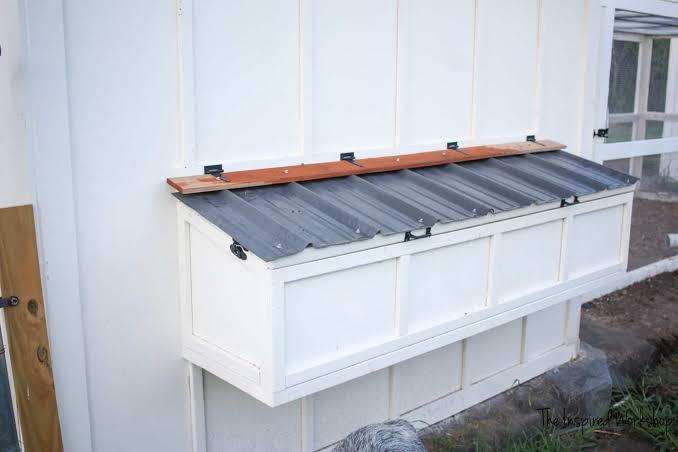
Use secure latches on all doors, including:
- Main coop doors
- Nest-box access doors
- Run doors
- Feed-storage areas
Avoid relying on a simple hook or lightweight sliding bolt if a raccoon can potentially reach or manipulate it.
Inspect the coop regularly for loose boards, damaged mesh, and gaps around doors.
Also remember that raccoons can climb. A secure wall does not necessarily protect an uncovered run.
2. Protect Against Foxes and Coyotes
Foxes and coyotes create a different problem because they can be excellent diggers.
A fence that ends exactly at ground level may not stop an animal from digging underneath it.
One common strategy is to extend predator-resistant fencing below ground level or create a protected barrier extending outward from the run.
This is sometimes called an apron or predator apron.
The basic idea is that when a predator begins digging beside the fence, it encounters the buried or outward-extending barrier rather than an easy route underneath.
The exact construction should depend on your soil, terrain, predator pressure, and coop design.
Pay particular attention to corners and gates. A beautifully protected straight fence can still fail if there is a weak point where two sections meet.
3. Cover the Chicken Run
Predators do not only come from the ground.
Hawks and owls can threaten free-ranging or uncovered chickens, particularly young or smaller birds.
A covered run provides an additional layer of protection.
The covering can also help protect chickens from other problems, including:
- Falling debris
- Certain weather conditions
- Escapes
- Some climbing predators
The roof does not necessarily have to be a solid permanent roof. Depending on your climate and design, secure wire mesh can provide overhead protection.
For areas with significant aerial-predator pressure, an uncovered run is a much more vulnerable setup.
4. Protect the Bottom of the Coop
The bottom edge of the coop is another common weak point.
Look closely at where the walls meet the ground.
Can an animal push underneath?
Can a dog dig into the corner?
Is there a gap beneath the door?
Can rats squeeze through an opening?
These questions matter because predators do not necessarily attack the obvious entrance.
A coop can have a strong door but still be vulnerable around the foundation.
If your coop is elevated, inspect the entire underside.
If the structure sits directly on the ground, pay special attention to the perimeter.
5. Use Secure Doors and Latches
A predator-resistant door needs to do more than close.
It needs to stay closed.
A door that can be pushed open, lifted, or manipulated creates an obvious vulnerability.
Use sturdy hinges, solid construction, and reliable latches.
For larger predator pressure, consider mechanisms that are more difficult for animals to manipulate.
Do not forget smaller access doors. A chicken coop may have one large human entrance but several smaller openings for nesting boxes, ventilation, or the run.
Every opening is part of the security system.
6. Lock the Chickens Up at Night
A good nighttime routine can make a major difference.
Many predators are active around dusk, nighttime, or early morning. Leaving chickens outside after dark gives predators more opportunities to reach them.
Ideally, chickens should have a secure place to sleep at night.
Make closing the coop part of your daily routine.
Before leaving the chickens for the night, check:
- Are all chickens inside?
- Is the main door fully closed?
- Is the latch secured?
- Are run doors closed?
- Are there damaged sections of fencing?
- Are feed and scraps attracting wildlife?
Automatic chicken-coop doors can reduce the amount of daily work, but they should still be checked periodically to make sure they are functioning correctly.
7. Keep Food From Attracting Predators
Predator control is not only about fencing.
Your feeding routine can also affect wildlife activity around the coop.
Spilled feed can attract rats, mice, raccoons, and other animals.
Avoid leaving excessive amounts of feed scattered around the run.
Store chicken feed in secure containers that rodents and other animals cannot easily access.
Clean up obvious spills and avoid accumulating food scraps around the coop.
A predator-resistant coop surrounded by an abundant wildlife food source is still going to attract unwanted visitors.
8. Watch for Rats and Snakes
Not every predator is large.
Rats can steal chicken feed, damage structures, and potentially threaten chicks or eggs. Snakes may enter through surprisingly small openings and target eggs or young birds.
This makes small gaps important.
Inspect:
- Around pipes
- Under doors
- Around ventilation openings
- Along wall joints
- Around nesting boxes
- Beneath the coop
A structure that appears secure from the perspective of a fox may still have openings large enough for smaller animals.
This is another reason appropriately sized hardware cloth and careful construction matter.
9. Don’t Forget Dogs
Dogs deserve special attention because they can cause serious problems even when they are not hunting for food.
A neighborhood dog may chase chickens, break through a weak fence, or cause a flock to panic.
Do not assume a domestic dog is harmless simply because it belongs to a neighbor.
A secure run provides a physical barrier between chickens and outside animals.
The same principle applies to your own pets. A dog that has never interacted with chickens before should not automatically be trusted around an unprotected flock.
10. Inspect the Coop Regularly
Predator protection is not something you install once and forget.
Weather, animals, and normal wear can gradually create weaknesses.
Schedule regular inspections.
Look for:
- Bent wire
- Loose staples
- Broken boards
- Gaps beneath fences
- Damaged latches
- Holes around doors
- Signs of digging
- Signs of chewing
- Tracks around the perimeter
Pay particular attention after storms.
A fallen branch can damage fencing or create an opening that did not exist the day before.
Signs That a Predator Is Investigating Your Coop
You may notice evidence before an actual attack occurs.
Potential warning signs include:
- Digging near the fence
- Damaged wire
- Tracks in soil or mud
- Feathers outside the coop
- Missing eggs
- Disturbed bedding
- Chewed wood
- Wildlife repeatedly appearing around the run
If you find evidence of predator activity, investigate immediately rather than waiting for a loss.
A Simple Predator-Proof Chicken Coop Checklist
Before putting chickens into a new coop, check the following:
☐ Predator-resistant mesh is installed on vulnerable openings
☐ Coop doors close securely
☐ Latches cannot be easily manipulated by animals
☐ The run is protected from above
☐ The fence perimeter is protected against digging
☐ There are no significant gaps at ground level
☐ Windows and vents are securely screened
☐ Feed is stored securely
☐ Food spills are cleaned regularly
☐ Chickens are secured inside at night
☐ The coop is inspected regularly
☐ Weak points are repaired immediately
Final Thoughts
Predator-proofing a chicken coop is really about eliminating opportunities.
Raccoons may test latches. Foxes and coyotes may dig. Rats and snakes may exploit small openings. Dogs can break through weak barriers, while hawks and owls can attack from above.
That means the safest chicken coop is not simply a strong building. It is a complete system.
Use appropriate predator-resistant mesh instead of relying on chicken wire alone. Protect the perimeter against digging. Cover the run when aerial predators are a concern. Secure every door and opening. Store feed properly and establish a reliable nighttime lock-up routine.
Most importantly, inspect the coop regularly.
You do not have to make your backyard chicken setup impossible for every wild animal to approach. You need to make it difficult for predators to get through, under, over, or into the places where your chickens live.
A few hours spent strengthening the coop before you bring chickens home can prevent many problems later—and gives your flock a much safer place to live.