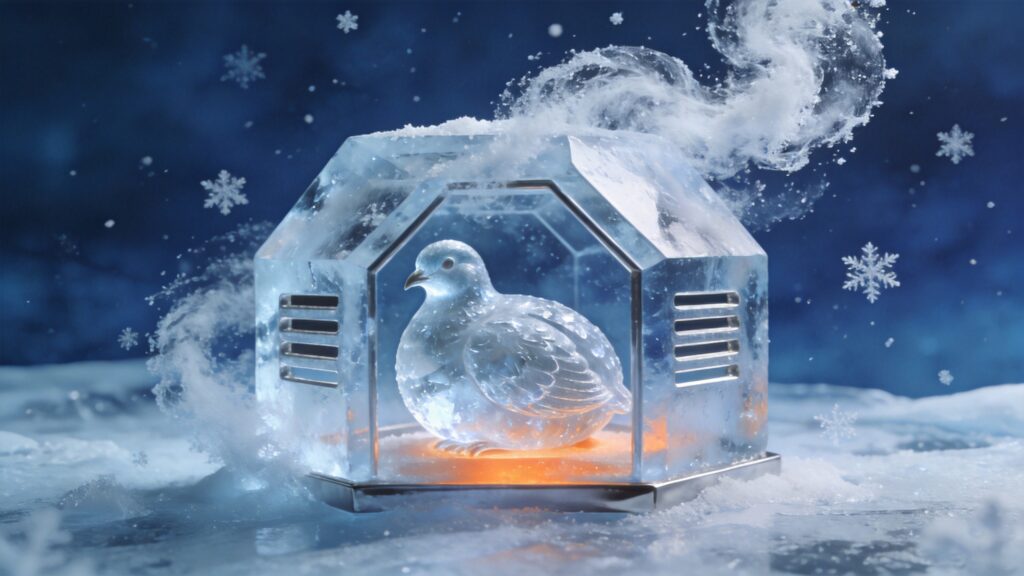
Surviving -40°F: A Complete Guide to Raising Quail in Extreme Cold
Raising quail in climates where winter temperatures drop to -40°F (-40°C) is no small feat. While these hardy birds can tolerate cold better than chickens, they require deliberate management to survive and thrive. This guide offers practical, tested strategies for insulation, moisture control, nutrition, and lighting—so your flock stays healthy and productive through the harshest months.
Why Extreme Cold Is a Real Threat to Quail
Quail are native to warmer regions, and even domesticated breeds like Coturnix have limited cold tolerance. At -40°F, unprotected birds can suffer from frostbite on their feet, combs, and wattles, and hypothermia sets in quickly. The biggest killers in winter are not just temperature, but drafts and moisture. A dry, draft-free coop at 20°F is safer than a damp, breezy one at 40°F. Understanding these basics sets the foundation for all the interventions below.
Insulating the Coop Without Suffocating Your Birds
Insulation traps body heat and reduces the temperature swing between day and night. But too much air sealing leads to condensation—a deadly combination in extreme cold. Here’s how to strike the balance.
Deep Bedding: The DIY Heater
Deep litter bedding is the cheapest, most reliable insulation method. Use pine shavings or straw, building a layer 6 to 8 inches thick. The bedding composts slightly, generating gentle heat. In -40°F weather, we’ve seen this raise coop floor temperature by 10–15°F compared to outside. Replace only the top soiled layer every few weeks; leave the bottom to build up through winter.
Heat Mats vs. Ceramic Bulbs: Which Works Best?
Supplemental heat may be necessary below -20°F. Two common options:
- Heat mats (radiant floor heat): Placed under a section of the coop floor or inside a hide box. They warm birds from below, reducing frostbite risk on feet. A 50-watt mat can cover a 2×2-foot area. Best for small coops.
- Ceramic heat bulbs: Emit infrared heat without light, so they don’t disrupt sleep cycles. Use a 100-watt bulb in a ceramic socket, mounted at least 18 inches above the bedding. Ideal for larger coops but increases fire risk. Always use a thermostat controller.
Neither should heat the entire coop to 70°F—just provide a warm zone where birds can retreat. Aim for a spot temperature of 40–50°F in the warm corner, while the rest of the coop stays near freezing.
Building Draft-Free Ventilation
A still bird loses heat faster than one in still air, but stale air brings moisture and ammonia. The solution: controlled cross-ventilation. Install a small intake vent near the roof on the leeward side (to block snow) and an outlet vent on the opposite side. Use adjustable baffles to regulate airflow. A good test: hold a lit incense stick near the vent; smoke should drift slowly out, not be sucked in. Add a hardware cloth cover to prevent predators.
“I learned the hard way that sealing the coop tight to keep cold out actually killed more birds than the cold itself. My first winter at -30°F in Minnesota, I got condensation icing on the walls and lost half my flock to respiratory infections. Vents are non-negotiable.” — Mark T., backyard quail keeper, North Dakota.
Moisture Management: The Hidden Winter Killer
When temperatures plummet, any moisture inside the coop turns to frost on surfaces, then drips down, soaking bedding. Wet bedding leads to frostbite and disease. Here’s how to keep things dry:
- Use shallow waterers and change water twice daily to prevent spills.
- Add a deep layer of dry straw on top of the pine shavings—straw wicks moisture better.
- Place a small container of silica gel cat litter in a breathable bag near the waterer; it absorbs ambient humidity.
- If you use a heat source, position it to create air movement; warm air holds more moisture and will exit through the vent.
Monitor condensation daily. If you see icicles on nails or frost on the ceiling, you need more ventilation or less moisture production.
Winter Nutrition: Fueling the Internal Furnace
Quail at -40°F need up to 30% more energy just to maintain body temperature. Adjusting their diet is critical.
Increase Protein and Fat
Switch from standard layer feed (16–18% protein) to a game bird grower or turkey starter with 24–28% protein and higher fat. Supplement with black oil sunflower seeds, mealworms, or a splash of cracked corn (but only 10% of total diet to avoid obesity). Provide a separate dish of oyster shell for calcium, especially if you want eggs.
Hydration Without Freezing
Water freezes fast. Options:
- Use a heated pet bowl (thermostat-controlled, 12-volt DC for safety). Place it on a riser to prevent bedding from soaking.
- Replace frozen waterers with warm water (110°F) three times per day. Birds drink more when water is lukewarm.
- Add a splash of apple cider vinegar (1 teaspoon per quart) to lower the freezing point slightly and improve gut health.
Check water every 2–3 hours during extreme cold—frozen water for 6 hours can be fatal.
Lighting and Egg Production Through the Dark Season
Quail need 14–16 hours of light to lay consistently. In winter, natural daylight drops to 6–8 hours, so supplemental lighting is essential for winter eggs. But light + heat = caution.
Safe Lighting Setup
Use a cool-white LED bulb (5–10 watts) on a timer. LEDs emit less heat than incandescents, reducing fire risk and heat stress on birds. Mount the bulb out of reach—birds may jump and break it. Set the timer for 16 hours total (e.g., 6:00 AM to 10:00 PM), but never increase day length suddenly; step up by 15 minutes per day to avoid egg binding.
When to Expect Fewer Eggs
Even with perfect light, quail naturally slow laying in extreme cold because their bodies prioritize survival. Don’t expect 90% production at -40°F. A healthy flock may drop to 40–50%. To maximize: keep the warm zone around 45°F, provide high-protein feed, and ensure they have fat reserves. Some keepers find that using a ceramic heat bulb that doubles as a low-level light source (invisible to humans but visible to birds) helps—but never use red bulbs, which disrupt circadian rhythms.
Below is a quick comparison of lighting types for winter quail coops:
| Light Source | Heat Output | Cost per Month | Safety |
|---|---|---|---|
| LED (cool white) | Very low | $1–2 | Excellent (cool to touch) |
| Compact fluorescent | Low-moderate | $2–3 | Good (breakable) |
| Ceramic heat bulb | High (IR) | $8–12 | Fair (fire risk if contact with bedding) |
| Incandescent | High | $5–8 | Poor (hot surface, fire hazard) |
Real-World Case: Raising Quail at -40°F in Rural Alaska
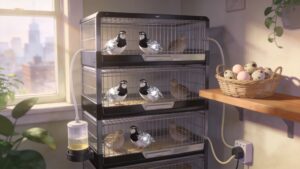
Elena, a homesteader in Fairbanks, keeps 30 Coturnix quail in a small insulated shed. She uses a combination of strategies: 8 inches of deep pine shavings, a 50-watt heat mat under a cardboard hide box (lined with straw), and a single 10-watt LED on a timer. Her coop has two 2-inch PVC vents—one high, one low—with 45-degree elbows facing down to block snow. She feeds a homemade mix (75% game bird feed, 15% oats, 10% black oil sunflower seeds) and offers warm water every 4 hours. Elena reports 55% egg production even at -40°F, with zero frostbite. Her key advice: “Don’t overheat the coop. Let the birds adapt gradually; they are tougher than you think if you keep them dry and give them a warm spot to retreat to.”
Conclusion
Raising quail in -40°F is challenging but absolutely achievable. Focus on a dry, draft-free coop, deep bedding for passive heat, supplemented with safe heat sources only where needed. Boost nutrition and hydration, manage lighting carefully, and monitor moisture daily. Your flock will reward you with eggs and resilience even in the darkest, coldest months. Start preparing before the first frost—your quail’s lives depend on it.