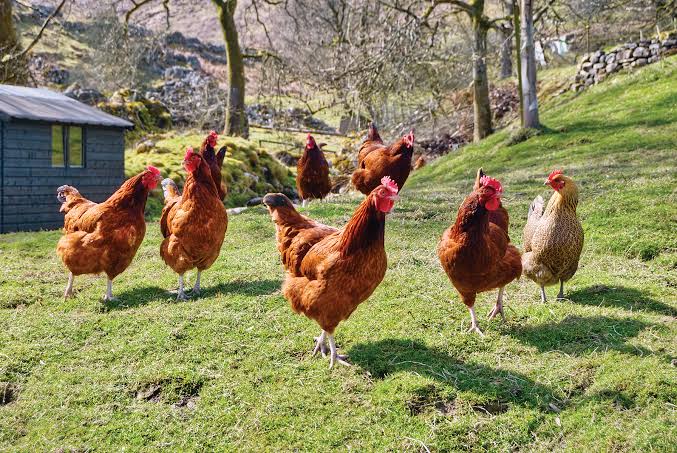
You do not need a large farm to keep chickens. A small backyard can support a healthy flock when the birds, housing, and flock size are chosen carefully.
For small-property chicken keepers, however, breed selection matters. A large, highly active breed may require more room than you can comfortably provide, while a smaller or calmer breed may fit better into a compact backyard.
The goal is not simply to find the smallest chicken available. You need to balance egg production, temperament, body size, activity level, space requirements, and local regulations.
Before buying chicks, think about what you want from your flock and how much space you can realistically dedicate to it.
How Much Space Do Backyard Chickens Need?
There is no single space number that works for every chicken-keeping situation.
Recommendations can vary depending on whether chickens have access to a secure outdoor run, how much time they spend free-ranging, the climate, flock size, and local regulations.
A chicken coop needs enough room for birds to move, perch, eat, drink, and access nesting boxes without constant crowding. The outdoor run also needs to provide enough space for normal behaviors such as scratching, foraging, dust bathing, and resting.
In a small backyard, overcrowding is one of the biggest problems to avoid.
A smaller flock with adequate space is generally more practical than trying to squeeze too many chickens into a limited area.
1. Australorp: A Balanced Choice for Small Flocks
Australorps can be an appealing choice when you want productive layers without choosing an extremely active breed.
They are medium-to-large chickens, so they are not miniature birds, but their generally calm temperament can make them manageable in a backyard setting.
Australorps are known for useful egg production and are often considered relatively easygoing.
For a small property, their combination of productivity and temperament can be more important than simply choosing the smallest possible breed.
If your goal is a modest flock that provides a dependable supply of eggs while remaining relatively calm, Australorps are worth researching.
2. Orpington: Calm but Larger
Orpingtons are popular backyard chickens because of their generally calm temperament and attractive appearance.
They are larger birds, which means you need to account for their body size when planning a compact coop and run.
Their relaxed personality can be an advantage in a smaller space. Highly active chickens may spend much of the day moving rapidly around a confined run, while calmer birds may be easier to manage.
Orpingtons can also provide useful egg production.
The trade-off is simple: they are not small chickens. If your backyard is extremely limited, their larger body size should be considered before choosing them.
3. Plymouth Rock: A Practical Backyard Breed
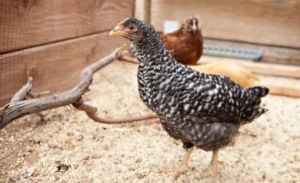
Plymouth Rocks, particularly Barred Rocks, are classic American backyard chickens.
They can provide a useful combination of egg production, practical body size, and generally manageable temperament.
They are active enough to enjoy foraging but are not typically considered an extremely specialized or delicate breed.
For a small homestead or suburban backyard, Plymouth Rocks can be a practical middle-ground option.
They are also useful for mixed flocks because their general characteristics fit well with other traditional backyard breeds.
4. Bantams: When Space Is Extremely Limited
If your primary challenge is limited space, consider bantam chickens.
Bantams are generally smaller than standard-sized chickens, although exact size and characteristics vary among varieties.
Smaller birds can make it easier to create a compact housing system, but “smaller” does not mean “no space required.”
Bantams still need adequate room to move, forage, dust bathe, perch, and interact with other chickens.
They can also have different personalities and flight abilities from larger breeds.
If your backyard has a very small run, bantams may be worth researching, but do not use their smaller body size as an excuse for overcrowding.
5. Silkies: Small and Ornamental
Silkies can be attractive for small backyard flocks because of their relatively small size and generally gentle personality.
They are primarily known for their unusual fluffy feathers and ornamental appearance rather than exceptional egg production.
This makes them a good choice for someone who wants backyard chickens partly as companion animals.
One important consideration is that their unusual feathers provide different protection from weather compared with normal chicken feathers. They may need more attention in wet or cold conditions.
Silkies can also be strongly broody, so they may not be the most efficient choice if your only objective is maximizing egg production.
6. Sebrights: Small but Highly Ornamental
Sebrights are another small chicken that may appeal to keepers with limited space.
Their intricate laced feathers give them a distinctive appearance, and their small body makes them visually different from standard-sized backyard breeds.
However, Sebrights are primarily ornamental.
If you need a flock to supply most of your household’s eggs, you may want to combine ornamental bantams with more productive laying breeds.
This is an important principle for small backyard chicken keeping: choose each bird according to the job you want it to perform.
Activity Level Matters in a Small Run
Body size is only one part of space requirements.
A highly active chicken can place more pressure on a small run because it spends much of the day scratching, foraging, moving, and exploring.
Calmer breeds may be easier to manage in a compact environment, although every chicken still needs enough room for normal behavior.
When choosing breeds, research both size and temperament.
A small but extremely active bird is not automatically easier to keep than a larger, calm bird.
What About Flying and Jumping?
This is another consideration that small-backyard keepers sometimes overlook.
Some chickens are surprisingly good at flying or jumping, particularly lighter breeds and many bantams.
If your property has low fencing, birds may escape into neighboring yards, gardens, streets, or areas where they could encounter predators.
Before choosing a breed, consider how high your fencing is and whether the run needs a secure roof.
A covered run can help prevent both escapes and attacks from aerial predators.
How Many Chickens Should You Keep?
Your backyard size should influence flock size.
If you only have a small amount of usable outdoor space, keeping a few hens may be more appropriate than trying to maintain a large flock.
Start with your household’s actual egg consumption.
If your family uses a dozen eggs a week, you may not need a large number of hens. If you regularly use several dozen eggs, you will need a different plan.
Also remember that egg production changes with age, season, daylight, health, and individual birds.
A small flock can provide plenty of eggs without turning your backyard into an overcrowded chicken yard.
Check Local Rules Before Buying Chickens
Space is not the only limitation.
Many U.S. cities and municipalities have rules governing backyard poultry. Depending on where you live, regulations may address:
- Maximum number of chickens
- Whether roosters are allowed
- Coop placement
- Minimum setbacks from property lines
- Distance from neighboring residences
- Sanitation requirements
- Permit or registration requirements
Some homeowners’ associations may have additional restrictions.
Do not assume that because a neighbor has chickens, you can automatically keep them too.
Check the current rules for your specific property before purchasing birds. Regulations can change, and requirements may differ between neighboring cities.
Small Backyard Does Not Mean Small Expectations
A compact property can still support a rewarding flock, but planning becomes more important.
Think about where the coop will go, where the run will be located, how feed and water will be protected, and how you will clean the area.
Consider the noise level as well.
A rooster can be a significant source of noise, and hens also make normal chicken sounds. If you live close to neighbors, an all-hen flock may be easier to manage from a noise perspective, assuming local regulations allow it.
Predator protection is another priority. A small backyard does not mean predators are absent.
Which Breed Fits Your Small Backyard?
If you want productive, relatively calm layers, Australorps and Plymouth Rocks are worth considering.
If you prioritize gentle temperament and appearance, Orpingtons may fit your goals, provided you have enough room for larger birds.
If your main concern is smaller body size, bantams such as Silkies or Sebrights can be researched.
If you want a combination of practical and ornamental chickens, consider a mixed flock rather than expecting one breed to meet every goal.
Final Thoughts
Choosing chickens for a small backyard is really a space-management decision.
You need to consider more than body size. Egg production, temperament, activity level, flying ability, weather tolerance, and flock size all affect whether a breed will work well on your property.
Australorps and Plymouth Rocks can offer practical combinations of eggs and manageable temperament. Orpingtons provide a calm option but require more room because of their size. Silkies and Sebrights can work well for keepers who prioritize smaller ornamental birds, although their egg production and care requirements differ from standard laying breeds.
Most importantly, do not choose your flock before checking local regulations. Chicken limits, rooster restrictions, coop setbacks, and property requirements can determine whether your plan is allowed in the first place.
A successful small-backyard flock is not about fitting the maximum number of chickens into the minimum amount of space. It is about keeping a manageable number of birds that have enough room to behave normally, while choosing breeds that match your goals and your property.
Start with your available space, decide how many eggs you need, check your local rules, and then choose the breeds that fit those constraints. That approach can make backyard chicken keeping much easier from the beginning.