Buying a chicken coop can feel like the first exciting step toward raising backyard chickens. You may already be comparing wooden coops, walk-in runs, nesting boxes, and predator-proof designs. But there is one important step that should come before you place an order: check your local chicken laws.
Backyard chicken rules vary widely across the United States. A property that allows several hens may be subject to completely different rules a few miles away. Some cities limit the number of chickens, prohibit roosters, require specific setbacks, or require permits. Homeowners associations may also impose additional restrictions.
The biggest mistake beginners make is buying a coop first and discovering later that their planned location, flock size, or structure does not comply with local requirements.
Before spending money, ask your city or county these 10 questions.
1. Are Chickens Allowed on My Property?
Start with the most basic question: Are backyard chickens legally allowed at my address?
Do not assume that chickens are permitted simply because you live in a house with a backyard. Local zoning regulations can distinguish between residential, agricultural, mixed-use, and other property classifications.
Ask your city planning or zoning department whether keeping chickens is allowed on your specific lot.
If chickens are not allowed under your current zoning classification, buying a coop will not solve the problem. You may need special approval, a zoning variance, or another legal authorization—or chickens may simply not be permitted.
2. How Many Chickens Can I Keep?
If chickens are allowed, the next question is flock size.
Many local regulations place a limit on the number of chickens a household can keep. The limit may depend on factors such as lot size, zoning district, or whether the chickens are considered pets or livestock.
Ask:
- What is the maximum number of hens?
- Does the limit include chicks?
- Are roosters counted separately?
- Does the number change with property size?
- Are there different rules for urban and rural properties?
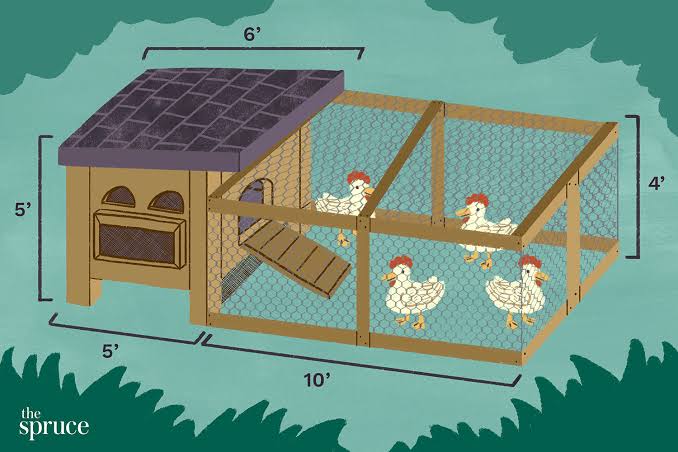
This information matters when choosing your coop. A small coop designed for four hens may be appropriate in one jurisdiction but insufficient if you are legally allowed to keep a larger flock.
3. Are Roosters Allowed?
Never assume that keeping hens automatically means you can keep a rooster.
Roosters are frequently subject to additional restrictions because of noise. Some communities prohibit them in residential areas, while others allow them under certain conditions.
If you want a rooster for breeding or flock protection, specifically ask your local government whether roosters are allowed.
Also ask whether there are separate noise regulations. A rule may technically allow a rooster while still requiring residents to comply with general nuisance or noise ordinances.
If your primary goal is fresh eggs, you usually do not need a rooster. Hens can lay eggs without one.
4. What Is the Required Coop Setback?
One of the most important questions to ask before purchasing a coop is: How far must the coop be from property lines, homes, streets, or other structures?
This is known as a setback requirement.
For example, local rules may require a chicken coop to be located a certain distance from a neighboring property line or dwelling. The exact requirements can vary significantly between jurisdictions.
Do not measure only the size of the coop itself. Consider the entire planned setup, including:
- Coop
- Chicken run
- Fencing
- Covered areas
- Feed storage
- Other structures
Draw a simple property diagram before buying a large coop. This can help you determine whether your preferred location can meet the required setbacks.
5. Do I Need a Permit?
Some jurisdictions require a permit for backyard chickens, while others may require registration instead.
The terminology matters because a permit and registration are not necessarily the same thing.
Ask your city or county:
- Is a chicken-keeping permit required?
- Is registration required?
- Is there an application fee?
- Does an official inspect the property?
- Does approval need to happen before chickens arrive?
- Does the permit expire?
- Is renewal required?
If the coop itself qualifies as a regulated accessory structure, you may also need to ask about building permits.
Do not assume that a chicken permit automatically covers construction requirements.
6. Does Lot Size Matter?
Your property’s size may affect how many chickens you can keep or where the coop can be placed.
A local ordinance may establish different requirements for smaller and larger lots. Some rules may also distinguish between properties in densely developed neighborhoods and larger residential or agricultural parcels.
Give the zoning department your actual property address and ask them to confirm the rules for your lot.
If you are planning to purchase a property specifically for backyard chickens, check this information before closing rather than assuming that a large backyard automatically means more chickens are allowed.
7. Are There Requirements for the Coop or Run?
Local laws may regulate more than just the number of chickens.
Ask whether there are requirements concerning the construction or maintenance of the chicken housing.
Potential issues can include:
- Secure fencing
- Predator protection
- Ventilation
- Sanitation
- Drainage
- Waste management
- Enclosures
- Feed storage
- Protection from neighboring properties
Even when a city does not have detailed coop specifications, general animal-control or nuisance rules may still apply.
A good coop should therefore be designed for both chicken welfare and legal compliance.
8. Are There Rules About Odor, Noise, or Waste?
A backyard chicken setup can create complaints if waste, feed, or noise is poorly managed.
Ask your city whether general nuisance regulations apply to backyard poultry.
Find out how manure and other waste should be handled and whether there are rules regarding odors, sanitation, pests, or excessive noise.
This is especially important if your property is close to neighbors.
Legal compliance is not just about getting permission to own chickens. You may also have an ongoing responsibility to keep the flock and property from creating a public nuisance.
9. Does My HOA Have Additional Restrictions?
City approval may not be the only requirement.
If you live in a homeowners association, condominium association, planned community, or similar development, review the governing documents before buying chickens.
Look for terms such as:
- Poultry
- Livestock
- Animals
- Pets
- Outbuildings
- Nuisance
- Fencing
- Architectural approval
An HOA may impose private restrictions that are different from municipal zoning rules.
Ask the HOA or property management company for the current written rules rather than relying on what a neighbor says.
10. Can I Get the Rules in Writing?
Finally, ask for written confirmation of the applicable requirements.
A phone conversation can be helpful, but regulations can be complicated. Written information gives you something you can review later when planning your coop.
Save copies of:
- Zoning information
- Permit requirements
- Applications
- HOA rules
- Property diagrams
- Approval documents
- Relevant correspondence
If different departments provide conflicting information, ask which department has authority over the specific issue and request clarification.
The Pre-Coop Purchase Checklist
Before ordering a chicken coop, make sure you can answer these questions:
☐ Are chickens allowed on my property?
☐ How many hens can I keep?
☐ Are roosters allowed?
☐ What setback applies to the coop and run?
☐ Do I need a permit or registration?
☐ Does my lot size affect the rules?
☐ Are there construction requirements for the coop?
☐ Are there sanitation, odor, noise, or waste rules?
☐ Does my HOA allow backyard chickens?
☐ Can I obtain the applicable requirements in writing?
Final Thoughts
A chicken coop is a physical purchase, but backyard chicken ownership begins with a legal question: What does your local government allow?
Rules can differ by city, county, zoning district, property size, and neighborhood. Even two homes in the same general area may be subject to different requirements.
The safest approach is simple: check first, buy second.
Once you know the permitted flock size, rooster rules, setback requirements, permit obligations, and HOA restrictions, you can choose a coop that actually fits your property and your legal requirements. A few minutes of research before purchasing can prevent the much bigger expense and frustration of having to move, modify, or replace a coop later.
Backyard chickens can be a rewarding addition to a home, but successful chicken keeping starts with planning. Make sure your coop fits not only your chickens—but also your property and your local rules.