Quail have surged in popularity as backyard pets, often marketed as quiet, low-maintenance mini-chickens. But before you rush to order a cage and a dozen eggs, it’s crucial to understand the stark reality. This article unpacks the hidden downsides of quail ownership—mess, fragility, aggression, and cost—to help you decide if these birds truly fit your lifestyle.
The Mess Factor: More Than Just a Little Dust
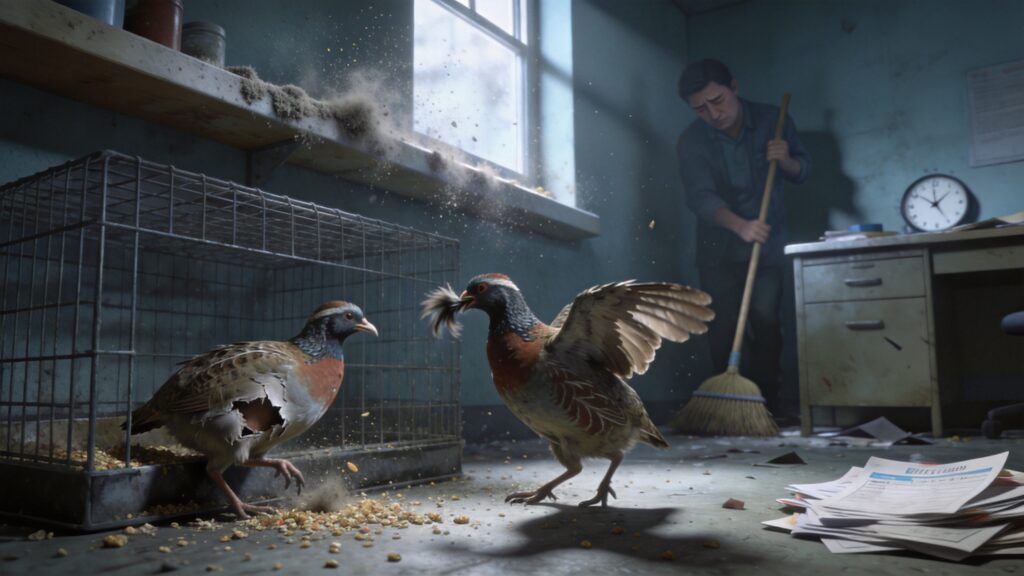
First-time quail owners are often blindsided by the sheer volume of waste these small birds produce. A single coturnix quail can generate waste equivalent to a chicken a third its size, but because quail are ground-dwelling and prone to kicking, their droppings get pulverized into a fine, ammonia-rich dust that coats everything within a five-foot radius. Expect to find a layer of grayish powder on nearby shelves, windowsills, and even your own clothes after just 24 hours without a full enclosure scrub.
Beyond the dust, quail are notorious for flinging food and water. Their enthusiastic scratching turns a simple feeder into a projectile corn launcher. One owner told me her quail managed to scatter feed into a neighbor’s yard through a gap in the garage door. The cumulative effect is a constant state of low-level cleaning that never ends. If you value a spotless home or have allergies, this alone can be a dealbreaker.
“I spent more time sweeping and wiping down enclosures than I did actually watching my quail. The dust gave me sinus infections even with a mask on. Within three months, I rehomed them.” — Rebecca T., former quail keeper, via a poultry forum
Compare this to chickens: while chickens produce more bulk manure, it stays relatively solid and can be easily composted. Quail manure is wetter, smellier, and requires frequent removal to prevent respiratory issues in the birds—and in you. A deep litter method is nearly impossible with quail because their waste doesn’t break down fast enough before becoming a health hazard.
Fragility and Health Challenges: The Delicate Nature of Quail
If you’re looking for a hardy pet that can withstand a few bumps, look away. Quail are unbelievably fragile. Their bones are hollow and paper-thin, and a startled flight into the cage ceiling can snap a neck or shatter a wing. Even routine handling requires a technique that most beginners lack: you must scoop them from beneath, supporting the entire breast and legs, or risk fatal internal injuries.
Disease vulnerability is another shocker. Quail are hypersensitive to coccidiosis, avian influenza, and even sudden temperature swings. Unlike chickens, which can tolerate a 20°F drop overnight, quail become listless and stop laying if the temp varies more than 10°F. A draft from an open window can wipe out a whole covey in 48 hours. And because quail are not as widely kept as chickens, most avian vets have limited experience with them; emergency care often means a drive to a university teaching hospital, if you can find one.
To illustrate the mortality rate, here’s a simple comparison:
| Aspect | Chickens (Laying Hen) | Coturnix Quail |
|---|---|---|
| Annual mortality (typical backyard) | 5–10% (predation excluded) | 30–50% (including accidents, illness) |
| Age at peak fragility | Chicks only first 2 weeks | Entire lifespan (especially during handling) |
| Common fatal accident | Predator attack | Window strike, cage lid drop, handling |
These numbers aren’t exaggerations—they come from breeder surveys. If you plan to let your quail roam indoors, prepare for broken legs from sliding glass doors or even a dog’s playful paw that feels like a sledgehammer to a quail. The emotional toll of losing pet after pet is a valid reason to reconsider.
Aggression and Social Dynamics: Not Always Peaceful
You might imagine a fluffy flock of quail peacefully pecking together. Reality is far more brutal. Male quail are fiercely territorial, and unless you maintain a strict ratio of one male to every three or four females, you’ll witness relentless fighting. They’ll grab each other by the neck feathers, bald one another’s heads, and—in confined spaces—literally kill the loser. Even females can be aggressive when overcrowded, pecking at the weakest member until it bleeds.
The aggression extends to humans in a peculiar way: quail are not naturally docile. They’re hardwired to flee, and when cornered, they may lunge and bite—not painful, but startling. You can’t “tame” a quail the way you can a chicken by hand-feeding treats. Their nervous system is so geared toward flight that any attempt to force bonding only stresses them. I once spent two months trying to hand-tame a single button quail; it ended with her dropping dead from heart failure during a quiet morning lap-sitting.
Breeding aggression adds another layer. Unlike chickens, where a rooster’s crow can be managed, male quail fight even for dominance in the breeding season. If you keep more than one male, you’ll need separate enclosures or risk daily casualties. The only way to have a peaceful flock is to keep females only or a very carefully balanced male-to-female ratio—and accept that peace may last only until the next molt.
Time and Financial Commitment: A Surprising Burden
Let’s cut through the myth of “they’re just like chickens but smaller.” Quail actually require more daily time per bird than chickens because of their mess and fragility. Here’s a breakdown of the commitment:
- Daily: 10 minutes for feeding and watering (plus spot-cleaning droppings board), 5 minutes for checking health (inspect vent, eyes, feet). Total: 15 minutes minimum.
- Weekly: 45 minutes for a deep clean of the enclosure (scrape, disinfect, replace bedding). With chickens, a deep litter system can stretch this to every 2-3 weeks.
- Monthly: 2 hours for rotating feeders, trimming overgrown nails (yes, quail nails grow fast and can curl into their pads), and checking for mites.
Financially, quail are not cheap either. A decent wire-bottom cage costs $100–$300 (you cannot use chicken coops because quail need fine mesh to prevent escape and head injuries). Feed runs $20–$30 per month for a dozen birds—comparable to chickens but on a smaller scale, so less value. Veterinary bills, however, are enormous per bird because few vets treat them. A single visit for an injured quail can easily cost $80–$150, and that’s before any surgery or medication.
Contrast with chickens: a used $50 coop, $15/month feed, and a local poultry vet who charges $40. The financial ratio is stark. Worse, quail produce fewer eggs per bird (about 250–300 per year vs. a laying hen’s 300–320) and those eggs are tiny—five quail eggs equal one chicken egg. If your goal is breakfasts, you’ll need a lot more birds, which multiplies the cost and mess.
- Weekly time estimate (flock of 6 quail vs. 6 chickens)
- Quail: ~1.5 hours. Chickens: ~20 minutes (assuming deep litter and auto-waterer).
- Initial setup cost (cage/coop, feeders, waterers)
- Quail: $150–400. Chickens: $80–250 (coop often can be built cheaper).
- Monthly feed cost (per bird)
- Quail: ~$3.50. Chickens: ~$2.50 (due to bulk pricing).
The bottom line: if you’re short on time or budget, quail are a worse choice than chickens. They are not a “starter livestock” for busy households.
Interaction and Bonding: A Limited Connection
Many people get pets for companionship, but quail offer virtually no interactive affection. They do not recognize humans as caregivers; they see you as a giant predator. Even after months of careful feeding, a quail will panic and run if you approach. Compare this to a chicken that will hop into your lap for a scratch or a rabbit that comes when called. Quail are essentially ornamental livestock with a side of egg production.
You can’t train them. You can’t free-range them safely (they’ll fly straight into a fence or get eaten by a hawk in seconds). Their vocalizations are quiet—clicks and soft purrs—but they convey alarm and submission, not joy. For children, this can be deeply disappointing. I’ve seen kids try to “play” with quail and end up in tears after the bird self-harmed from stress.
If you’re looking for a pet to handle, cuddle, or teach tricks, quail will frustrate you. Even the most patient owner sees them as “delicate produce machines.” The only exception might be a single hand-raised button quail, but those are even more fragile and have shorter lifespans (2–3 years versus 3–5 for coturnix).
Alternatives to Consider: Other Poultry or Small Livestock
If after reading this you’ve decided quail aren’t for you, don’t despair. Plenty of small livestock offer a better balance of interaction, hardiness, and manageable mess.
- Chickens (Bantam or Standard): More sociable, handle roughhousing from kids, tolerate temperature swings, and produce larger eggs. Downsides: louder (roosters crowing) and require a sturdy outdoor coop. If you have a small yard, bantam hens are quiet and friendly.
- Rabbits: Cleaner than quail (litter trainable), can be housed indoors or in a small hutch, very affectionate, and require minimal time—20 minutes daily. They don’t lay eggs, but provide manure for gardening and can be a wonderful pet for children.
- Guinea Pigs: Even smaller cage footprint, very tame, love being held, and produce dry, easy-to-clean pellets. They’re quiet, social, and have a lifespan of 5–7 years. Great for apartment dwellers who want a “cuddly” pet.
- Pheasants or Guinea Fowl: If you want beautiful feathers and bug control, these are hardier than quail but require more space. They are also less prone to self-injury if given a proper aviary.
- Ferrets: Not poultry, but a playful, interactive option for someone willing to invest in enrichment. They need more work than quail but reward with genuine bonding.
Each alternative has its own trade-offs, but all are less fragile, more interactive, and more forgiving than quail. The key is to choose a pet that matches your available time, emotional expectations, and ability to handle inevitable losses.
Conclusion: Look Before You Leap into a Quail-Centric Life
Quail are beautiful, productive, and uniquely suited to a niche of owners who prioritize egg yield over companionship, cleanliness, or low stress. But for the average pet enthusiast, their mess, fragility, aggression, and minimal bonding make them a poor fit. If you still want quail after this deep dive, start with two rescued females from a local breeder—and triple-check your preparedness. Otherwise, a friendly hen or a soft rabbit might bring you far more joy.