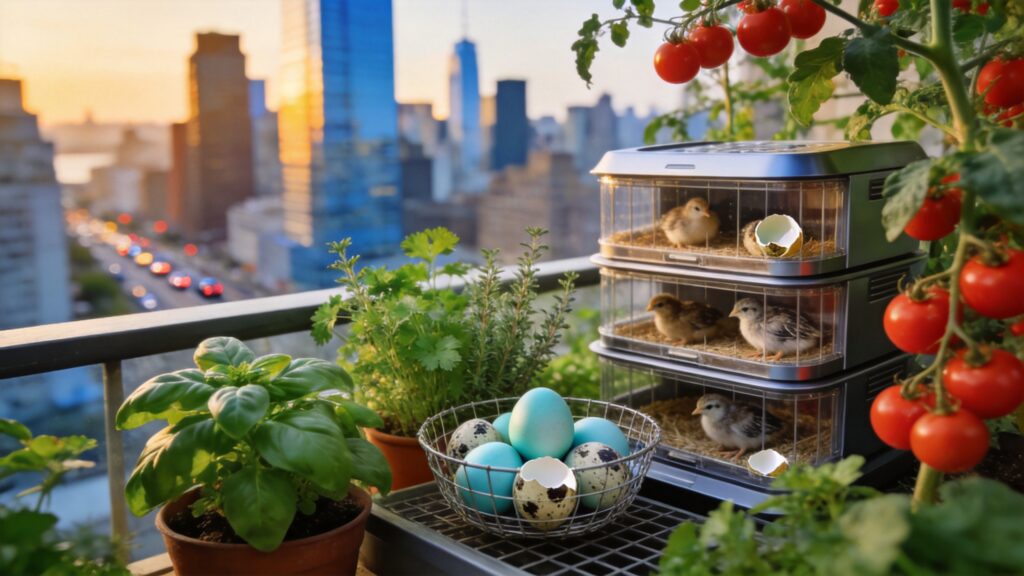
Backyard quail keeping is rapidly evolving from a niche hobby into a cornerstone of the urban sustainable food movement. With a tiny footprint, quiet demeanor, and lightning-fast productivity, quail offer city dwellers a practical path to fresh protein without the space demands of chickens. As climate pressures and food supply disruptions intensify, these small birds are poised to reshape how Americans think about local food—right from their own patios and balconies.
The Urban Exodus to Quail
In dense cities like New York, Los Angeles, and Chicago, zoning codes have long limited or banned roosters and larger poultry due to noise and space constraints. Quail, however, sidestep nearly every barrier. A single quail requires only about one square foot of floor space, and their soft cooing and trilling—never a crow—keep neighbors happy. This has sparked a surge in urban quail keeping that shows no sign of slowing.
Why Quail Win in Tight Spaces
Quail reach sexual maturity in just six to eight weeks, meaning an urbanite can hatch eggs in an incubator and be collecting fresh eggs within two months. Compare that to chickens, which need four to six months and far more room. Moreover, quail eggs are nutrient-dense: they offer 3–4 times the vitamin B12 and iron of chicken eggs per gram, a fact that resonates with health-conscious consumers and foodies alike.
“I started with six coturnix in a stacked cage system on my Brooklyn fire escape. Within three months I was giving away eggs to neighbors. Now we have a block swap network—people trade quail eggs for homegrown tomatoes. It’s the most efficient food production I know.”
— Maria T., Urban Quail Keeper, New York City
Urban farmers markets have begun featuring quail eggs as premium products, with dozens selling for $5–$8. This economic incentive, combined with the low cost of entry (a starter setup can be under $150), is driving adoption across income levels.
Genetic Improvements and Breed Diversity
The modern backyard quail is a far cry from the wild Japanese quail of a few decades ago. Dedicated breeders and small hatcheries have accelerated genetic selection, creating birds that are calmer, more productive, and better suited to confinement. This revolution in breeding mirrors what happened with heritage chickens but at a much faster pace due to quail’s short generation intervals.
Key Genetic Trends
- Egg color and shell strength: The Celadon mutation, which produces pale blue-green eggs, has been stabilized in many flocks. Beyond aesthetics, these birds often lay eggs with thicker shells—a practical advantage for shipping and handling in community egg exchanges.
- Docility and tameness: Breeders have culled flighty birds for generations, resulting in lines like “Texas A&M White” and “Golden Italian” that tolerate handling and even enjoy human interaction. This makes them ideal for families with children.
- Meat yield vs. egg focus: Dual-purpose strains now exist, but specialists have also emerged: “Jumbo Coturnix” reach 12–14 ounces by 6 weeks, while “English White” layers produce 280–300 eggs per year.
Breed Availability in North America
A decade ago, only a handful of hatcheries supplied quail. Today, online breeders, local Facebook groups, and specialty suppliers ship hatching eggs and live chicks across the U.S. The American Poultry Association still does not recognize quail in its standard, but the International Society for Quail Science and grassroots networks have stepped in to certify purebred lines. Buyers can now choose from at least a dozen breeds with predictable traits.
| Breed | Eggs/Year | Age at Maturity | Temperament |
|---|---|---|---|
| Celadon (blue egg) | 260–280 | 6–7 weeks | Calm, friendly |
| Texas A&M White | 250–270 | 6 weeks | Very docile |
| Jumbo Coturnix | 200–240 | 7–8 weeks | Active but handleable |
| English White | 280–300 | 6 weeks | Nervous, good layers |
Actionable tip: Start with a docile breed like Texas A&M White if you’re new. They forgive small husbandry mistakes and are less likely to injure themselves in a cage. For egg color enthusiasts, Celadon offers a conversation starter that sells well at markets.
Regulatory Changes and Community Impact
As urban quail keeping crosses from fringe to mainstream, cities are scrambling to update ordinances. The key battlegrounds are noise, smell, and slaughter. While quail are far quieter than roosters, a flock of 20 can still produce a noticeable background hum. And while their manure is smaller than chicken droppings, improper composting can attract flies and rodents.
What’s Changing in Municipal Codes
Several progressive cities—Portland, Oregon; Austin, Texas; and Minneapolis, Minnesota—have already passed “micro-livestock” ordinances that explicitly permit up to 20 quail per household without a permit. Other cities are considering similar measures, often with conditions:
- Mandatory minimum cage size (e.g., 2 square feet per bird)
- Distance setback from neighbors’ windows (often 10–25 feet)
- Prohibition on roosters (irrelevant for quail) and on-dwelling slaughter within city limits
However, pushback remains. Some suburban homeowners’ associations treat quail as “farm animals” banned by covenant. And in a few dense East Coast cities, health departments have cited Salmonella concerns linked to backyard poultry in general. The solution lies in proactive advocacy.
Community Networks as a Regulatory Force
The rise of urban quail clubs and online mentorship programs is smoothing the transition. For example, the City Quail Collective in Los Angeles offers free workshops on coop design, biosecurity, and composting, which help members build relationships with neighbors before any complaints arise. When regulators observe responsible, educated keepers, they are more likely to write favorable rules.
“We invited our city council member to a quail coop open house. She saw how clean it was and how kids were learning responsibility. Six months later the city exempted quail from the ‘large livestock’ ban. Education trumps fear every time.”
— David L., Co-founder of Denver Backyard Quail Alliance
Practical Steps for Legal Compliance
- 1. Check zoning and HOA rules
- Call your local planning office. Ask specifically about “poultry,” “fowl,” and “caged birds.” Some codes only ban free-range chickens, leaving quail in a legal gray area.
- 2. Start small and build a network
- Begin with 4–6 birds. Share eggs with neighbors first—goodwill preempts complaints. Join a local urban poultry Facebook group to learn from experienced keepers in your jurisdiction.
- 3. Choose an odorless setup
- Use a deep-litter method with pine shavings or a “quail tower” with a dropping tray. Change bedding weekly and keep feed sealed. A well-maintained quail coop has less smell than a cat litter box.
Conclusion
Backyard quail keeping is more than a trend—it’s a logical response to the convergence of urbanization, food insecurity, and environmental awareness. With genetic improvements making birds easier to manage and breed availability exploding, the only remaining barriers are outdated regulations and community education. By engaging proactively with neighbors and policymakers, urban quail keepers can turn a small hobby into a powerful pillar of local food resilience. The future of food is quiet, fast, and starts with a single egg.