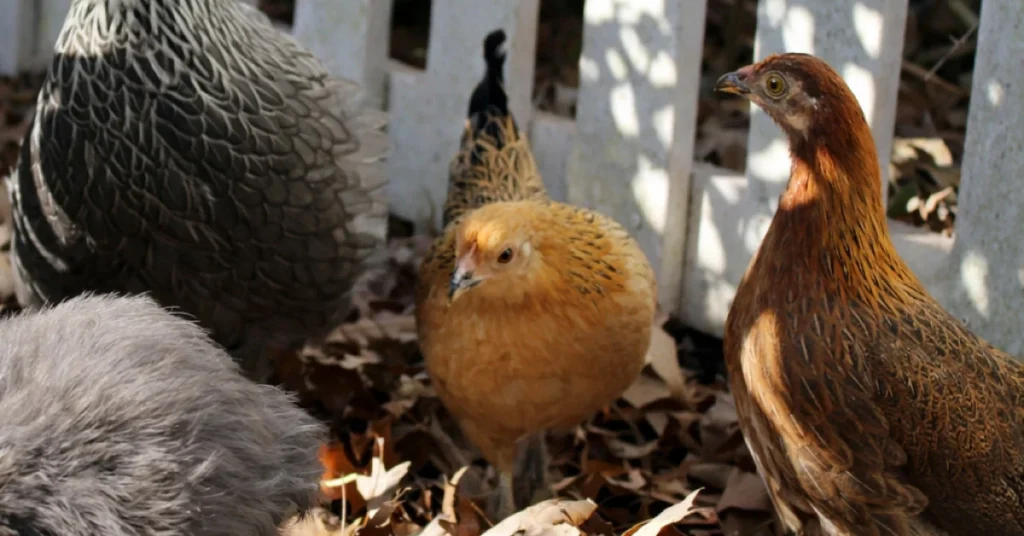
Buying your first chickens can feel like the easy part of starting a backyard flock. You find a breed you like, choose a few birds, and bring them home.
But there is an important decision to make before you place an order or visit a local seller: Should you buy chicks, pullets, or mature hens?
The best choice depends on your goals, budget, housing, available time, and comfort level with chicken care.
A day-old chick may cost less initially, but it requires a brooder and several weeks of specialized care. A started pullet costs more but allows you to skip most of the brooding stage. A mature hen may be closer to laying eggs, but her age and health become especially important.
Before buying your first chickens, ask yourself these 10 questions.
1. How Soon Do You Want Eggs?
Your timeline should influence your choice.
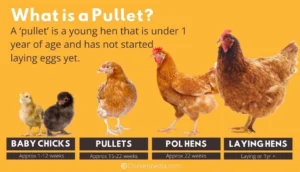
Day-old chicks are the furthest from egg production. They need to grow through the chick and pullet stages before they become mature laying birds.
Pullets are closer to laying age. A pullet around 16 weeks old may be approaching sexual maturity, although individual birds and breeds develop at different rates.
Mature hens may already be laying.
If your main goal is to enjoy fresh backyard eggs as soon as practical, consider how long you are willing to wait before choosing your birds.
Do not assume that a particular age guarantees an exact first-egg date. Breed, nutrition, season, health, and individual development can all affect laying.
2. Do You Have a Brooder?
If you are considering chicks, ask whether you have a proper brooder setup.
A brooder provides young chicks with warmth, protection, bedding, food, and water during their early development.
You may need:
- A secure brooder area
- Appropriate heat equipment
- Chick bedding
- Chick feeder
- Chick waterer
- Chick starter feed
- A thermometer
- Protection from drafts and household hazards
If you already own this equipment, raising chicks may be easier.
If you do not have a brooder and do not want to set one up, started pullets can eliminate a significant part of the process.
3. How Much Time Can You Spend Caring for Young Chicks?
Chicks require more attention than mature chickens.
You need to check their environment, make sure food and water are available, keep bedding reasonably clean, and monitor their behavior and development.
The brooder also needs to change as the birds grow. A setup that works for tiny chicks will eventually become too small.
Ask yourself honestly how much time you want to spend on this stage.
If you enjoy hands-on animal care, raising chicks can be rewarding.
If you want a simpler introduction to chicken keeping, pullets may be a better fit.
4. What Is Your Total Budget?
Do not budget only for the purchase price of the birds.
Your real chicken budget may include:
- Chickens
- Coop
- Run or fencing
- Feeders
- Waterers
- Bedding
- Feed
- Brooder equipment
- Heat source
- Electricity
- Predator protection
- Transportation
Chicks may have the lowest purchase price, but their total cost can increase after you add brooding equipment and months of feed before they begin laying.
Started pullets cost more upfront because the seller has already invested in raising them.
A mature hen may cost more than a chick but potentially provides eggs sooner.
Compare the complete cost rather than the price of one bird.
5. How Much Space Do You Have?
Your available space should influence how many chickens you buy.
Do not choose your flock size first and then try to squeeze the birds into whatever space happens to be available.
Consider the coop, outdoor run, feeding area, nesting areas, roosting space, and predator protection.
Remember that tiny chicks will not stay tiny.
A brooder that seems spacious on day one can become crowded surprisingly quickly.
Before buying chicks, pullets, or hens, think about the birds they will become—not just the size they are when you purchase them.
6. Are You Allowed to Keep Chickens Where You Live?
Local regulations are an essential part of buying chickens.
Rules vary by location. Depending on where you live, regulations may address the number of chickens allowed, coop placement, setbacks, property requirements, or roosters.
Check your local rules before purchasing birds or building a coop.
This is especially important for beginners because chicken ownership is not governed by one universal set of rules across the United States.
Knowing the rules first can prevent an expensive mistake later.
7. Do You Want a Specific Breed?
Breed choice can narrow your options.
Some beginners choose chickens based on egg color, appearance, temperament, cold tolerance, heat tolerance, size, or egg production.
If you have a specific breed in mind, day-old chicks may be easier to find than started pullets or mature hens, depending on your local market.
Local breeders may have different availability from hatcheries or feed stores.
Before purchasing, research the breed’s typical characteristics and determine whether it fits your climate, space, and expectations.
Do not choose a breed based solely on appearance.
8. Can You Handle Several Months Without Eggs?
This question is closely related to your timeline, but it deserves separate attention.
Many new chicken keepers underestimate how long they will be feeding and caring for young birds before getting eggs.
If you buy chicks, you are making a long-term investment.
You will provide feed, water, housing, and care while the birds grow.
If you are comfortable waiting, that may not be a problem.
If you are primarily interested in eggs, however, you may prefer started pullets or laying-age hens.
Think about what you actually want from your flock. If the answer is “I want the experience of raising chickens,” chicks may be perfect. If the answer is “I mainly want fresh eggs,” older birds may better match your goal.
9. Are You Prepared for Adult-Hen Health Problems?
Buying older birds does not eliminate chicken-care responsibilities.
Mature hens can develop health problems, injuries, parasites, or other issues.
When buying an adult bird, ask about her age, breed, health history, and current condition when that information is available.
Pay attention to her overall appearance and behavior.
An apparently inexpensive mature hen may not be a good purchase if she has significant health problems.
If you already have chickens, be particularly careful about introducing new birds. New additions can potentially expose an existing flock to disease, so appropriate separation and biosecurity practices are important.
10. Would Started Pullets Fit Your Lifestyle Better?
If you are still undecided, consider the middle option: started pullets.
Started pullets allow you to skip the most intensive chick stage while still starting with relatively young birds.
They can be particularly appealing if:
- You do not want a brooder.
- You want to avoid supplemental heat.
- You want to reduce early chick-care responsibilities.
- You want younger birds rather than older hens.
- You want to be closer to the laying stage.
The downside is the higher upfront purchase price.
For many beginners, however, paying more for a pullet can be a way of paying for convenience and reducing the amount of early-stage work.
Red Flags When Buying Chickens
Regardless of which type of bird you choose, inspect the chickens before bringing them home when possible.
Watch for signs such as:
- Very low activity or unusual lethargy
- Abnormal discharge around the eyes or nostrils
- Difficulty breathing
- Significant weight loss or poor body condition
- Unusually poor feather condition
- Visible external parasites
- Difficulty standing or walking
- A seller who cannot clearly explain the bird’s age or origin
One red flag does not necessarily tell you everything about a bird’s health, but multiple concerns should make you pause.
Ask questions instead of rushing into a purchase.
A responsible seller should be able to provide basic information about the birds, including their approximate age, breed, feeding program, and source when applicable.
Chicks, Pullets, or Hens: A Quick Checklist
Use this simple guide before buying:
Choose chicks if you:
- Want to raise birds from day one.
- Are comfortable setting up a brooder.
- Can wait several months for eggs.
- Want more breed-selection opportunities.
Consider started pullets if you:
- Do not want to manage a brooder.
- Want younger birds.
- Prefer less intensive early care.
- Want to get closer to the laying stage.
Consider mature hens if you:
- Want an established bird.
- Prefer not to raise young chickens.
- Want the possibility of eggs sooner.
- Are comfortable evaluating age and health.
Final Thoughts
Buying your first chickens is not simply a matter of finding the cheapest birds available.
The better question is whether the birds match your lifestyle.
Chicks require more equipment, time, and patience. Pullets cost more upfront but allow you to skip much of the brooding stage. Mature hens can provide a faster route to an established flock, but you need to pay close attention to age and health.
Before buying, evaluate your space, budget, local regulations, desired breed, timeline, and willingness to manage young birds.
Most importantly, prepare your chicken housing before the birds arrive.
A little planning can turn the decision between chicks, pullets, and hens from a confusing purchase into a straightforward first step toward a healthy backyard flock.