For many first-time chicken keepers, the idea of raising baby chicks sounds exciting—until they learn what the first several weeks actually involve.
Day-old chicks are small, delicate, and dependent on you for warmth, food, water, and protection. You need a brooder, a reliable heat source, appropriate bedding, chick starter feed, and a safe place to keep them until they are sufficiently feathered.
If your main goal is simply to keep backyard chickens and collect fresh eggs, you may not need to start at day one.
That is where started pullets come in.
A started pullet can give beginners a way to skip much of the brooding stage while still starting with relatively young chickens. For people who do not want the extra equipment, daily monitoring, and learning curve associated with baby chicks, a started pullet may be a practical alternative.
What Is a Started Pullet?
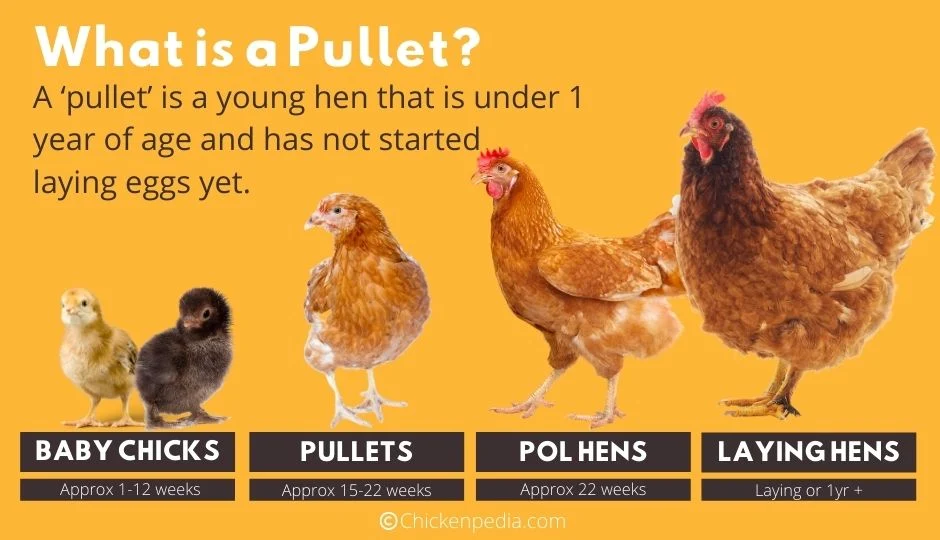
A pullet is a young female chicken that has not yet reached full maturity. The exact age used by sellers can vary, but a started pullet is generally older than a day-old chick and has already gone through much of the early growing stage.
You may see birds advertised at 12, 14, 16, or more weeks of age.
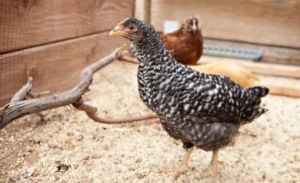
A 16-week-old pullet is particularly interesting to beginners because she is usually fully feathered and much more independent than a chick. She does not normally require the supplemental heat associated with the brooding stage.
However, age alone does not guarantee that a bird is ready for every outdoor environment. Before purchasing, ask the seller how the birds have been housed and whether they are accustomed to outdoor temperatures and conditions.
Why Skip the Brooder?
The brooder is one of the biggest differences between raising chicks and buying started pullets.
With day-old chicks, you have to create a controlled environment. Temperature needs to be appropriate for their age and gradually reduced as they develop feathers.
You also need to monitor the chicks closely. Water can become dirty quickly, bedding can become wet, and young birds can be vulnerable to chilling, dehydration, overcrowding, and other problems.
A brooder setup may include:
- A secure brooder area
- Heat source
- Chick feeder
- Chick waterer
- Bedding
- Chick starter feed
- Thermometer
- Protection from drafts and predators
None of these tasks are impossible. In fact, many chicken keepers enjoy the process. But they do add work.
With started pullets, most of this stage has already been completed.
Instead of spending the first weeks learning how to manage baby chicks, you can focus immediately on adult-style chicken care: secure housing, proper feed, clean water, predator protection, and flock management.
The 16-Week Pullet Advantage
Why do beginners often consider pullets around 16 weeks old?
One reason is timing.
At this stage, a pullet is approaching sexual maturity, although the exact timing of first egg production varies by breed, individual bird, nutrition, season, and other factors.
That means you may be much closer to your first eggs than you would be with day-old chicks.
But it is important not to treat 16 weeks as a guaranteed “first egg” date.
Some pullets may begin laying earlier, while others take longer. Some breeds naturally mature more slowly than others.
Think of a 16-week-old pullet as a bird that is approaching the laying stage—not a chicken with a guaranteed egg-production schedule.
What Do You Need After Buying Pullets?
Skipping the brooder does not mean you can buy chickens and put them anywhere.
You still need a proper chicken setup before your pullets arrive.
Start with a secure coop that protects birds from rain, wind, extreme weather, and predators. The coop should have suitable roosting areas and nesting space.
You also need reliable access to clean water and appropriate feed.
Because pullets are no longer tiny chicks, their nutritional requirements are different from those of newly hatched birds. Ask the seller what they have been eating and make dietary changes gradually rather than switching everything immediately.
Your run also needs appropriate fencing and predator protection.
Before purchasing birds, inspect the entire setup. Check for gaps where predators might enter, weak fencing, exposed food, and places where chickens could become trapped.
Started Pullets vs. Laying Hens
A started pullet and a mature laying hen are not exactly the same purchase.
A laying hen is already mature and may already be producing eggs. A pullet is younger and may still have some growing to do.
That creates a trade-off.
If you buy a laying hen, you may get eggs sooner. But you need to pay attention to her age because laying performance changes over a chicken’s productive life.
With a younger pullet, you are buying more future laying potential, but you may have to wait for her first eggs.
For a beginner, a started pullet can therefore sit between the two choices: you avoid the baby-chick stage without necessarily buying an older hen.
Why Cheap Chicks May Not Be the Cheapest Option
One of the biggest mistakes new chicken keepers can make is comparing only the purchase price.
Imagine seeing chicks for a relatively low price and thinking, “This is the cheapest way to start.”
The chicks may indeed cost less per bird.
But then you need to consider:
Brooder equipment + heat + bedding + chick feed + electricity + additional care + several months of feeding before egg production.
A started pullet costs more because someone else has already paid those early costs.
That does not automatically mean pullets are cheaper overall. The answer depends on local prices, how much equipment you already own, feed costs, and how much you value your time.
The important point is to compare the total cost of getting to your goal, rather than simply comparing the price of a chick with the price of a pullet.
Chick-to-Pullet Workload Timeline
The difference becomes easier to understand when you look at the first 16 weeks.
Weeks 1–4: Intensive Chick Care
Day-old chicks need warmth, frequent observation, appropriate feed, clean water, and a secure brooder.
This is the most hands-on stage.
Weeks 5–8: Growing Stage
The chicks are becoming more feathered and independent, but they still require appropriate housing, nutrition, and protection.
Your setup may also need to change as the birds become larger and more active.
Weeks 9–12: Transition
The young chickens require more space as they grow. Depending on your setup and climate, you may be transitioning them toward more permanent housing.
Weeks 13–16: Young Pullet
By this stage, the birds look much more like chickens than chicks. A fully feathered pullet can generally handle normal chicken housing without a brooder, provided the environment is appropriate.
If you purchase a pullet at this stage, someone else has already handled much of the work above.
What to Ask Before Buying Started Pullets
Before handing over your money, ask the seller several questions.
How old are the birds?
What breed are they?
What feed are they currently eating?
Have they been housed outdoors?
Are they accustomed to roosting?
Have they been vaccinated?
Where did the birds come from?
Are there any current health concerns?
If you already have chickens, ask about quarantine recommendations before introducing new birds to your existing flock.
Also inspect the birds. Look for normal activity, alertness, clean eyes and nostrils, good body condition, and generally healthy-looking feathers.
Is a Started Pullet Right for You?
Started pullets are not automatically the best choice for every chicken keeper.
If you want the full experience of raising chickens from day one, chicks may be exactly what you want.
But if your goal is to keep chickens without managing a brooder, started pullets can remove one of the most demanding parts of the process.
For beginners, a 16-week-old pullet can be an appealing middle ground: young enough to establish a flock with years of productive life ahead, but old enough to have moved beyond the fragile chick stage.
Before buying, calculate the complete cost, prepare your coop and run, research local chicken regulations, and understand what age and breed you are purchasing.
Most importantly, choose the starting point that matches the amount of time and work you actually want to put into raising chickens.
If you love baby chicks, start with chicks.
If you want chickens without the brooder, started pullets may be the simpler path.