Keeping chickens through a Northern U.S. winter requires more than simply putting extra bedding in the coop. Freezing temperatures, snow, wind, moisture, and frostbite can all affect backyard poultry, especially when the birds are not well matched to the local climate.
For beginners, choosing a cold-hardy breed is a useful starting point. Breeds such as Brahmas, Wyandottes, Plymouth Rocks, and Orpingtons are commonly considered suitable for colder conditions because of characteristics such as body size, feathering, and comb type.
However, breed alone does not determine whether chickens will handle winter successfully. A dry, well-ventilated, predator-resistant coop and appropriate nutrition are equally important.
What Makes a Chicken Cold Hardy?
Several physical characteristics can help a chicken tolerate cold weather.
Large-bodied breeds generally have more body mass and substantial feathering, which can help them retain heat. Dense feathers create an insulating layer around the body.
Comb type also matters. A large, upright single comb has more exposed surface area and can be vulnerable to frostbite in freezing, humid conditions. Smaller or tighter combs can offer some protection.
The important point is that cold hardiness is not simply about having lots of feathers. A chicken needs a combination of appropriate body structure, feather coverage, behavior, and suitable housing.
Even a cold-hardy breed can develop frostbite if the coop is damp and poorly ventilated.
1. Brahma: A Large Bird for Cold Climates
The Brahma is one of the most recognizable large chicken breeds.
Its substantial body size and abundant feathering make it a popular choice among keepers dealing with cold winters. Brahmas also have relatively small pea combs compared with breeds carrying large single combs.
Their feathered legs and feet provide additional coverage, although those feathers can become muddy or wet in poor conditions.
Brahmas are generally known for being calm and relatively easygoing. Their size, however, means they need adequate space and strong roosting arrangements.
If you live in an area with long, cold winters and want a large, gentle backyard bird, Brahmas are a breed worth researching.
2. Wyandotte: A Practical Winter Option
Wyandottes are another popular cold-weather breed.
One of their useful characteristics is their rose comb. Compared with a large single comb, a rose comb has less exposed surface area, which can reduce vulnerability to frostbite.
Wyandottes also have relatively dense feathering and a sturdy body shape.
They are available in several color varieties, making them attractive as well as practical.
For a backyard flock, Wyandottes can offer a combination of winter suitability, useful egg production, and distinctive appearance.
If your main concern is protecting chickens from severe cold, however, remember that a suitable coop is still essential. A rose comb does not make a bird immune to frostbite.
3. Plymouth Rock: A Classic Backyard Breed
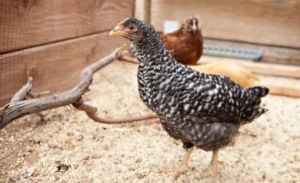
The Plymouth Rock, particularly the Barred Rock variety, is a classic American backyard chicken.
These birds have substantial bodies and dense feathering, characteristics that can help them cope with cooler weather.
Plymouth Rocks are also valued for their practical qualities. They can provide eggs while remaining useful as general-purpose backyard chickens.
Their relatively straightforward care makes them appealing to first-time keepers.
If you want a breed that combines traditional backyard usefulness with reasonable cold-weather suitability, Plymouth Rocks can be a practical option.
4. Orpington: Heavy Feathering and a Calm Temperament
Orpingtons are another breed frequently considered for cold climates.
Their large bodies and abundant feathers give them a substantial appearance, while their generally calm temperament makes them popular with backyard families.
Orpingtons can also be productive layers, giving them value beyond simply surviving winter.
One consideration is their feathering. Dense feathers can provide insulation, but wet conditions can reduce their protective value. Keeping the coop dry is therefore particularly important.
Orpingtons may also become broody, depending on the individual and breeding line.
For keepers who want a calm, large chicken that can serve as both a backyard companion and useful layer, Orpingtons are worth considering.
Why Comb Type Matters in Winter
Frostbite is one of the major winter concerns for backyard chickens.
The comb and wattles contain blood vessels and are exposed to cold air. When temperatures drop below freezing, tissue can become damaged.
This is why comb type is relevant when selecting breeds for northern climates.
Breeds with large single combs can have greater exposed surface area. Smaller pea, rose, or other compact combs may reduce exposure.
However, temperature alone is not the whole story.
Moisture matters.
Humid air, condensation, and wet bedding can increase the risk of frostbite. A chicken coop that is closed tightly to “keep the heat in” may actually create a dangerous environment if moisture cannot escape.
Ventilation Is Not the Same as Drafts
One of the most important winter chicken-keeping concepts is the difference between ventilation and drafts.
Ventilation allows humid air, ammonia, and moisture to escape from the coop.
A draft is an uncontrolled stream of cold air blowing directly across the chickens.
You want ventilation without exposing roosting birds to strong drafts.
The highest ventilation openings are often useful because warm, moist air naturally rises. Properly positioned vents can allow moisture to leave while keeping the birds protected from direct wind.
This balance is much more important than simply sealing every opening in the coop.
Keep the Coop Dry
A dry chicken is much better equipped to handle cold weather than a wet chicken.
Check the roof, walls, doors, windows, and ventilation areas before winter arrives. Look for leaks and areas where melting snow could enter.
Bedding should be kept reasonably dry and replaced or maintained as needed.
Wet bedding can increase humidity and contribute to poor air quality.
Winter preparation should therefore begin before the first major snowstorm rather than after temperatures have already dropped.
Do Chickens Need a Heated Coop?
Cold-hardy chickens generally do not require the same indoor temperatures humans prefer.
Healthy adult chickens can tolerate surprisingly cold conditions when they have acclimated gradually and have adequate shelter, food, and water.
The goal of winter housing is primarily to protect chickens from wind, precipitation, excessive moisture, and predators.
Artificial heat can introduce additional risks, particularly fire hazards. If supplemental heating is considered, equipment should be specifically designed for poultry environments and installed safely.
Do not assume that making the coop warm like a house is automatically better.
Feed and Water Become Especially Important
Chickens use energy to maintain body temperature during cold weather.
Providing consistent access to an appropriate, nutritionally balanced diet is therefore important throughout winter.
Water is equally critical. Chickens cannot maintain normal health without reliable access to clean water, even when temperatures are below freezing.
A winter chicken setup should include a practical plan for preventing water from remaining frozen for long periods.
Choose the Breed Based on Your Climate
Not every Northern U.S. location experiences the same winter.
A backyard in Minnesota may face very different conditions from one in Pennsylvania, Michigan, Maine, or the Pacific Northwest.
Consider your typical winter temperatures, snowfall, humidity, wind, and length of the cold season.
For particularly cold environments, breeds such as Brahmas and Wyandottes may be worth researching. Plymouth Rocks and Orpingtons can also provide useful combinations of body size, feathering, temperament, and productivity.
But the best breed choice should always be considered alongside housing design.
Final Thoughts
Choosing cold-hardy chickens is an important part of preparing for a Northern U.S. winter, but it is only one piece of the puzzle.
Brahmas offer large bodies, abundant feathering, and compact pea combs. Wyandottes combine substantial feathering with a rose comb. Plymouth Rocks are practical traditional backyard chickens, while Orpingtons offer heavy feathering and a generally calm temperament.
Whatever breed you choose, focus on the fundamentals: dry bedding, adequate ventilation, protection from direct drafts, reliable food and unfrozen water, predator protection, and regular observation.
A cold-hardy breed can give your flock a useful advantage, but good winter management is what turns that advantage into a healthy backyard flock.