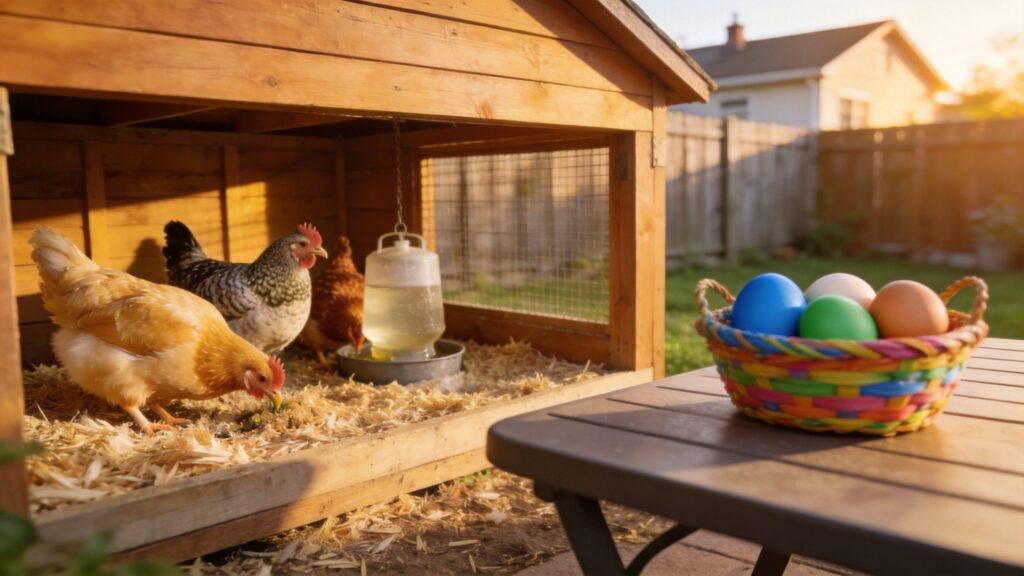
Why Chickens Win the Urban Backyard Debate
When you picture a backyard homestead, a few clucking hens might come to mind. Ducks, with their charming waddles and glossy feathers, are tempting too—but for city dwellers with close neighbors and limited space, chickens are the clear winner. After combing through dozens of real experiences on forums like BackYardChickens and Reddit’s r/backyardchickens, one theme emerges: chickens offer a quieter, cleaner, and more practical solution for the typical urban lot. Here are ten hard-earned reasons, backed by community wisdom, that explain why chickens beat ducks for city backyards.
1. Noise Levels That Won’t Land You in Hot Water with Neighbors
Ducks are famously vocal—and not in a subtle way. “Our two Pekin drakes sounded like a car alarm every morning,” wrote one forum member on BackYardChickens. “The neighbor called the city within a week.” Chickens, by contrast, communicate with soft clucks and gentle murmurs. While roosters are a problem, hens are exceptionally quiet. Many urban ordinances ban roosters but allow up to a dozen hens without complaint. On Reddit, user u/UrbanHenMom shared: “My three hens make less noise than the neighbor’s barking dog. The ducks we tried last year? Constant quacking at dawn.”
“I’ve kept both. My ducks sounded like a comedy skit every time I walked outside. My chickens just mutter to themselves. For a tight suburban lot, it’s no contest.” — Forum member, BackYardChickens
Actionable tip: If you’re worried about noise, choose heritage breeds like Buff Orpingtons or Wyandottes, known for their calm dispositions and low-volume chatter.
2. The Mess Factor: Dry Coops vs. Slip-and-Slide Runs
Ducks need water—lots of it. A simple kiddie pool turns into a muddy, bacteria-laden swamp within hours. “I was changing the duck pool twice a day, and the run still smelled like a bog,” reported a user on the Poultry Forum. Chicken coops stay relatively dry. Their droppings are more solid and easier to manage with deep litter method. Chickens also scratch and dust-bathe, which actually helps keep bedding aerated. On a city lot where cleanup is constant and space is tight, dry is better. Forum member @ChickadeeQueen noted: “My duck run required a weekly shovel-out of slop. My chicken run? A quick rake once a week.”
- Ducks: Wet droppings (high moisture content), need water source, creates mud and odor.
- Chickens: Firmer droppings, can thrive with a small waterer, coop stays drier.
3. Breed Diversity: A Rainbow of Eggs and Personalities
Chickens come in hundreds of breeds, each offering something unique for the urban homesteader. Want green eggs? Get an Easter Egger. Olive eggs? A Marans cross. Blue eggs? An Ameraucana. Ducks mainly lay white or pale green eggs, with much less variety. Temperament also varies: Silkies are docile lap chickens, while Leghorns are flighty but prolific layers. A backyard chicken keeper from Texas wrote on The Chicken Chick forum: “I have a mixed flock—Speckled Sussex, Buff Orpington, and a little Silkie. Each has a different personality, and my kids adore them all. With ducks, you get the same quack and the same white egg.”
| Breed | Egg Color | Temperament |
|---|---|---|
| Easter Egger | Blue, green, pink | Friendly, curious |
| Marans | Dark chocolate brown | Docile, hardy |
| Wyandotte | Brown | Calm, good for kids |
| Silkie | White/cream | Extremely tame, broody |
This variety lets you customize your flock for egg color, temperament, and even cold hardiness—something ducks simply can’t match.
4. Egg Production Stability (No Seasonal Quirks)
Many duck breeds are seasonal layers, tapering off in winter without supplemental light. Chickens, especially modern hybrids, can lay year-round with a simple LED bulb on a timer. “My ducks stopped laying completely from November to March,” lamented a forum member in Michigan. “My chickens gave me eggs through the whole winter.” For an urban family relying on a steady supply, chickens win again. Plus, chicken eggs are smaller but come more frequently—a single hen can produce 250–300 eggs per year.
5. Space Efficiency: You Don’t Need a Pond
Ducks need more than just a coop and run; they require a clean water source deep enough to submerge their heads. This means either a large pool you change daily or a pond-like setup that quickly becomes unsanitary. Chickens only need a simple waterer. A standard 4×8-foot coop can house 6–8 bantam hens, which is plenty for a small family. “We have a 40×60 foot lot in Portland. The ducks took up a third of it with their pool area. The chickens are in a 5×10 run and are perfectly happy,” wrote one urban chicken keeper.
6. Health Headaches: Duck Diarrhea and Water Spills
Ducks have a reputation for watery droppings—and it’s not just from the pool. Their digestive system produces extremely wet feces because they ingest large amounts of water while eating. This leads to messy coops, fly problems, and a higher risk of bacterial illnesses like botulism. “I spent more time cleaning duck diarrhea off the patio than actually enjoying them,” said a user on the Duck Forum. Chickens have drier manure that composts easily. They also rarely suffer from the same water-borne issues. One forum moderator warned: “Duck diarrhea isn’t just gross—it can lead to respiratory issues if ammonia builds up. Chickens give you a much wider margin for error in a small backyard.”
- Duck problem: Frequent loose stools → higher bedding changes → increased cost & labor.
- Chicken solution: Semi-solid droppings; deep litter method works beautifully for weeks.
7. Neighbor Relations: Quieter, Less Smelly, More Acceptable
City living means close proximity. Ducks’ loud quacks carry; chickens’ clucks do not. Smell is another factor: wet duck runs develop a swampy odor that drifts, while a well-maintained chicken coop has an earthy, almost sweet smell. On the Chicken Chick forum, a user from Denver reported: “Our HOA had a rule against ‘fowl’ but made an exception for chickens because they are ‘virtually silent and odorless if cleaned weekly.’ Ducks were banned outright.” Building good will with neighbors is crucial in urban settings, and chickens are the diplomatic choice.
8. Upfront and Ongoing Costs
Ducks consume significantly more feed than chickens, especially if they waste food by taking it into water. They also need a larger waterer, pool maintenance supplies (or frequent water changes), and often a more robust coop drainage system. A forum member in California calculated: “My two ducks ate 50% more feed than my four hens, and I spent $15 a month on pool chemicals to keep algae at bay. The chickens cost me nothing extra.” Over a year, the savings add up. Chickens offer a lower cost per egg and less daily labor.
9. Training and Bonding: Chickens Are More Handleable
Ducks are naturally more independent and skittish. While they can be tamed with treats, they rarely enjoy being held. Chickens, especially when raised from chicks, seek out human interaction. “My hens follow me around the yard and jump on my lap for scratches,” shared a forum user in Florida. “The ducks just waddled away anytime I approached.” For families with children, a friendly chicken is a better pet. You can teach a chicken to perch on your arm, do simple tricks (like coming when called), and they even show distinct personalities.
10. Legal Landmines: City Codes Favor Chickens
Many municipalities that allow backyard poultry explicitly ban ducks or restrict them due to noise, smell, and water concerns. A quick search on UrbanChicken.org reveals that over 70% of surveyed cities allow chickens (with limits) but only 25% permit ducks. One forum member from Austin, TX, wrote: “I went to the city council meeting. The clerk said they’d had 12 complaints about duck noise in the last year—zero about chickens. The ordinance now says only chickens.” Before you invest, check your local laws. But the trend is clear: chickens are the legally safer bet.
Conclusion: The Practical Choice for City Living
Chickens don’t just edge out ducks on a few points—they dominate in the categories that matter most for an urban backyard: quiet, cleanliness, cost, and neighborly peace. Real-world experience from hundreds of forum members confirms that while ducks have their charms, chickens are the resilient, low-drama companions a city homesteader needs. Start with a couple of friendly hens, a solid coop, and prepare to enjoy fresh eggs without the headaches that come with feathered swimmers.