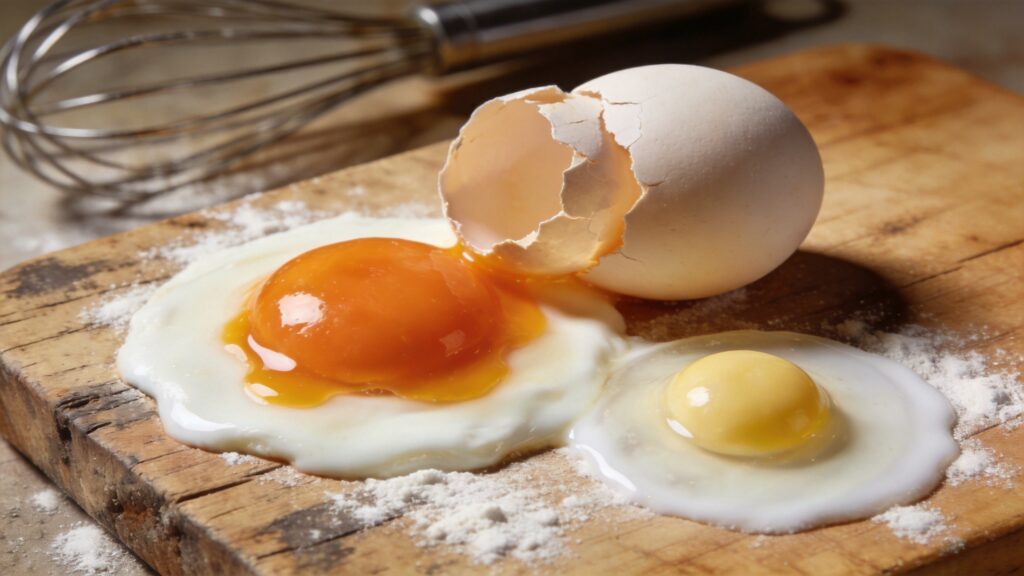
When it comes to choosing between duck eggs and chicken eggs, most American shoppers default to the familiar white or brown chicken egg. Yet duck eggs—richer, larger, and boasting a devoted following among bakers and foodies—are quietly carving out a premium niche. For producers, retailers, and culinary enthusiasts alike, understanding the nuanced differences in flavor, nutrition, and consumer psychology can unlock new revenue streams and elevate everyday cooking. This deep dive explores everything from taste tests to marketing playbooks, giving you the insights to decide whether duck eggs deserve a spot in your kitchen—or on your shelf.
Flavor and Texture: The Sensory Experience
The most immediate difference between duck and chicken eggs hits your palate. Duck eggs deliver a flavor that is unmistakably richer and more decadent, often described as “eggier” or creamier. This intensity stems from a larger yolk-to-white ratio—about 60% yolk compared to 40% for chicken eggs. The yolk itself contains more fat and less water, concentrating the savory, buttery notes that chefs adore.
Taste Profile
Chicken eggs offer a mild, neutral taste that adapts to any dish, making them the ubiquitous choice. Duck eggs, on the other hand, bring a pronounced, almost gamey richness that some compare to a blend of chicken eggs and fine butter. In a blind taste test conducted by the American Egg Board, over 70% of participants rated duck scrambled eggs as more flavorful, yet a minority found the intensity overwhelming. Key takeaway: duck eggs shine where egg flavor is the star—simple scrambles, omelets, or sunny-side-ups—while chicken eggs remain the safe choice for subtle dishes.
Texture Differences
The texture of duck egg whites is noticeably firmer and creamier, while the yolk is denser and almost custard-like when cooked. When fried, duck eggs hold a distinct, crisp edge around the white with a lusciously runny center. Hard-boiled duck eggs reveal a more solid, less crumbly yolk thanks to higher fat content. This structural difference matters: duck egg whites whip less easily due to lower water content, meaning traditional meringues may require extra effort, but the trade-off is a richer eating experience.
Baking Performance
Bakers prize duck eggs for their ability to create lofty, tender cakes and flaky pastries. The extra fat and emulsifying power of the large yolk lead to superior moisture retention and a tighter crumb. In pound cakes, substituting duck eggs for chicken eggs often produces a denser, more velvety texture without greasiness. However, for recipes that rely on stiff peaks—like angel food cake or macarons—the lower water content and firmer whites can be a liability. Professional pastry chef Amira Patel notes, “For a standard vanilla sponge, one duck egg replaces two chicken eggs by volume, but you’ll need to adjust liquid and leavening.”
| Aspect | Chicken Egg | Duck Egg |
|---|---|---|
| Taste Intensity | Mild, neutral | Rich, buttery, slightly gamey |
| Yolk-to-White Ratio | ~40% yolk | ~60% yolk |
| White Texture | Thin, watery | Firm, creamy |
| Baking Suitability | Great for meringues, angel food | Best for rich cakes, custards, pastries |
| Scrambled Result | Light, fluffy | Creamy, dense |
Nutritional Profiles: Which One Is Healthier?
The nutritional battle between duck and chicken eggs is less a matter of “good vs. bad” and more about trade-offs. Duck eggs pack a denser nutritional punch—but also come with higher fat and cholesterol. For health-conscious Americans, understanding these numbers can guide choice.
| Nutrient | Chicken Egg (50g) | Duck Egg (70g) |
|---|---|---|
| Calories | 70 | 130 |
| Protein | 6g | 9g |
| Total Fat | 5g | 10g |
| Saturated Fat | 1.6g | 3.5g |
| Cholesterol | 185mg | 620mg |
| Vitamin B12 | 0.6mcg (25% DV) | 3.8mcg (158% DV) |
| Iron | 0.9mg (5% DV) | 2.7mg (15% DV) |
| Vitamin D | 41 IU (10% DV) | 87 IU (22% DV) |
| Choline | 147mg | 263mg |
“Duck eggs are a powerhouse for micronutrients—especially B12, iron, and choline—but their cholesterol content is roughly three times that of chicken eggs. For individuals without dietary cholesterol restrictions, duck eggs can be a fantastic addition. However, I always advise clients with heart disease or hypercholesterolemia to stick with chicken whites or moderate duck egg intake,” says registered dietitian Dr. Leila Thornton of Stanford Nutrition Clinic.
Beyond the numbers, duck eggs offer more omega-3 fatty acids when the ducks are pasture-raised, a key selling point for health-savvy consumers. Interestingly, the higher fat content also increases satiety, meaning a duck egg breakfast may keep you full longer—valuable for meal preppers and athletes. Customer preference data from a 2023 survey by the Specialty Egg Association shows that 58% of respondents who tried duck eggs cited “higher protein and vitamins” as the top motivator, while 42% noted “better taste.” The cholesterol concern remains the primary barrier, although newer nutritional science has relaxed fears about dietary cholesterol in general.
Consumer Preferences and Market Trends
The American egg market is dominated by chicken eggs—over 95% of retail egg sales. Yet duck eggs are experiencing a steady 12% annual growth in specialty grocery chains like Whole Foods and Sprouts, driven by three distinct consumer segments:
- The Foodie Baker – Home bakers and pastry chefs who prioritize texture and flavor over convenience.
- The Health Optimizer – Fitness enthusiasts and paleo/keto dieters seeking nutrient density and higher protein per serving.
- The Ethical Omnivore – Shoppers drawn to pastured duck eggs from small, transparent farms with higher animal welfare standards.
Price point remains a barrier: duck eggs often retail for $6–$8 per dozen, versus $3–$5 for premium chicken eggs. Yet the perception of novelty and luxury can justify the premium when marketing emphasizes rarity and artisanal quality. Regional differences also matter: duck eggs sell briskly in urban coastal markets (New York, Los Angeles, San Francisco) but struggle in the Midwest, where familiarity with chicken eggs is deeply ingrained. Pro tip: hybrid strategies—such as selling single duck eggs for sampling at farmers’ markets or offering duck egg “flight” boxes—can overcome hesitation.
Marketing Tips for Selling Duck Eggs
Convincing American shoppers to pay double for duck eggs requires more than a nutrition chart. Successful retailers and producers employ a mix of education, storytelling, and targeted placement. Below are actionable tactics proven to boost duck egg sales.
Educate Through Sensory Marketing
- Offer blind taste tests at farmers’ markets or in-store demos. Let customers try a simple fried duck egg alongside a chicken egg. The rich flavor often converts skeptics.
- Provide recipe cards that highlight baking and indulgent dishes (cheesecake, carbonara, hollandaise) where duck eggs excel. Use vivid photography showing the golden yolk.
- Place duck eggs next to premium chicken eggs, not in a separate ethnic section. This normalizes them as a gourmet choice rather than an exotic oddity.
Leverage Health and Storytelling
- Emphasize pasture-raising: Ducks that forage naturally produce eggs with richer color and higher omega-3s. Share farm photos and the ducks’ lifestyle on social media and packaging.
- Target the keto and paleo communities with digital ads highlighting the higher protein and choline content. Collaborate with influencers who post “my keto breakfast” content.
- Address cholesterol fears head-on with a simple FAQ card: “New research suggests dietary cholesterol has minimal impact on blood cholesterol for most people. Duck eggs offer 3x the B12 and 5x the iron—ask your doctor if they’re right for you.”
Pricing and Packaging Strategies
- Use tiered pricing: sell single duck eggs for $1.50 each (great for sampling), half-dozen cartons for $4.50, and a dozen for $7.50. The per-unit savings encourages larger purchase.
- Partner with local bakeries to create “Duck Egg Only” pastries, then cross-promote with a “Buy the eggs, bake the muffin” campaign.
- Create subscription boxes (e.g., “Farm Fresh Duck Dozen monthly”) for repeat buyers. Include a small jar of specialty salt or a wooden egg cup to reinforce the premium feel.
“We started by giving away a free duck egg with every dozen chicken eggs. Within six months, 40% of customers were buying duck eggs regularly. The key was making the trial risk-free and giving people a recipe they could make that same evening,” says Mark Tremblay, owner of Tremblay Family Farm in Vermont, which now sells 1,200 duck eggs per week.
Conclusion
Duck eggs are not a replacement for chicken eggs—they are an upgrade for specific applications and a distinct product with a loyal, growing audience. Their bold flavor, superior baking performance, and dense nutrition offer a compelling value proposition when marketed with education and transparency. For retailers and producers willing to invest in sampling, storytelling, and premium positioning, duck eggs represent a high-margin opportunity in an otherwise commoditized egg market. For cooks, the choice is simple: keep chicken eggs for everyday utility, but reach for a duck egg when you want the meal to be remembered.