Introduction
Healthy chickens are usually active, curious, and quick to investigate their surroundings. They scratch the ground, search for food, interact with the flock, and respond to familiar routines.
But what happens when one hen suddenly stops joining the others? What if she spends most of the day sitting, refuses food, or looks unusually puffed up?
These small changes can be early warning signs of illness.
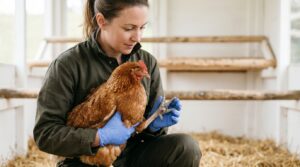
Chickens often hide weakness, so owners may not notice a problem until the symptoms become more obvious. Learning to recognize unusual behavior can help you respond sooner, protect the rest of your flock, and give a veterinarian useful information.
Here are 15 signs your chicken may be sick, what they could indicate, and what to do first. 🐔
Important: These signs are not diagnoses. Several different conditions can cause similar symptoms. A poultry or avian veterinarian is the best person to determine the cause and recommend treatment.
1. Your Chicken Is Unusually Quiet or Inactive
One of the earliest warning signs may be a change in personality.
A normally active hen might suddenly spend more time sitting, stop exploring, or show little interest in what is happening around her.
Possible reasons include:
- Infection or fever.
- Pain or injury.
- Heat stress.
- Parasites.
- Nutritional or digestive problems.
What to do first:
Observe her without chasing or disturbing her. Check whether she is eating, drinking, walking, and interacting normally. Compare her behavior with her usual routine.
If the change persists or comes with other symptoms, contact a veterinarian.
2. Puffed-Up Feathers and a Hunched Posture
<text color=”secondary” size=”xs”>A bird that stays fluffed up and hunched for extended periods may be unwell.</text>
Chickens sometimes fluff their feathers to regulate body temperature or rest. However, persistent puffed-up feathers combined with inactivity, closed eyes, or reduced appetite can indicate illness.
Possible reasons include:
- Infection.
- Pain.
- Cold stress.
- Digestive problems.
- Other underlying health conditions.
What to do first:
Check the coop temperature and observe whether the chicken is alert. Make sure she has access to clean water and appropriate shelter.
Do not assume that providing extra heat will solve the problem. Overheating can also be dangerous.
3. Your Chicken Stops Eating
A chicken that normally rushes toward the feeder but suddenly refuses food deserves attention.
Reduced appetite can occur with many health problems, including digestive disorders, infections, parasites, and pain.
What to do first:
Check whether the feed is fresh, dry, and free from mold. Make sure the bird can reach the feeder without being bullied by other chickens.
Observe whether she attempts to eat but struggles to swallow, or simply shows no interest.
A chicken that stops eating, especially when also weak or inactive, should receive prompt veterinary assessment.
4. Drinking Much More or Less Than Usual
Changes in water consumption can provide useful clues.
A chicken may drink more during hot weather, while reduced drinking can occur when she is weak or unwell.
What to do first:
- Check that the waterer is clean and working.
- Make sure fresh water is accessible.
- Observe whether the chicken drinks normally.
- Look for additional symptoms such as diarrhea, weakness, or reduced appetite.
Do not force water into a weak bird’s beak. Liquid can enter the airway and cause serious complications.
5. Difficulty Breathing, Wheezing, or Gasping
Respiratory symptoms are among the signs that require particular attention.
Watch for:
- Open-mouth breathing when the bird is not overheated.
- Wheezing or rattling sounds.
- Repeated coughing or sneezing.
- Nasal discharge.
- Tail bobbing with each breath.
- Noticeable effort when breathing.
Possible reasons include respiratory infections, environmental irritants, heat stress, or other respiratory conditions.
What to do first:
Move away from dust, smoke, and strong chemical fumes. Avoid unnecessary handling.
If the chicken is gasping, struggling to breathe, or becoming weak, seek emergency veterinary care. Do not wait to see whether the symptoms disappear.
6. Swollen Eyes, Face, or Sinuses
Swelling around the eyes or face is not normal and should be investigated.
You may notice:
- Puffy eyelids.
- Watery or sticky eyes.
- Discharge around the nostrils.
- Facial swelling.
- Difficulty keeping one or both eyes open.
What to do first:
Observe whether one or several birds are affected. Keep the environment clean and avoid sharing contaminated equipment between birds.
Do not apply human eye medication unless a veterinarian specifically recommends it.
7. Pale, Dark, or Unusual Comb Color
A chicken’s comb and wattles can provide clues about its condition.
A comb may appear unusually pale, dark, or bluish compared with the bird’s normal appearance.
Possible explanations include anemia, blood loss, circulation problems, or respiratory and other systemic conditions.
What to do first:
Check the bird’s breathing, activity, and general condition. Look for injuries and external parasites.
A blue or purple discoloration, particularly when accompanied by breathing difficulty or weakness, requires urgent veterinary attention.
Remember that comb color alone cannot identify a disease.
8. Unusual Droppings or Persistent Diarrhea
Chicken droppings naturally vary. Diet, hydration, and normal digestive processes can all affect their appearance.
However, persistent watery droppings, blood, mucus, or a major change in frequency may indicate a health problem.
Warning signs include:
- Bloody droppings.
- Repeated watery diarrhea.
- Unusual mucus.
- Black, tar-like droppings.
- Straining or difficulty passing droppings.
What to do first:
Check whether the change affects one chicken or several. Take a photograph and, if your veterinarian requests it, collect a fresh sample for examination.
Bloody droppings can occur with coccidiosis, especially in young birds, but other conditions can cause similar signs.
Do not automatically give antibiotics or dewormers.
9. Limping or Difficulty Walking
A chicken that limps, avoids putting weight on one leg, or struggles to stand may be experiencing pain or injury.
Possible causes include:
- Sprains or fractures.
- Foot injuries.
- Bumblefoot.
- Joint inflammation.
- Neurological problems.
What to do first:
Provide a safe, nonslip resting area and prevent other birds from bullying her. Observe both feet and legs for swelling, wounds, or visible injuries.
Do not force the chicken to walk or attempt to manipulate a suspected fracture.
Severe injuries, inability to stand, or sudden paralysis require urgent veterinary attention.
10. Swollen Feet or Footpad Scabs
Foot problems can make walking painful and reduce a chicken’s activity.
One condition to recognize is bumblefoot, a footpad infection that may involve swelling, inflammation, and a dark scab.
What to do first:
Gently inspect the underside of the feet if the chicken tolerates handling. Check the roosts, flooring, and run for sharp objects or rough surfaces.
Keep the resting area clean and dry.
Do not cut open the footpad, squeeze the swelling, or attempt to remove deep tissue at home. A veterinarian should assess the infection and recommend treatment.
11. Sudden Weight Loss or a Prominent Breastbone
A chicken that gradually loses weight may have an underlying health problem even if she still appears active.
Look for:
- A more prominent breastbone.
- Reduced muscle around the breast.
- Loose-fitting appearance.
- Reduced appetite.
- Changes in egg production.
Possible causes include parasites, chronic infection, nutritional problems, and digestive disorders.
What to do first:
Record her weight if you can do so safely and compare it with previous records. Check feed quality and observe whether she is actually eating.
Unexplained weight loss deserves veterinary investigation rather than simply increasing the amount of feed.
12. Dirty Vent or Droppings Stuck Around the Tail
Droppings stuck to feathers around the vent may occur with diarrhea or digestive problems.
In some cases, the area may become irritated or attract flies, increasing the risk of flystrike.
What to do first:
Inspect the vent for severe dirt buildup, swelling, discharge, or injury. If cleaning is needed, use gentle methods and avoid pulling feathers or irritating the skin.
Seek veterinary advice if the problem keeps returning or is accompanied by weakness, straining, or abnormal droppings.
13. Repeated Straining or Signs of Egg Binding
Laying hens can develop reproductive problems.
Warning signs may include:
- Repeated straining.
- Frequent visits to the nesting area without laying.
- A wide-legged or penguin-like posture.
- Abdominal swelling.
- Weakness or difficulty walking.
Egg binding is one possible cause, but similar signs can occur with other reproductive or abdominal conditions.
What to do first:
Contact a veterinarian promptly. Do not squeeze the abdomen, insert anything into the vent, or attempt to pull out an egg.
Suspected egg binding can become life-threatening and should not be treated as a routine laying delay.
14. External Parasites, Feather Loss, or Excessive Scratching
Mites and lice can irritate chickens, damage feathers, and contribute to poor condition.
Look for:
- Frequent scratching or preening.
- Feather damage.
- Irritated skin.
- Parasites or eggs around feather shafts.
- Mites around the vent or under the wings.
- Pale combs in birds with heavy parasite burdens.
What to do first:
Inspect the bird and coop carefully. Some mites hide in cracks and roost joints during the day, so checking the environment is important.
Use a poultry-safe parasite treatment only according to its label and veterinary guidance. Never assume that every powder or home remedy is safe or effective.
15. Several Chickens Become Sick or Die Suddenly
<badge color=”danger”>Urgent warning</badge>
When multiple birds become ill within a short period, the situation deserves immediate attention.
Possible explanations include:
- Contagious disease.
- Contaminated feed or water.
- Toxic exposure.
- Severe environmental stress.
- Other flock-wide health problems.
Avian influenza is one serious disease that animal health authorities may need to investigate.
What to do first:
- Contact a veterinarian or the appropriate local animal health authority immediately.
- Avoid moving birds, equipment, or potentially contaminated materials between locations.
- Keep people and pets away from sick or dead birds.
- Use appropriate protective precautions when contact is unavoidable.
- Follow official instructions about isolation, reporting, testing, and disposal.
Do not handle dead birds with bare hands or attempt to diagnose a serious flock outbreak yourself.
🚑 When Should You Contact a Veterinarian Immediately?
Some symptoms should never be managed through observation alone.
Seek urgent veterinary assistance if your chicken has:
- Severe breathing difficulty or gasping.
- Collapse or inability to stand.
- Seizures or severe neurological signs.
- Heavy bleeding or serious injury.
- Suspected poisoning.
- Severe abdominal swelling or distress.
- Suspected egg binding with weakness or straining.
- Rapidly worsening symptoms.
- Sudden unexplained deaths or several sick birds.
When in doubt, call a veterinarian and describe what you are seeing. A phone call can help determine how urgently the bird needs examination.
What to Do First When You Notice a Sick Chicken
Recognizing symptoms is only half the job. Your next steps matter, too.
1. Observe Before Handling
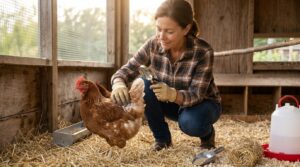
Watch the chicken’s behavior, breathing, posture, and interaction with the flock. Avoid chasing her unnecessarily.
2. Record the Symptoms
Write down when the problem started, whether she is eating and drinking, and whether other birds are affected.
Photos and short videos can help a veterinarian assess changes over time.
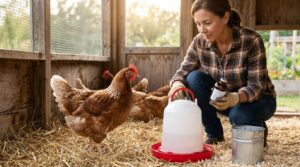
3. Provide Clean Water and Suitable Feed
Make sure the bird has access to fresh water and normal, appropriate poultry feed. Do not force-feed or force water into a weak or struggling bird.
4. Consider Isolation Carefully
For an apparently isolated sick bird, a clean and secure recovery area may help prevent contact with healthy birds, provided moving her is safe and appropriate.
If several birds are sick or a serious reportable disease is suspected, contact animal health authorities before moving birds.
5. Avoid Random Medication
Do not use leftover antibiotics, human medicines, or unverified home remedies.
The correct treatment depends on the cause. Some medications also have restrictions for laying hens, including egg withdrawal requirements.
6. Improve Hygiene
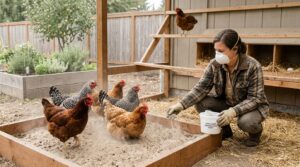
Clean feeders and drinkers regularly, remove wet bedding, and wash your hands after handling birds or poultry equipment.
Use separate equipment for sick birds whenever appropriate.
7. Contact a Poultry Veterinarian
Share your observations, photographs, flock history, and any recent changes in feed, water, housing, or environment.
These details can help guide examination and testing.
📝 A Simple Daily Chicken Health Routine
Prevention begins with noticing changes before they become serious.
| What to check | What to look for |
|---|---|
| Morning behavior | Activity, alertness, interaction |
| Food and water | Normal appetite and drinking |
| Breathing | Quiet, effortless breathing |
| Feathers and skin | Damage, parasites, irritation |
| Droppings | Major or persistent changes |
| Feet and legs | Limping, swelling, wounds |
| Eggs | Changes in production or shell quality |
| Coop | Clean water, dry bedding, ventilation |
A short daily observation routine can help you recognize unusual patterns and keep better records of your flock’s health.
Final Thoughts
A sick chicken does not always look obviously ill. Sometimes, the first warning is a hen that becomes unusually quiet, eats less, or stops following the flock.
Learning these 15 warning signs gives backyard chicken owners a better starting point for recognizing problems and responding appropriately.
But remember: symptoms are clues, not diagnoses. Avoid guessing the disease or giving medication without proper guidance. Severe symptoms, sudden deaths, or illness affecting several birds require prompt professional attention.
Keep a simple health record, maintain clean housing, and identify a veterinarian who can treat poultry before an emergency happens.
Good chicken care isn’t just about collecting fresh eggs. It’s also about noticing when your birds need help and acting responsibly. 🐔❤️