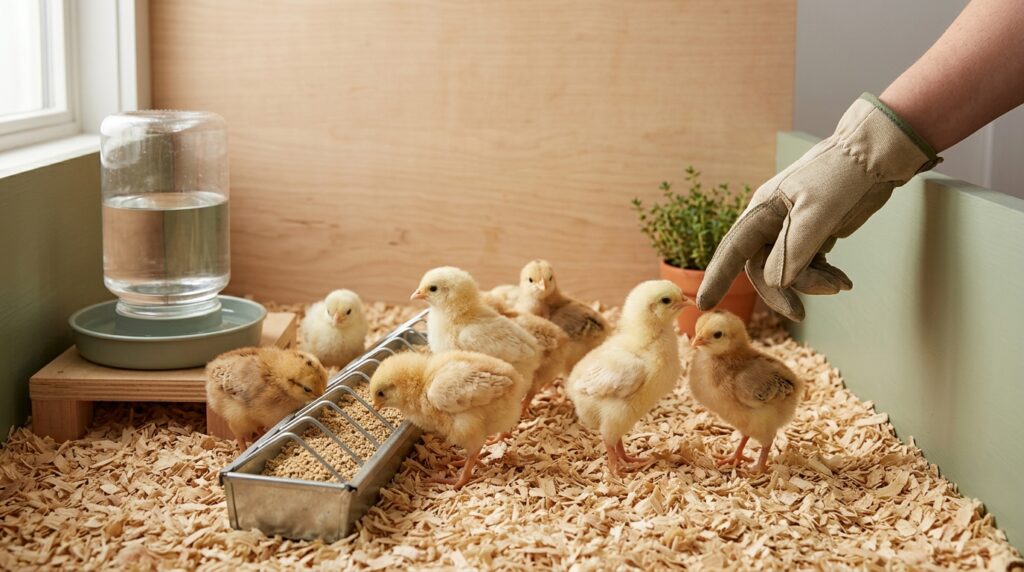
Introduction
Coccidiosis is one of the important health problems to watch for when raising young chickens. It is caused by microscopic parasites called Eimeria that damage the intestinal lining. In severe cases, the disease can lead to dehydration, poor growth, and death.
The challenge for backyard poultry keepers is that early signs can look like ordinary chick behavior. A chick that becomes quiet, eats less, or develops unusual droppings may be experiencing coccidiosis, but other illnesses can cause similar symptoms.
The good news is that clean, dry living conditions, appropriate prevention, and prompt veterinary guidance can reduce the risk of serious outbreaks. Here’s how to recognize warning signs and respond safely.
1. What Causes Coccidiosis in Chicks?
Chicks become infected when they swallow infective parasite stages from contaminated litter, soil, feed, water, equipment, or other surfaces. Droppings from infected birds can spread the parasites throughout a brooder or coop.
Young chicks are particularly vulnerable because they have not yet developed protective immunity. Risk can increase when litter stays damp, birds are overcrowded, or feeders and drinkers become contaminated with feces.
Coccidiosis can develop quickly, so waiting for several chicks to become visibly ill before taking action can be dangerous.
2. Early Symptoms to Watch For 🔎
Watch for changes in behavior, appetite, droppings, and growth rather than relying on one symptom alone.
Common warning signs include:
- Reduced appetite: Chicks eat less or stop approaching the feeder.
- Lethargy: A chick becomes unusually quiet, weak, or reluctant to move.
- Fluffed-up feathers: The chick appears puffed up and less active than its flockmates.
- Diarrhea: Droppings become watery, loose, or unusually mucoid.
- Blood in the droppings: This can occur with some forms of coccidiosis and requires urgent attention.
- Weight loss or poor growth: Affected chicks may become smaller or fail to gain weight normally.
- Dehydration and weakness: Severe illness may leave chicks unable to stand or reach food and water.
Blood is not present in every case, and some infected birds show few obvious signs. Conversely, bloody droppings can have causes other than coccidiosis.
Seek urgent veterinary help if a chick is very weak, cannot stand, has bloody diarrhea, appears severely dehydrated, or if several chicks become sick or die unexpectedly.
3. How to Prevent Coccidiosis
Prevention focuses on reducing exposure to infective parasites and following an appropriate vaccination or medication program.
Keep the Brooder Clean and Dry
- Remove wet or heavily soiled litter promptly.
- Keep bedding dry and replace contaminated material as needed.
- Clean drinkers and feeders regularly.
- Position water containers to minimize spills and fecal contamination.
- Avoid overcrowding and ensure chicks have enough space to move away from wet areas.
Routine cleaning helps, but ordinary disinfectants may not reliably destroy coccidia. Physical removal of contaminated litter and suitable cleaning procedures are important parts of control.
Provide Clean Feed and Water
Keep feed dry and protect it from droppings. Use clean drinking water and check containers frequently for contamination.
Good nutrition and reliable access to water support recovery and normal growth, but they do not replace specific coccidiosis prevention.
Check Vaccination and Feed Labels
Some hatcheries offer chicks vaccinated against coccidiosis. Ask the supplier whether your chicks were vaccinated and which product was used.
Some starter feeds contain anticoccidial medication. Do not assume medicated feed and vaccination can be combined freely. Certain medications can interfere with live coccidiosis vaccines. Follow the vaccine and feed instructions, and ask a poultry veterinarian if you are unsure.
4. What to Do if You Suspect Coccidiosis
Act promptly instead of waiting for symptoms to worsen.
- Observe the whole flock. Check which chicks are eating, drinking, moving normally, and producing unusual droppings.
- Contact a poultry veterinarian. Explain the chicks’ ages, symptoms, recent deaths, vaccination history, and any medicated feed being used.
- Request appropriate testing. A veterinarian may recommend examining a fresh fecal sample for coccidia. Test results must be interpreted alongside symptoms because detecting parasite stages does not always prove they are responsible for the illness.
- Improve hygiene immediately. Remove wet, contaminated litter, clean waterers and feeders, and reduce opportunities for fecal contamination.
- Support affected chicks. Keep them in a warm, dry, low-stress environment with easy access to appropriate feed and clean water. Avoid forcing liquids into a weak chick’s mouth, as this can cause aspiration.
If practical, separate visibly sick chicks into suitable housing while maintaining warmth and easy access to food and water. Avoid moving them into an environment that could expose them to additional stress or contamination.
5. Treatment Guidance: Why the Right Medication Matters 💊
Coccidiosis can be treated with appropriate anticoccidial medications, but the correct choice depends on the situation, local product approvals, the birds’ age, and whether the birds are raised for meat or eggs.
A veterinarian may recommend an approved anticoccidial product, review the flock’s existing prevention program, and advise on supportive care. Early treatment can help limit further damage, but it cannot always reverse intestinal injury that has already occurred.
Keep these precautions in mind:
- Do not guess medication doses or combine products without professional advice.
- Do not assume that every product sold for poultry is suitable for chicks or food-producing birds.
- Follow the product label and any required meat or egg withdrawal period.
- Remember that sick chicks may drink less than usual, making medication delivered through drinking water less reliable for individual birds.
- Avoid using antibiotics as a substitute for anticoccidial treatment. Coccidiosis is caused by protozoan parasites, not bacteria, although secondary bacterial infections can sometimes occur.
If chicks are deteriorating quickly, do not delay veterinary care while trying home remedies.
6. A Simple Daily Chick Health Check
A short daily check can help you notice problems before they spread.
- Are the chicks active and responsive?
- Are they eating and drinking normally?
- Are droppings consistent with their usual pattern?
- Is the litter dry and reasonably clean?
- Are feeders and drinkers free from fecal contamination?
- Are any chicks falling behind in growth or becoming unusually quiet?
Keep brief notes about appetite, symptoms, deaths, and any changes in feed or housing. These details can help a veterinarian identify patterns and decide what testing or treatment is appropriate.
Final Thoughts 🌱
Coccidiosis in chicks can progress rapidly, but careful observation and good brooder management make a meaningful difference. Reduced appetite, lethargy, poor growth, diarrhea, and bloody droppings are important warning signs, especially when several chicks are affected.
Keep bedding dry, limit fecal contamination, confirm vaccination and feed details, and seek veterinary guidance when illness appears. If a chick is weak, unable to stand, or passing blood, treat the situation as urgent.
Healthy chicks start with early attention, consistent prevention, and the right treatment at the right time.