Introduction
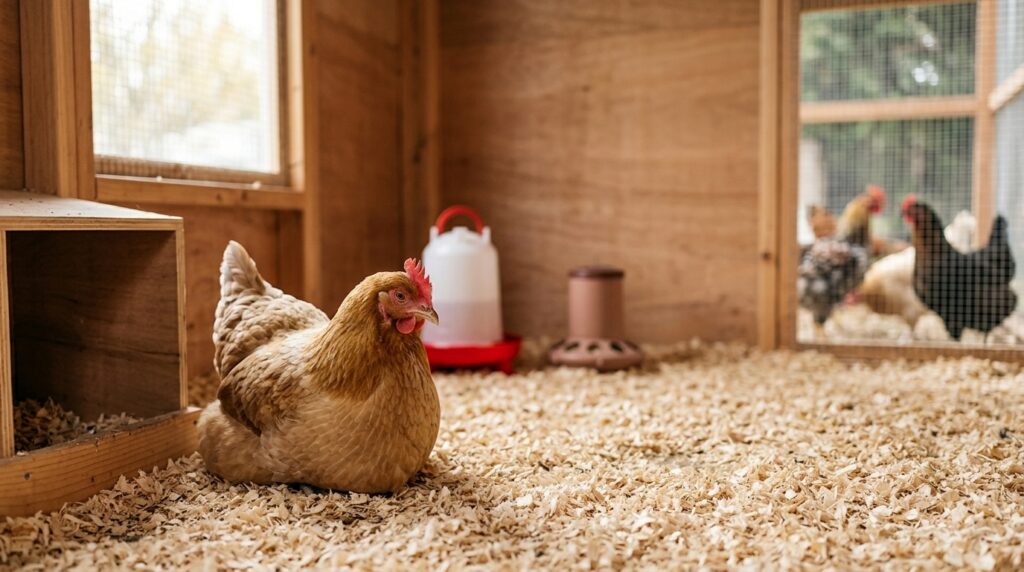
A normally active chicken spends its day scratching the ground, pecking at food, exploring its surroundings, and interacting with the flock. When a chicken suddenly becomes quiet, sits in one spot, closes its eyes frequently, or loses interest in food, something may be wrong.
Lethargy is a symptom, not a diagnosis. It can result from heat stress, dehydration, parasites, injury, reproductive problems, or an infectious disease. Some causes are relatively mild, while others can become life-threatening within hours.
The key is to notice changes early, check for other symptoms, and know when home observation is no longer enough.
🐔 1. Heat Stress and Dehydration
Hot weather is a common concern for backyard chickens, especially in warm, humid climates. Chickens cannot cool themselves by sweating. Instead, they rely on behaviors such as panting and holding their wings away from their bodies.
Signs to watch for:
- Panting or breathing with an open beak
- Wings held away from the body
- Reduced activity and appetite
- Drinking more water than usual
- Weakness, unsteadiness, or collapse in severe cases
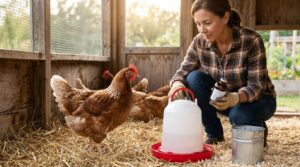
What you can do: Move the chicken to a cooler, shaded, well-ventilated area. Provide clean, cool drinking water and reduce handling. Check that the entire flock has access to shade and water.
Severe weakness, collapse, or difficulty breathing requires urgent veterinary attention. Do not pour water into a weak chicken’s beak because it may inhale the liquid.
🪱 2. Internal or External Parasites
Parasites can gradually weaken a chicken by irritating its skin, feeding on its blood, or interfering with nutrient absorption.
External parasites include mites and lice. Depending on the species, they may be found around the vent, beneath the wings, or in the coop’s cracks and crevices. Internal parasites, including certain worms, may cause weight loss, poor condition, or digestive problems.
Possible warning signs:
- Pale comb or wattles
- Weight loss despite eating
- Dirty or irritated feathers around the vent
- Excessive scratching or feather picking
- Reduced egg production
- Diarrhea or abnormal droppings
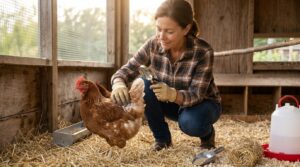
What you can do: Inspect the chicken’s skin and feathers, particularly around the vent and beneath the wings. Examine the coop and roosting areas for signs of mites. If internal parasites are suspected, a veterinarian may recommend a fecal examination and appropriate treatment.
Avoid treating every case of lethargy with a dewormer or insecticide. The correct treatment depends on the parasite involved, the product’s approved use, and any egg or meat withdrawal requirements.
🦠 3. Infectious Disease
A chicken may become lethargic because of a bacterial, viral, fungal, or protozoal disease. Some illnesses begin with vague symptoms before more obvious signs develop.
Possible accompanying symptoms include:
- Reduced appetite or water intake
- Diarrhea or unusual droppings
- Nasal discharge, sneezing, or swollen eyes
- Coughing, wheezing, or labored breathing
- A sudden decline in egg production
- Weakness or unusual behavior
Coccidiosis, for example, can cause lethargy, poor appetite, weight loss, and sometimes bloody droppings, particularly in young birds. Respiratory infections can produce breathing difficulties or discharge. However, these symptoms overlap across many conditions, so appearance alone cannot reliably identify the disease.
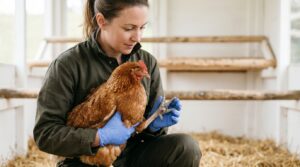
What you can do: Separate the sick bird from the flock when practical, using separate food and water containers. Wash your hands after handling it, clean contaminated equipment, and contact a veterinarian for diagnosis and treatment guidance.
If several birds become ill or die suddenly, seek urgent veterinary advice. Some serious poultry diseases require immediate reporting to animal-health authorities. Avoid moving birds, selling them, or sharing equipment until you have received appropriate guidance.
🥚 4. Egg Binding and Other Reproductive Problems
A laying hen that becomes weak, repeatedly strains, or spends long periods sitting may have an egg-related problem. Egg binding occurs when an egg becomes retained in the reproductive tract, but similar signs can occur with other reproductive or abdominal conditions.
Possible warning signs:
- Repeated straining without laying an egg
- An unusually wide or stiff-legged stance
- Frequent trips to the nesting box
- A swollen or uncomfortable-looking abdomen
- Reduced droppings
- Tail pumping, weakness, or a penguin-like posture
Egg binding can become an emergency, especially when accompanied by marked weakness, breathing difficulty, or collapse.
What you can do: Keep the hen quiet, warm without overheating, and minimally stressed while arranging veterinary care. Do not squeeze her abdomen, attempt to pull an egg out, or insert oils or other substances into the vent. These actions can cause injury.
A veterinarian can determine whether an egg is retained or another reproductive problem is responsible.
🩹 5. Injury, Foot Problems, or Pain
Chickens often hide signs of pain. A bird with a foot injury, damaged leg, wound, or painful joint may become inactive because moving is uncomfortable.
Check for:
- Limping or reluctance to stand
- Swelling in the feet or joints
- Cuts, punctures, or bleeding
- A dark scab or swelling on the foot pad
- Drooping wings or an unusual posture
- Signs of pecking or predator injury
Bumblefoot, a condition involving inflammation and often infection of the foot pad, can make walking painful. However, not every dark spot on a foot is bumblefoot, and not every limp originates in the feet.
What you can do: Place the bird in a clean, quiet enclosure with easy access to food and water. Look gently for visible injuries without forcing the leg or foot to move. Seek veterinary care for deep wounds, significant swelling, suspected fractures, or an inability to stand.
Do not cut into foot swelling or attempt invasive treatment at home.
🌾 6. Poor Nutrition or Problems With Feed
A nutritionally unbalanced diet can contribute to weakness, poor growth, reduced egg production, and other health problems. Chickens fed mostly scratch grains, table scraps, or treats may not receive the balanced nutrients they need.
Feed-related problems can also occur when feed becomes damp, moldy, contaminated, or difficult for birds to access.
Check the following:
- Is the feed appropriate for the chicken’s age and purpose?
- Is fresh feed available to the entire flock?
- Has the feed become wet, moldy, or unusually foul-smelling?
- Are treats or scratch grains displacing too much balanced feed?
- Is clean drinking water always available?
What you can do: Provide an appropriate complete poultry feed and fresh water. Discard visibly moldy or contaminated feed rather than trying to salvage it. If lethargy persists despite correcting access to food and water, seek veterinary advice instead of assuming nutrition is the only problem.
🐓 7. Stress, Bullying, or Environmental Changes
Not every inactive chicken has an infection. Social stress, overcrowding, a recent move, predator disturbances, or competition at feeders can affect behavior and eating.
Look for:
- Pecking or chasing by other chickens
- Feather loss or wounds
- A bird being prevented from reaching food or water
- Recent changes to the flock or coop
- Poor ventilation or damp bedding
- Disturbances that interfere with resting
What you can do: Observe the flock without disturbing it too much. Make sure there is enough space and that subordinate birds can reach feeders, drinkers, and safe resting areas. Correct ventilation problems and remove persistently damp bedding.
Do not assume stress is the cause when a chicken is severely weak, breathing abnormally, or refusing food and water. Environmental stress and illness can occur together.
💩 8. Abnormal Droppings and Digestive Problems
A change in droppings can provide useful clues when a chicken is lethargic. However, droppings naturally vary with diet and hydration, and some normal droppings are loose or dark.
Pay attention to persistent changes such as:
- Repeated watery diarrhea
- Blood in the droppings
- Marked changes in color or consistency
- Very few droppings in a bird that is eating less
- Droppings containing visible worms
Blood in the droppings, particularly alongside weakness or poor appetite, deserves prompt veterinary attention. It can occur with coccidiosis and other serious conditions.
Take a clear photograph of unusual droppings and note when the change began. A veterinarian may recommend a fecal examination or other diagnostic testing.
🚨 When Is a Lethargic Chicken an Emergency?
Do not wait until the next day if your chicken shows any of the following:
- Collapse, inability to stand, or severe weakness
- Labored breathing or gasping
- Seizures, loss of coordination, or sudden paralysis
- Significant bleeding or a serious wound
- Severe straining with suspected egg binding
- Bloody droppings accompanied by weakness
- Rapid deterioration or refusal to drink
- Multiple sick birds or sudden unexplained deaths
Contact a veterinarian or local animal-health service urgently. Keep the bird quiet and safely separated when practical, and minimize handling.
If several chickens are affected at once, treat the situation as potentially contagious or environmental. Report unusual clusters of illness or sudden deaths to the appropriate veterinary authorities.
🔎 A Quick Checklist for Backyard Chicken Owners
When you notice lethargy, work through these observations:
- Behavior: Is the chicken standing, walking, and responding normally?
- Breathing: Is it panting because of heat, or struggling to breathe?
- Appetite: Is it eating and drinking normally?
- Comb and face: Do they look unusually pale, blue, or swollen?
- Droppings: Are there persistent changes, blood, or very few droppings?
- Feet and feathers: Are there wounds, swelling, parasites, or irritation?
- Laying behavior: Is the hen straining or showing signs of reproductive distress?
- Flock health: Are other birds showing similar symptoms?
Write down when the symptoms started, recent weather conditions, changes in feed, egg production, and any other affected birds. These details can help a veterinarian narrow down the cause.
🩺 Should You Isolate a Lethargic Chicken?
When possible, place a sick chicken in a secure, clean enclosure away from the main flock, especially if an infectious disease is possible. Provide easy access to familiar feed and clean water, and keep the enclosure at a comfortable temperature.
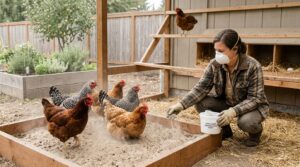
Use separate equipment, wash your hands, and clean footwear or surfaces that may have been contaminated. Avoid unnecessary movement of birds if a serious contagious disease is suspected.
Isolation should not delay emergency care. If the chicken is collapsing, struggling to breathe, or rapidly deteriorating, seek veterinary assistance immediately.
Final Thoughts 🐔
A lethargic chicken is telling you that something has changed, even if the cause is not immediately obvious. Heat stress, dehydration, parasites, infection, pain, reproductive problems, and nutritional issues can all affect activity levels.
Start by checking the bird’s environment, breathing, food and water intake, droppings, and ability to stand. Correct obvious environmental problems, reduce stress, and record any additional symptoms.
Most importantly, do not treat lethargy as a disease by itself or rely on a single symptom to choose medication. Early veterinary assessment can make a significant difference when the underlying problem is serious. Observing your flock every day helps you recognize what is normal, identify changes sooner, and respond before a small warning sign becomes a bigger problem.