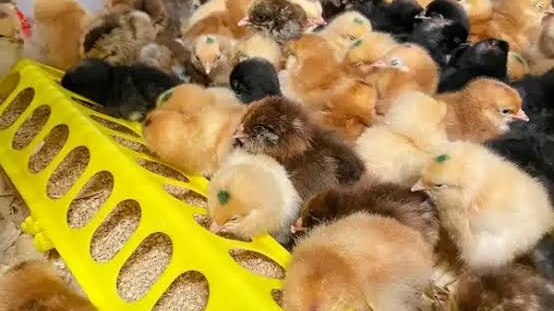
Spring is one of the most exciting times of year for backyard chicken keepers. As temperatures rise, feed stores and farm supply stores across the United States begin stocking baby chicks. For beginners, walking into a store and seeing a tank full of fluffy chicks can make starting a flock seem incredibly easy.
But buying chicks should involve more than choosing the cutest birds.
Before you bring home baby chickens from a feed store, you need to understand their breed, age, sex, health, vaccination status, minimum purchase requirements, and care needs. You also need to make sure your brooder is ready before you leave the store.
Whether you are shopping at a local farm supply store or a large retailer such as Tractor Supply, this guide explains what to check before buying.
Why Do Feed Stores Sell Chicks in Spring?
Baby chicks are commonly associated with spring because warmer weather makes raising young poultry easier for many backyard keepers.
Feed stores also use chick season to introduce customers to poultry supplies. When you buy chicks, you may also need chick starter feed, bedding, feeders, waterers, heat equipment, and other supplies.
For a beginner, this can actually be convenient. Instead of visiting several stores, you may be able to purchase the birds and most of their basic supplies in one trip.
The downside is that availability varies.
A store may have only a handful of breeds, and popular breeds may sell quickly. If you have a specific breed in mind, ask when new shipments are expected rather than assuming the chicks will still be available when you return.
Don’t Buy Chicks Before Checking Your Local Rules
Before you visit a feed store, check whether chickens are allowed where you live.
Local rules can address the number of hens you may keep, whether roosters are permitted, where a coop can be located, property setbacks, sanitation, and other requirements.
This matters because baby chicks grow quickly.
A small box of six chicks may look harmless when they are only a few days old, but they will eventually become adult chickens requiring adequate housing and outdoor space.
If roosters are prohibited in your area, knowing the sex of the chicks becomes especially important.
1. Find Out the Breed
Do not buy a chick simply because it looks cute.
Ask what breed or breed type you are purchasing.
Different chicken breeds can vary in adult size, egg color, egg production, temperament, appearance, and suitability for different climates.
Some breeds are commonly chosen for reliable egg production, while others are popular because of their appearance or personality.
If you want a specific characteristic, make sure you know the breed before purchasing.
Also ask whether the birds are purebred, mixed, or sold under a general breed category.
The label on the brooder area should be your starting point, but if you have questions, ask the store employee for clarification.
2. Understand Sexed vs. Straight-Run Chicks
One of the most important terms to understand is straight run.
Straight-run chicks have not been separated by sex. You are buying an unsexed group and could receive males, females, or a mixture.
Sexed chicks, on the other hand, have been processed or selected according to sex, depending on the hatchery and seller.
If your goal is an egg-laying flock, you will usually want to understand exactly what you are purchasing before paying.
Do not assume that every chick in a bin is a pullet.
If the label says “straight run,” ask what that means for your purchase.
This is particularly important if your local regulations restrict roosters.
3. Ask How Old the Chicks Are
Age matters because young chicks have different care requirements from older birds.
Ask the store when the chicks arrived and, if available, their hatch date.
Knowing the age can help you understand what they have already experienced and what they need next.
You can also ask:
- How long have they been in the store?
- What feed are they eating?
- Have they been drinking normally?
- Have any chicks become sick?
- When were they last checked?
A store that can provide clear information about the birds’ arrival and care gives you a better starting point than simply guessing.
4. Look at the Chicks Before Buying
Take a few minutes to observe the entire group.
Healthy-looking chicks should generally be active and responsive.
Look for:
- Clear, open eyes
- Normal movement
- Clean appearance
- Normal breathing
- Properly formed legs and feet
- No obvious injuries
- Clean vent area
- Ability to walk normally
You should also observe the group as a whole.
Are most chicks active? Are they eating and drinking? Are they moving normally around the brooder?
A chick that is temporarily resting is not necessarily sick. Chicks naturally alternate between periods of activity and sleep.
The goal is to look for obvious signs of distress rather than judging a bird based on one moment.
5. Ask About Vaccinations
Vaccination policies vary by hatchery, supplier, and store.
Do not assume that chicks have received every vaccination simply because they are being sold commercially.
Ask specifically:
“Which vaccinations have these chicks received?”
Also ask whether the chicks were vaccinated at the hatchery or through another part of the supply chain.
If you are unsure what a particular vaccination means for your flock, write down the name and discuss it with a poultry veterinarian or other qualified poultry-health professional.
Keep any available vaccination records with your flock information.
6. Find Out What They Are Eating
Ask what feed the chicks have been eating while at the store.
This is useful because sudden changes in feed can create unnecessary disruption during an already stressful transition.
For young chicks, you generally need an appropriate chick starter feed, rather than adult layer feed.
Ask whether the store recommends medicated or non-medicated starter feed for your particular flock situation, and follow the product directions and advice from your poultry professional when disease prevention is a concern.
You should also have feed ready at home before buying the chicks.
7. Check the Minimum Purchase Requirement
Some stores have policies requiring customers to purchase a minimum number of chicks.
This can be important for beginners who only want two or three birds.
Ask:
- Is there a minimum purchase?
- Does the minimum depend on breed?
- Can different breeds be combined?
- Are chicks sold individually?
- Are there special rules for purchasing straight-run birds?
Do not assume that you can simply choose any number from the brooder.
Store policies can vary.
8. Don’t Forget the Brooder Supplies
Buying the chicks is only the beginning.
Before leaving the store, make sure you have everything required for the first stage of their lives.
A basic chick setup may include:
- Brooder
- Appropriate heat source
- Chick starter feed
- Feeder
- Waterer
- Clean bedding
- Thermometer
- Safe enclosure
- Draft protection
- Adequate ventilation
Your brooder should already be prepared before the chicks come home.
Do not put chicks into a cold, unfinished enclosure while you figure out the setup.
9. Ask What Happens If a Chick Becomes Sick
Before paying, ask the store what its policy is if a chick becomes seriously ill or dies shortly after purchase.
Save your receipt.
If the chicks came from a hatchery or supplier, keep any identifying information associated with the shipment.
If a health problem develops, document what you observe and contact the seller promptly.
Avoid assuming that every illness has the same cause. Transportation, environmental conditions, disease exposure, nutrition, and individual health can all play a role.
Feed Store Chick Buying Checklist
Before purchasing baby chicks, check each item:
About the chicks
- Breed identified
- Age or hatch date known
- Sexing status understood
- Straight-run explained
- Vaccination information checked
- Current feed identified
Health observation
- Eyes look clear
- Chicks are active
- Breathing appears normal
- Legs and feet appear normal
- No obvious injuries
- Vent area appears clean
- Group appears generally active
Before taking them home
- Local chicken rules checked
- Minimum purchase confirmed
- Brooder ready
- Heat source ready
- Chick starter available
- Waterer ready
- Feeder ready
- Bedding ready
- Store return/health policy understood
- Receipt saved
The Biggest Mistake: Buying First and Preparing Later
The easiest mistake for a new chicken keeper is to walk into a feed store without a plan.
You see a group of fluffy chicks, fall in love with them, and decide to figure everything out afterward.
That approach can create unnecessary problems.
Instead, prepare your brooder, check your local regulations, decide how many chickens you can realistically keep, and research the breeds you are considering before going to the store.
Then you can evaluate the available chicks instead of letting the available chicks determine your entire flock.
Final Thoughts
Feed store chicks can be a convenient way for beginners to start a backyard flock. You can often see the birds in person, ask questions, purchase supplies at the same location, and take the chicks home without dealing with shipping.
But convenience should not replace preparation.
Before buying baby chickens at a feed store, understand the breed, sex, age, health information, vaccination status, feed, and purchase requirements. Most importantly, make sure your brooder is ready before the chicks leave the store.
A few extra minutes of checking can help turn an impulse purchase into a well-planned start to your backyard chicken flock.