Ordering baby chicks online can feel strange the first time. You choose a breed on a website, place an order, wait for a shipping date, and then somehow a box containing live chicks is expected to arrive at your local post office or delivery location.
For thousands of backyard chicken keepers, however, mail order chicks are a practical way to build a flock. Hatcheries can offer breeds that are difficult to find locally, and ordering online lets you plan your flock before spring arrives.
But successful chick shipping depends heavily on preparation. The chicks are only one part of the process. You also need the right timing, a prepared brooder, a reliable delivery plan, and a clear understanding of what to do when the box arrives.
How Does Mail-Order Chick Shipping Work?
The process usually begins several weeks before the chicks actually arrive.
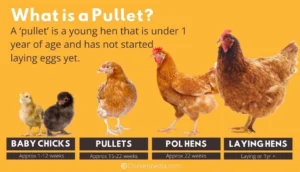
First, you choose a hatchery and select your breeds. You may also need to choose whether you want pullets, cockerels, or straight-run chicks.
You then select an available hatch date. The hatchery schedules your chicks to hatch around that date and prepares the order for shipment.
Newly hatched chicks have a unique biological advantage: they can live for a limited period after hatching without immediately eating and drinking because they absorb nutrients from the yolk before hatching.
That characteristic helps make short-distance transportation possible.
However, it does not mean chicks can safely tolerate unlimited shipping delays. Temperature, handling, travel time, and general stress still matter.
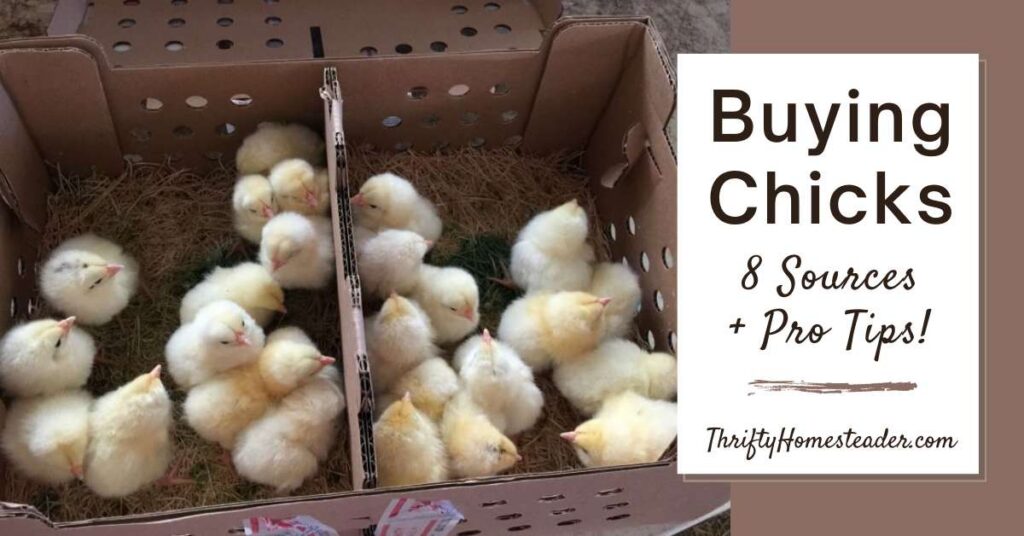
Once the chicks are ready, the hatchery packages them in a ventilated shipping container designed specifically for live poultry. The shipment is then transported through the carrier system toward its destination.
Depending on the hatchery and shipping arrangement, you may receive a notification or be contacted when the chicks are ready for pickup.
Why Can’t You Treat the Shipment Like a Normal Package?
A box of baby chicks is very different from a box of clothing or household supplies.
Chicks need warmth, ventilation, and access to enough energy and moisture during transportation.
The shipping container therefore needs to provide ventilation without exposing the chicks to excessive temperature changes.
The number of chicks in the shipment can also matter. A group of chicks can collectively produce body heat, while a very small shipment may have less thermal mass.
Weather is another major variable.
A shipment traveling through freezing temperatures can face very different conditions from one traveling through hot weather.
This is why experienced chicken keepers pay attention to the expected weather along the shipping route and avoid casually ordering chicks during unsuitable conditions when possible.
What Can Go Wrong During Shipping?
Mail-order chicks usually arrive successfully, but shipping live animals always involves some risk.
Potential problems include:
Delivery delays
A delay can extend the amount of time chicks spend in transportation.
A one-day delay can be especially concerning when weather conditions are unfavorable.
Temperature stress
Extreme cold and extreme heat can both create problems.
Chicks need warmth, but excessive heat can also become dangerous.
Dehydration
Young chicks can become stressed and dehydrated during transportation, particularly if the journey takes longer than expected.
Weak chicks
Some chicks may arrive active and healthy while another appears noticeably weaker.
This does not automatically tell you exactly what caused the problem. It may be related to transportation, individual health, hatch timing, or other factors.
Losses during shipment
Unfortunately, live-animal shipping cannot guarantee that every chick will arrive successfully.
Before ordering, understand the hatchery’s live-arrival policy and know exactly how to report a problem.
Prepare the Brooder Before the Chicks Ship
One of the biggest mistakes beginners make is waiting until the chicks arrive before preparing their brooder.
Don’t.
The brooder should be completely ready before the hatchery ships the chicks.
You should have:
- A secure brooder area
- Appropriate heat
- Clean bedding
- Chick starter feed
- Clean drinking water
- A suitable feeder
- A suitable waterer
- Safe ventilation
- Protection from drafts
- A way to monitor the brooder temperature
The brooder should be warm and functioning before the chicks enter it.
Never assume that you can assemble everything after the delivery arrives.
A shipment may arrive early in the morning, and you may have very little time to prepare.
What to Do When Your Chicks Arrive
The first few minutes matter.
Open the container promptly and inspect the chicks.
First, count them.
Make sure the number of chicks matches your order.
Next, observe their general condition.
Are they moving? Are they alert? Are they breathing normally? Do any appear significantly weaker than the others?
Do not spend a long time handling them unnecessarily. The goal is to identify obvious problems and get them into their prepared brooder.
Place the chicks in the warm brooder and provide access to clean water and appropriate chick starter feed.
Watch them closely during the first several hours.
The First 24 Hours: What Should You Watch?
The first day is mainly about observation.
You want to see chicks gradually become more active, drink, eat, rest, and move normally between warmer and cooler areas of the brooder.
Behavior can tell you a lot.
If chicks are constantly crowding directly underneath the heat source, they may be too cold.
If they are consistently moving as far away from the heat as possible and appear uncomfortable, the brooder may be too warm.
If they are spread out comfortably, active, and periodically eating and drinking, the setup may be closer to what they need.
Avoid making decisions based on a single temperature number alone. The chicks’ behavior is an important part of assessing their comfort.
What Should You Do With a Weak Chick?
A chick that appears significantly weaker than its flockmates deserves close observation.
Look for problems such as difficulty standing, unusual breathing, severe lethargy, or inability to reach food and water.
If a chick cannot compete with stronger chicks, make sure it can access warmth, water, and feed safely.
If you believe a chick has arrived seriously ill or injured, contact the hatchery promptly. Follow the hatchery’s instructions rather than guessing about treatment.
Take clear photographs and keep your order information available.
Do not immediately assume that every problem is caused by shipping. A hatchery may need specific information to determine what happened and what assistance is appropriate.
10 Questions to Ask a Hatchery Before Ordering
Before placing an online order, ask or verify:
- What is the minimum number of chicks I can order?
- Are the chicks sexed or straight run?
- What breeds are available on my preferred hatch dates?
- How are chicks packaged for transportation?
- What shipping carrier or service is used?
- How will I know when the chicks ship?
- Where will I need to collect or receive the shipment?
- What happens if delivery is delayed?
- What is the hatchery’s live-arrival policy?
- What should I do if chicks arrive weak, injured, or dead?
Getting these answers before placing an order can prevent confusion when the shipment is already on its way.
Don’t Forget Local Rules
Before ordering chicks online, check your local chicken-keeping regulations.
Some cities and municipalities restrict the number of chickens allowed on residential properties. Some have rules concerning roosters, coop placement, setbacks, sanitation, or minimum property requirements.
You should also make sure your property can accommodate the adult birds.
Ordering six adorable chicks is easy. Finding out several months later that your planned flock exceeds a local limit is a much harder problem.
Is Ordering Chicks Online Worth It?
For many backyard chicken keepers, ordering chicks online is primarily about access and planning.
A hatchery may offer breeds you cannot find at nearby feed stores. You can choose a hatch date, plan your brooder setup, and build a flock around specific preferences.
The trade-off is that you are accepting the risks associated with shipping live animals.
That means preparation matters more than convenience alone.
Have your brooder ready before the shipment leaves the hatchery. Know your delivery arrangements. Monitor the weather when possible. Understand the hatchery’s policies. And most importantly, know what you will do during the first few hours after the chicks arrive.
Final Mail-Order Chick Checklist
Before ordering:
- Choose your breeds.
- Confirm the minimum order.
- Confirm whether chicks are sexed.
- Check the hatch date.
- Review the shipping policy.
- Review the live-arrival policy.
- Check local chicken regulations.
- Prepare your brooder.
- Purchase chick starter feed.
- Prepare clean water.
- Arrange your schedule so someone can receive or collect the chicks.
When the chicks arrive:
- Open the shipment promptly.
- Count the chicks.
- Check their general condition.
- Move them into the prepared brooder.
- Provide clean water and chick starter feed.
- Observe their behavior.
- Document serious problems.
- Contact the hatchery promptly if necessary.
Mail-order chicks are not simply another online purchase. You are arranging transportation for live animals that need immediate care when they arrive. With preparation, realistic expectations, and a ready brooder, the process can be much less stressful—and your new flock can get off to a strong start.