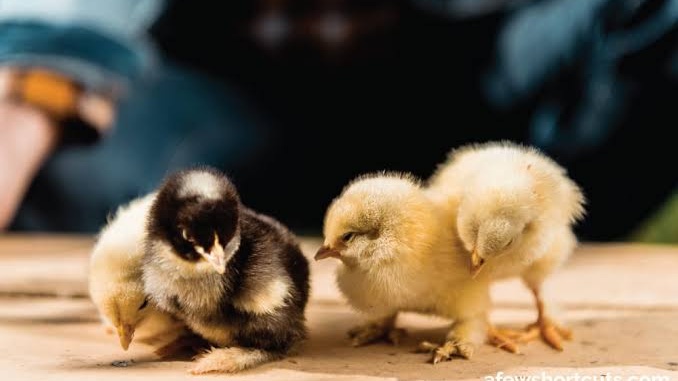
If you are starting a backyard flock, one of the first questions you will face is surprisingly simple: Where should you buy your chicks?
In the United States, three common options are mail-order hatcheries, local feed or farm supply stores, and independent chicken breeders. Each option has different advantages and trade-offs. A hatchery may give you dozens of breeds to choose from, while a feed store lets you bring chicks home the same day. A local breeder may give you more information about the birds’ parents and living conditions.
The right choice depends on your flock size, preferred breed, budget, location, and how much information you want before buying.
1. Buying Chicks From a Hatchery
A chicken hatchery is one of the most common ways to buy baby chicks in the U.S. Many hatcheries specialize in shipping day-old chicks directly to customers.
The biggest advantage is selection.
If you want a specific breed, such as Rhode Island Reds, Buff Orpingtons, Barred Rocks, Easter Eggers, Silkies, or another specialty breed, a hatchery may offer more choices than a local store.
You can usually select birds based on breed, egg color, appearance, temperament, or expected production characteristics.
Another advantage is convenience. You can place an order online rather than visiting several stores looking for a particular breed.
However, mail-order chicks require more planning.
Hatcheries may have minimum order requirements, particularly during colder periods. Some orders may include a minimum number of chicks because young birds need warmth during transportation.
Shipping also introduces another variable: transportation stress. Chicks may experience delays, temperature changes, or stress during the journey.
Before ordering, check the hatchery’s shipping policies carefully. Find out how chicks are shipped, what happens if there is a delivery problem, and what information you should provide if chicks arrive weak or dead.
Hatchery advantages
- Large selection of breeds
- Convenient online ordering
- Options for sexed chicks
- Specific breeds may be easier to find
- Useful for planned flock expansion
Hatchery disadvantages
- Minimum order requirements may apply
- Shipping creates transportation risks
- You cannot personally inspect the chicks before shipment
- Delivery timing requires planning
- You need a completely prepared brooder before the chicks arrive
If you already know which breeds you want and need several chicks, a hatchery can be a practical option.
2. Buying Chicks From a Feed Store
Feed stores and farm supply stores are another popular source of baby chicks, especially during the spring.
The biggest advantage is simple: you can usually see the chicks before buying them and take them home immediately.
For a first-time chicken keeper, this can be less intimidating than ordering chicks online.
You can observe the birds’ activity, ask employees questions, and determine which breeds are actually available that day.
Many stores sell chicks seasonally, so selection can vary. You may find popular breeds but not necessarily the exact breed you originally wanted.
Another important consideration is sex.
Some stores sell sexed pullets, while other chicks may be sold as straight run. A straight-run group has not been separated by sex, meaning you may end up with cockerels.
If your local regulations prohibit roosters or limit the number of chickens you can keep, this is especially important to understand before purchasing.
Feed store advantages
- Immediate pickup
- No shipping process
- You can inspect chicks before buying
- Often convenient for beginners
- Supplies such as feed, bedding, brooders, and waterers may be available in the same store
Feed store disadvantages
- Breed selection may be limited
- Availability is often seasonal
- Sexing options vary
- Store employees may not know every detail about the birds’ background
- Popular breeds may sell quickly
If you want common backyard breeds and prefer seeing the chicks in person, a feed store can be a straightforward starting point.
3. Buying Chicks From a Local Breeder
A local chicken breeder offers a very different buying experience.
Instead of purchasing from a large hatchery or retail store, you may be able to communicate directly with the person who raised the birds.
That can provide valuable information.
You can ask about the parents, breeding goals, feeding practices, vaccination history, housing conditions, and the characteristics of the particular line.
Depending on the breeder, you may also be able to see the adult flock.
This is particularly useful if you are interested in heritage breeds, unusual colors, exhibition birds, or specific bloodlines.
The trade-off is that local breeders may charge more, and availability can be limited.
You should also remember that buying from a local breeder does not automatically guarantee that chicks are healthier. You still need to inspect the birds and ask questions.
Look for active chicks with clear eyes, normal breathing, clean vents, properly formed legs and feet, and good overall activity.
Local breeder advantages
- Direct communication with the breeder
- Potential access to specialized breeds
- More information about parents and lineage
- Opportunity to ask detailed questions
- Sometimes the ability to see the flock and housing
Local breeder disadvantages
- Prices may be higher
- Availability can be limited
- Quality varies between breeders
- Some breeders may have little formal health documentation
- You may need to travel to pick up the chicks
Hatchery vs. Feed Store vs. Local Breeder
| Factor | Hatchery | Feed Store | Local Breeder |
|---|---|---|---|
| Breed selection | Usually high | Usually limited | Depends on breeder |
| Pickup | Shipped | Immediate | Usually local pickup |
| Minimum order | May apply | Store-dependent | Breeder-dependent |
| Inspect before purchase | No | Usually yes | Usually yes |
| Price | Varies | Often accessible | May be higher |
| Breed information | Usually detailed | Varies | Often very detailed |
| Transportation risk | Shipping involved | Minimal | Minimal |
| Specialty breeds | Often available | Less common | Often available |
| Convenience | High for planned orders | High for local buyers | Depends on location |
What Should You Check Before Buying?
Regardless of where you buy chicks, preparation should happen before the birds arrive.
Have a brooder ready with appropriate heat, clean bedding, fresh water, and chick starter feed.
When buying chicks, ask:
- What breed are these chicks?
- Are they sexed?
- How old are they?
- Have they received vaccinations?
- What feed are they currently eating?
- What is the minimum number I need to buy?
- What should I do if a chick becomes weak after purchase?
- What is the seller’s replacement or refund policy?
If you are ordering from a hatchery, also ask about shipping dates and delivery procedures.
If you are buying from a breeder, ask whether you can see the parents and housing area.
What to Do When Mail-Order Chicks Arrive
If you choose a hatchery, prepare the brooder before the shipping date.
When the chicks arrive, inspect them promptly. Count the birds, observe their activity, and check for obvious signs of weakness or injury.
Move them into the prepared brooder, make clean water available, and provide appropriate chick starter feed.
Keep the shipping box and order information until you are confident all chicks are doing well. If there is a serious problem, contact the hatchery promptly and follow its instructions.
The Best Buying Method Depends on Your Priorities
There is no single way to buy chicks that works for every backyard chicken keeper.
A hatchery makes sense when breed selection and planned ordering are important. A feed store can be convenient when you want to see chicks in person and take them home immediately. A local breeder can be useful when lineage, breed-specific information, and direct communication matter.
The most important step is not choosing the “perfect” seller. It is making sure the chicks you purchase fit your local regulations, available space, budget, and long-term flock plan.
Before you buy those adorable little birds, have the brooder ready, understand what you are purchasing, and know what your flock will need after the chick stage.
That preparation can make the difference between simply bringing home baby chicks and successfully starting a backyard flock.