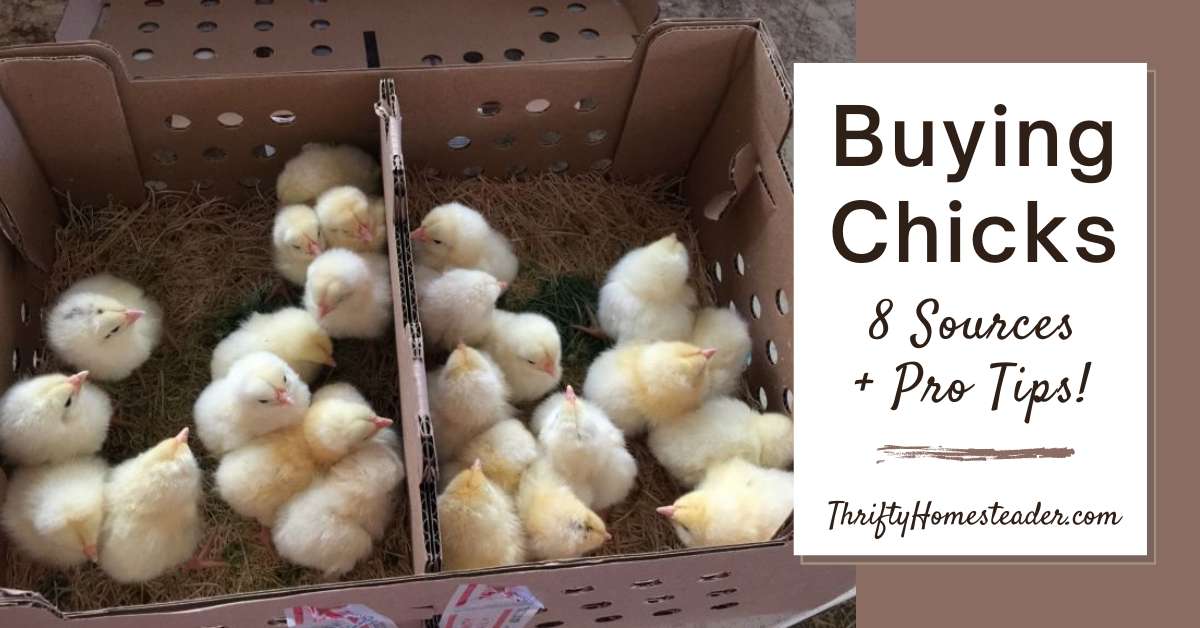
Buying a few chickens can sound surprisingly inexpensive. You may see chicks selling for only a few dollars each and think, “How much could it really cost to get started?”
The answer is: quite a bit more than the price of the birds.
For a backyard flock, the chickens are only one part of the startup equation. Before your first egg arrives, you may need a coop, secure run, fencing, feeders, waterers, bedding, feed, predator protection, and possibly brooding equipment. Depending on whether you buy a finished setup or build it yourself, startup costs can vary dramatically.
If you are planning a flock in 2026, the most useful approach is to calculate the complete cost of getting your chickens safely established, rather than focusing on the price of the birds alone.
The $5 Chick Isn’t Really a $5 Chicken
Imagine you find day-old chicks for $5 each.
Six chicks cost only $30.
That sounds affordable—until you start adding everything they need.
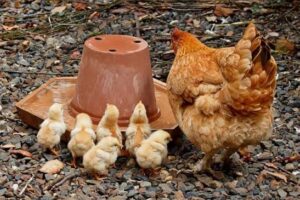
Young chicks cannot simply be placed outside in a backyard coop. They need a warm, protected brooding environment, appropriate chick starter feed, clean water, bedding, and protection from drafts and predators.
Then, as they grow, they eventually need a secure coop and run.
This is why the purchase price of a chicken can be misleading. A $5 chick can become part of a startup project costing hundreds of dollars.
The good news is that many of these expenses are infrastructure costs. Once you have a safe coop, fencing, feeders, and other equipment, you can use much of it for future chickens.
The Biggest Startup Expense: The Coop
For many backyard chicken keepers, the chicken coop is the largest single startup expense.
There are several ways to approach it.
A DIY coop may cost relatively little if you already have lumber, roofing materials, tools, and construction experience. On the other hand, a professionally built or high-end prefabricated coop can cost substantially more.
When comparing coops, don’t focus only on appearance.
Look for:
- Adequate ventilation
- Protection from rain and wind
- Secure doors
- Easy cleaning
- Appropriate roosting space
- Nesting areas
- Predator-resistant construction
- Convenient access for collecting eggs
A cheap coop that is difficult to clean or easy for predators to enter may ultimately cost more than a slightly more expensive but better-designed structure.
Also remember that the coop is only part of the housing system.
Your chickens need a secure outdoor area as well.
Don’t Forget the Chicken Run
The run is where another major expense can appear.
A chicken run allows your birds to move around outdoors while providing protection from predators and helping keep them contained.
Basic chicken wire may look inexpensive, but it is not always enough to provide comprehensive predator protection. Depending on your local wildlife and setup, you may need stronger fencing or hardware cloth, secure fasteners, buried barriers, and reinforced doors.
The exact design depends on your property and local predator risks.
A useful rule for budgeting is to think of the coop and run as one system, rather than treating the run as an optional accessory.
A beautiful coop with an insecure run is still an incomplete chicken setup.
Day-Old Chicks vs. Started Pullets
Another major startup decision is the age of the chickens you buy.
Day-Old Chicks
Day-old chicks are usually the lower-cost option at purchase.
However, they require more equipment and more time.
You may need:
- Brooder
- Heat source
- Chick feeder
- Chick waterer
- Chick starter feed
- Bedding
- Temperature monitoring
- Additional protection
You also have to wait until the birds mature before you get eggs.
For someone who enjoys raising animals from a young age, this can be part of the experience. But it isn’t necessarily the cheapest option once every associated expense is included.
Started Pullets
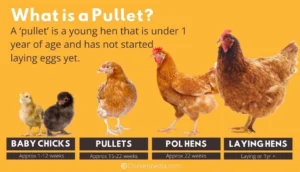
Started pullets are young female chickens that are older than day-old chicks and closer to laying age.
They generally cost more upfront.
However, you may avoid some brooding expenses and reduce the amount of time you spend feeding and caring for young chicks before they reach laying age.
This creates an important budgeting trade-off:
Lower purchase price does not automatically mean lower total startup cost.
Before choosing, compare the complete cost of each option.
Feeder and Waterer Costs
Feeders and waterers are easy to overlook because they seem like small purchases.
But you need reliable equipment from the beginning.
A feeder should help reduce feed waste and keep food reasonably clean. Your waterer should provide dependable access to clean water and be easy to refill and clean.
Depending on flock size and design, you may need more than one feeder or water source.
Some chicken keepers also eventually upgrade their equipment after discovering that their original setup is inconvenient.
Therefore, your startup budget should include not only the initial purchase but also a small amount for equipment upgrades.
Feed Before the First Egg
Feed is another important expense that begins before your hens start producing eggs.
If you buy chicks, you will need chick starter feed during their early growth period. Later, their diet changes as they mature.
This means you can spend money on feed for weeks or months before collecting your first egg.
That period is particularly important when calculating the true cost of starting a flock.
A simple calculation is:
Pre-Laying Feed Cost = Number of Birds × Feed Consumed × Local Feed Price
Your actual number will depend on the age and size of your chickens, the feed formulation, local prices, and feed waste.
Do not assume that backyard chickens will immediately produce something of equal value to everything you spend on them.
Brooder Equipment Can Be Temporary
If you choose day-old chicks, brooding equipment becomes part of your startup budget.
A brooder needs to provide a warm, secure environment during the chicks’ early development.
Some equipment can be reused for future batches of chicks, which makes the initial expense easier to justify if you plan to continue raising chickens.
If you only plan to start one flock, however, it is worth thinking carefully about how much equipment you actually need.
You may be able to borrow or purchase certain reusable items rather than buying expensive specialty equipment.
The goal should be safe and appropriate, not unnecessarily elaborate.
Bedding and Basic Supplies
Bedding is another small expense that becomes significant when several small purchases accumulate.
You may need bedding for both the brooder and the adult coop.
Depending on your system, you could also need:
- Cleaning supplies
- Nesting material
- Grit
- Calcium supplements for laying hens
- Feed storage containers
- Replacement bulbs or equipment
- Basic first-aid supplies
None of these items necessarily breaks the budget individually.
The problem is that beginners often forget to include them at all.
A Realistic Startup Budget
For a small flock, your initial budget might look something like this:
| Startup Item | Budget Range |
|---|---|
| Chickens or started pullets | $30–$150+ |
| Coop | $150–$600+ |
| Run and fencing | $100–$400+ |
| Feeder and waterer | $30–$100 |
| Brooder equipment | $40–$150 |
| Initial feed | $25–$75 |
| Bedding | $15–$40 |
| Grit/supplements | $10–$30 |
| Predator protection | $30–$150+ |
| Miscellaneous supplies | $25–$100 |
| Approximate total | $455–$1,795+ |
These are planning ranges rather than fixed national prices. Your actual cost can be considerably lower with a DIY setup and existing materials, or considerably higher with a large premium coop and extensive fencing.
The coop and run are the biggest variables.
How to Keep Startup Costs Under Control
You don’t have to build the most expensive chicken setup to keep a healthy flock.
Start by determining how many chickens you actually want.
Then check your local regulations before buying anything. Some cities, counties, neighborhoods, or homeowners’ associations have restrictions concerning flock size, roosters, coop placement, or setbacks.
Next, price the entire project before purchasing the chickens.
Create separate categories for:
Housing + Fencing + Birds + Feeding Equipment + Feed + Brooding + Bedding + Predator Protection + Emergency Reserve
This approach makes hidden expenses much easier to identify.
You can also save money by buying durable equipment, reusing appropriate materials, building your own coop if you have the skills, and avoiding decorative features that do not improve animal care.
But don’t economize on basic safety.
Your First Egg Is Not the Break-Even Point
It can be tempting to think that once your hens begin laying, your investment has “paid for itself.”
In reality, the first egg simply marks the beginning of egg production.
You still have ongoing expenses for feed, bedding, supplements, repairs, and general care.
That is why backyard chicken keeping should not be approached purely as a grocery-cost reduction strategy.
During the first year especially, your cost per dozen eggs may be much higher than the supermarket price because you are also paying for the infrastructure required to produce those eggs.
Over time, however, the economics can change because your coop, fencing, and equipment have already been purchased.
Final Thoughts
The most important lesson about backyard chicken startup costs is simple:
Don’t budget for the chickens. Budget for the entire chicken system.
A few inexpensive chicks may be the smallest part of the project.
Before your first egg, you may already have paid for housing, fencing, predator protection, feed, bedding, brooding equipment, feeders, waterers, and other supplies.
For many beginners, a realistic small-flock startup budget can range from several hundred dollars to well over $1,000, depending heavily on housing and fencing choices.
Planning the complete cost before bringing chickens home gives you a much clearer picture of what you’re actually committing to—and helps prevent the classic mistake of buying inexpensive chicks first and discovering the real expenses afterward.