The Flock Renaissance: Why Backyard Birds Are No Longer Just Chickens
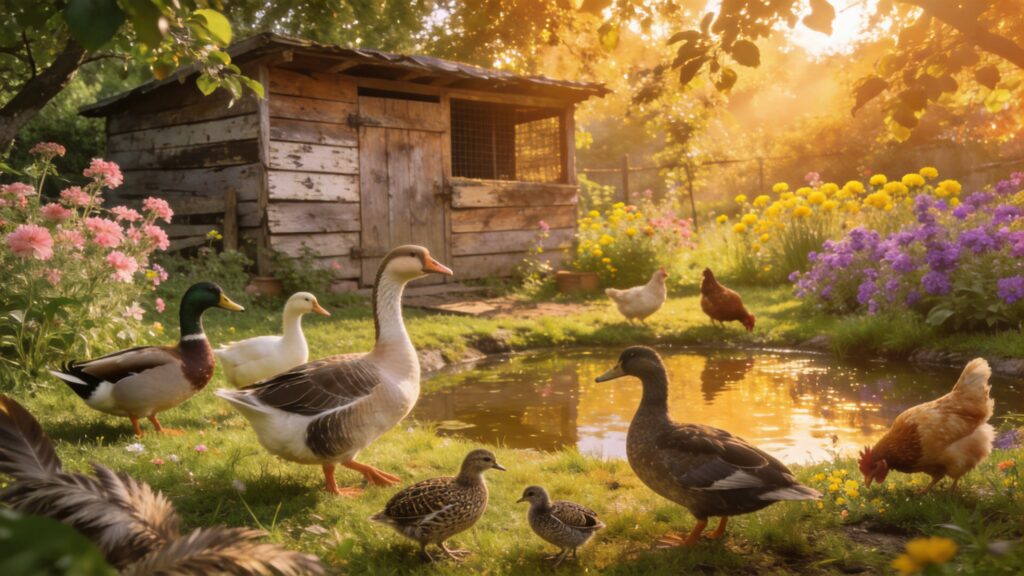
For decades, the American backyard poultry scene has been dominated by the humble chicken—a reliable layer, a quiet companion, and the gateway bird for homesteaders. But a quiet revolution is underway. From suburban Portland to rural Vermont, keepers are looking beyond the classic hen to ducks, geese, and quail. This shift isn’t just about novelty; it reflects deeper changes in how we think about food, land use, and resilience. What’s driving this diversification, and what does it mean for the future of small-scale poultry?
Why Homesteaders Are Breaking Out of the Chicken Coop
The decision to expand beyond chickens isn’t arbitrary. Several practical, ecological, and economic forces are converging to make alternative poultry an attractive choice for modern homesteaders.
Biological Resilience and Pest Management
Chickens, while versatile, have vulnerabilities. They are prone to respiratory diseases, predatory attacks, and heat stress. Ducks, by contrast, are naturally more resistant to many avian illnesses and thrive in wet, cool climates where chickens struggle. Geese serve as living alarm systems, deterring raccoons, hawks, and even unwelcome two-legged visitors. Quail, being fast-maturing and highly disease-resistant, offer a low-risk entry point for those with limited space or experience.
Perhaps the most compelling driver is pest control. A single Muscovy duck can consume hundreds of slugs, snails, and mosquito larvae daily—a boon for organic gardeners. Geese are voracious grazers that can replace string trimmers and herbicides, clearing overgrown patches with surgical precision.
“I switched from chickens to a mixed flock three years ago,” says Martha Chen, a homesteader in upstate New York. “My duck eggs sell for double the price of chicken eggs, and my goose patrols the perimeter so effectively that I haven’t lost a single bird to a predator since. The chickens still have their place, but the ducks and geese are the real workhorses.”
Space Efficiency and Urban Constraints
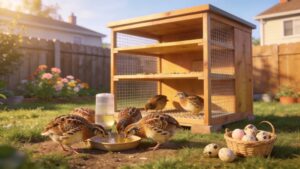
Not every homestead has an acre of pasture. Quail, for instance, can be raised in a stackable cage system that fits on a balcony or in a small backyard. They reach butcher weight in just 6–8 weeks and start laying at 6 weeks old, outpacing any chicken breed. As cities tighten regulations on roosters and flock sizes, quail offer a quiet, legal alternative—they don’t crow, and their eggs are prized in gourmet markets.
Economic Diversification
Specialty eggs and meat command premium prices at farmers’ markets. Duck eggs, with their richer yolks and higher protein content, are sought after by bakers and ramen chefs. Goose meat, lean and flavorful, appeals to high-end restaurants. Quail eggs, often marketed as “exotic,” can fetch $0.50–$1.00 each. For small farmers, diversifying spreads risk and opens new revenue streams.
Ducks: The Unlikely Superstars of the Homestead
Ducks are often seen as messy, noisy cousins to chickens—but the reality is more nuanced. With proper setup, they can be cleaner than chickens and far more productive in specific niches.
Egg Quality and Quantity
While chickens peak at about 300 eggs per year, some duck breeds—like the Khaki Campbell—can lay 300+ eggs annually, with each egg 30–50% larger than a chicken egg. Duck eggs contain more omega-3 fatty acids and have a thicker shell, making them ideal for hard-boiling and pickling. They also store longer without refrigeration if properly handled.
Practical Considerations
- Water management: Ducks need a shallow pool or kiddie pool for drinking, dabbling, and cleaning. Change water daily to prevent fouling.
- Foraging behavior: They are superior foragers, turning garden waste and insects into protein. Let them roam after heavy rain to eat slugs.
- Noise levels: Female ducks quack, but it’s generally less piercing than a rooster’s crow. Consider Pekins or Muscovies, which are quieter than Call ducks.
One actionable tip: start with 3–5 ducklings from a local hatchery, raise them alongside your chickens (they integrate well), and sell your first dozen duck eggs as “premium baking eggs” at a farmers’ market. Track your cost per dozen—you’ll likely see a 40–60% profit margin after the initial setup.
Geese: The Four-Footed Guardians of the Homestead
Geese are the livestock equivalent of a homeowner’s association and a lawnmower combined. They are territorial, loud, and surprisingly effective at deterring predators. But their utility extends far beyond security.
Grazing and Weed Control
A pair of adult geese can keep a half-acre of grass neatly trimmed without the noise or fuel cost of a mower. They preferentially eat young, tender weeds like chickweed and dandelion, sparing older grass. Unlike goats, they don’t climb or destroy fences. For homesteaders managing orchards or vineyards, geese are a low-impact, organic weed solution.
Meat and Down
Goose meat is rich, dark, and high in iron—a winter staple in many cultures. A single bird yields 8–12 pounds of meat, with rendered fat that’s prized for roasting vegetables. Down feathers from molting geese can be harvested and sold to crafters or used for bedding. A few geese can generate hundreds of dollars in annual income from meat, eggs (though few per season), and feathers.
Management Tips
- Breed selection: Choose Embdens for meat, Toulouse for docility, or Chinese geese for superior guarding instincts.
- Space needs: Geese need more room than ducks or chickens—at least 100 square feet per bird in a pen, plus free-range time.
- Winter care: They are cold-hardy but need shelter from wind and a fresh water source that doesn’t freeze solid (use a heated waterer).
A cautionary note: geese are long-lived (15–25 years). They form strong bonds with their owners and each other. Adopting a pair is a long-term commitment, not a weekend experiment.
Quail: The Secret Weapon for Urban Homesteaders
If you live in a city with strict animal ordinances, quail are your best bet. These tiny birds (Coturnix or Bobwhite) are legal in most municipalities because they’re quiet, require minimal space, and don’t need a rooster for egg production.
Unmatched Productivity
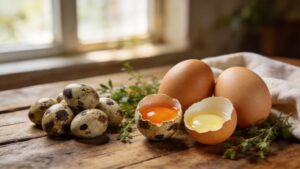
Quail hens start laying at 6–8 weeks old—a fraction of the 20+ weeks needed for chickens. They produce 200–300 eggs per year, and each egg is about one-fifth the size of a chicken egg but nutrient-dense. Because quail are a fraction of the cost to feed (about 1–2 ounces of feed per bird per day), the feed-to-egg conversion ratio is among the best in the poultry world.
| Species | Eggs/Year | Time to First Egg | Butcher Age | Space Needed (sq ft/bird) |
|---|---|---|---|---|
| Chicken (standard) | 250–300 | 20–24 weeks | 12–16 weeks | 4–6 |
| Duck | 250–300 | 16–20 weeks | 8–12 weeks | 6–8 |
| Quail (Coturnix) | 280–300 | 6–8 weeks | 6–8 weeks | 0.5–1 |
| Goose | 30–60 | 2–3 years | 12–20 weeks | 100+ |
Quail as a Sustainable Protein Source
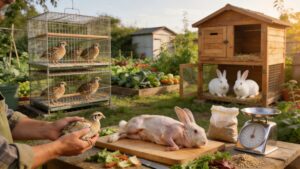
Quail meat is tender, mild, and lower in fat than chicken. Because of their small size, they can be butchered quickly with a pair of kitchen shears. For the urban homesteader who wants to raise meat without the visual impact of a large bird, quail are ideal. Many keepers process 20–30 birds every 8 weeks, yielding a consistent supply of fresh protein from a footprint smaller than a bicycle.
Predicting the Regulatory and Market Landscape
As more Americans embrace backyard poultry beyond chickens, regulators and markets are responding—sometimes slowly, sometimes with surprising speed.
Regulatory Trends
Several cities have already updated codes to accommodate ducks and quail. In Seattle, residents can keep up to 8 domestic fowl (including ducks and geese) without a permit. In Portland, Oregon, a pilot program permits quail in R1 zones. However, many suburban ordinances still ban “fowl” or limit them to chickens only. Expect a gradual wave of amendments over the next five years, driven by growing public interest and lobbying from groups like the American Poultry Association.
One key change on the horizon: urban slaughter allowances. Currently, most municipalities prohibit slaughter within city limits, forcing quail keepers to drive to rural processors. Several pilot programs in California and Colorado are exploring “backdoor slaughter” exemptions for small-scale producers (under 100 birds/year). If successful, this could become a national model, dramatically lowering the barrier for quail and duck meat production.
Market Shifts
The specialty egg market is booming. Duck egg prices have risen 20% year-over-year since 2020, driven by demand from artisanal bakeries and health-conscious consumers. Quail eggs are appearing on charcuterie boards and in upscale ramen shops. Goose fat, once a niche product, is now a pantry staple for many home cooks, retailing at $10–$15 per jar online.
“We started with 6 ducks and now have 40,” says Tom Ellis, founder of Ellis Homestead in Ohio. “We can’t keep duck eggs in stock at the farmer’s market. People drive an hour just to buy them. The interest is real, and it’s not a fad—it’s a fundamental shift in how people think about food quality and local sourcing.”
Simultaneously, the hatchery industry is adapting. Major suppliers like McMurray Hatchery and Murray McMurray have expanded their duck and quail offerings significantly, with new breeds specifically developed for backyard environments. Expect more “dual-purpose” breeds (e.g., the Saxony duck, bred for both eggs and meat) to become mainstream.
Conclusion: A New Era for Backyard Poultry
The diversification beyond chickens is not a rejection of the beloved hen but a recognition that one species cannot do it all. Ducks, geese, and quail each bring unique strengths—pest control, guarding, productivity, and adaptability—that fill gaps in the modern homestead. As regulations catch up and markets recognize the value of these alternative birds, the backyard flock of tomorrow will look far more varied than the simple chicken coop of yesterday. Whether you’re aiming for self-sufficiency, income, or ecological balance, now is the time to consider the full spectrum of poultry possibilities.