Introduction
Have you noticed your chicken limping, standing awkwardly, or spending more time sitting than usual? Before assuming it is an injured leg, take a careful look at the bottom of its feet.
Bumblefoot is a common foot condition in chickens, also known as pododermatitis. It often begins when pressure, rough surfaces, or a small injury damages the skin on the footpad, allowing bacteria to enter. Without appropriate treatment, the problem can develop into a painful infection that affects deeper tissues.
The good news is that regular foot checks, suitable housing, and early veterinary attention can help backyard poultry keepers identify problems before they become severe.
The most important rule: do not cut, squeeze, or dig into a suspected bumblefoot lesion yourself. An infected abscess may extend deeper than it appears, and invasive treatment should be handled by a veterinarian.
1. What Does Bumblefoot Look Like?
Bumblefoot affects the underside of a chicken’s foot, particularly the footpad that bears its weight when standing and walking.
Early changes may be subtle, so compare both feet rather than checking only the one that looks sore.
Common signs include:
- Redness: A patch of skin on the footpad looks red or irritated.
- Thickened skin: The footpad may appear rougher or firmer than normal.
- Swelling: One area of the pad may look enlarged or feel warmer than the surrounding tissue.
- A dark scab: A brown or black scab may develop over the affected area.
- Limping: Your chicken may shift its weight, take shorter steps, or avoid putting pressure on one foot.
- Reduced activity: A sore chicken may perch less, walk less, or spend more time sitting.
A dark scab is a well-known sign, but do not wait for one to appear before investigating foot problems. Bumblefoot can vary in severity, and a scab alone cannot tell you how deeply the infection extends.
2. What Causes Bumblefoot?
Bumblefoot is associated with damage and inflammation of the footpad, often complicated by bacterial infection. Several conditions can increase the risk.
Rough or damaged surfaces: Splinters, sharp wire ends, abrasive flooring, and objects in the run can injure the skin.
Excessive pressure: Hard, uneven, or poorly designed perches and repeated impact from jumping down can place stress on the feet.
Wet or dirty bedding: Damp litter and poorly maintained housing can contribute to skin irritation and expose damaged skin to bacteria.
Foot or mobility problems: Abnormal weight distribution, existing lameness, and other conditions that change how a chicken stands may increase pressure on particular areas.
Body weight and nutrition: Excess body weight can increase pressure on the footpads. An unbalanced diet can also affect overall health and tissue condition.
Finding a possible cause is useful, but it does not confirm the diagnosis. Other injuries and foot disorders can look similar, so persistent swelling, scabs, or lameness should be assessed by a veterinarian.
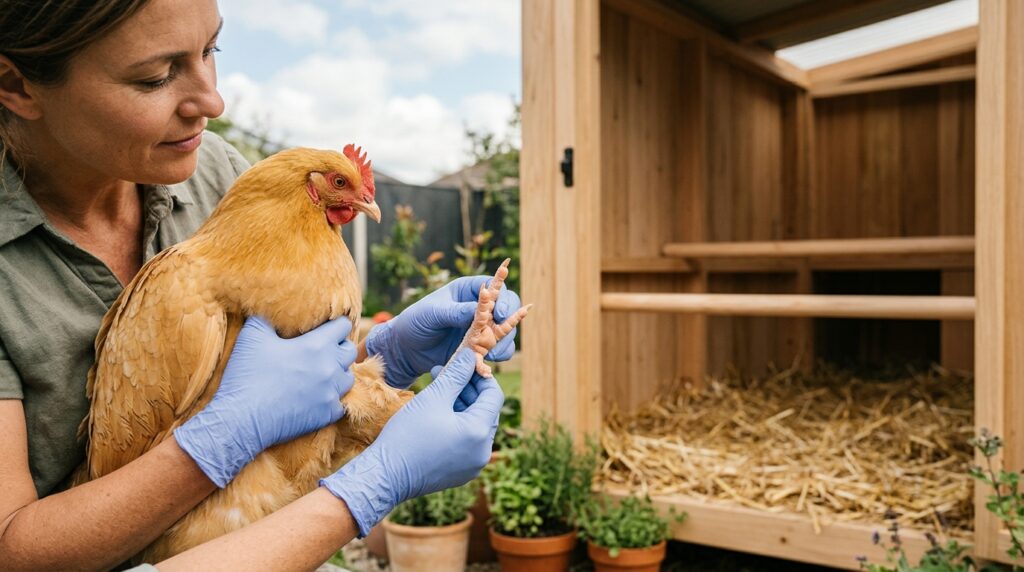
3. How to Check Your Chicken’s Feet Safely 🔎
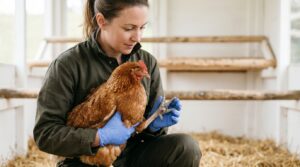
A quick foot inspection can become part of your regular flock-care routine.
- Choose a calm time. Handle your chicken gently and support its body securely.
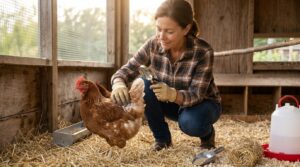
- Inspect both feet. Look at the underside of each footpad, between the toes, and around the claws.
- Compare the feet. Look for differences in color, swelling, skin thickness, and the way your chicken stands.
- Observe movement. Notice whether your chicken limps, avoids walking, or struggles to reach food and water.
- Record changes. Take a clear photograph and note the date if you spot an abnormality.
Avoid squeezing swollen areas or pulling off scabs. If the foot appears painful or your chicken resists handling, stop and seek veterinary advice.
4. How to Prevent Bumblefoot in Your Flock
Prevention starts with the environment your chickens use every day.
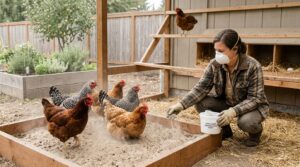
- Keep bedding clean and dry. Remove wet, heavily soiled litter and address leaking drinkers or drainage problems.
- Inspect perches regularly. Remove splinters and sharp edges, and provide stable, supportive perching surfaces.
- Check the run. Remove exposed wire, sharp debris, and other objects that could injure feet.
- Provide a balanced diet. Use an appropriate complete poultry feed for your birds’ age and production stage.
- Monitor body condition and mobility. Investigate persistent lameness or changes in how a bird stands.
- Inspect feet routinely. Check both feet during regular health assessments so you can notice changes early.
These steps address several recognized risk factors for footpad problems. They cannot eliminate every case, but they help reduce preventable injuries and pressure-related damage.
5. When Should You Call a Vet? 🩺
Do not wait for a chicken to become severely lame before seeking help.
Arrange prompt veterinary assessment if you notice:
- A swollen footpad or a dark scab accompanied by redness.
- A persistent limp or reluctance to walk.
- An open wound, discharge, or worsening swelling.
- Symptoms that return after previous treatment.
- A foot that looks increasingly painful or abnormal.
Seek urgent veterinary care if your chicken cannot stand or reach food and water, has rapidly worsening swelling, appears severely unwell, or stops eating or drinking.
Bumblefoot can sometimes extend into deeper tissues, tendons, joints, or bones. A veterinarian can assess its severity and decide whether wound care, protective bandaging, medication, imaging, or a surgical procedure is appropriate.
6. What Can You Do While Waiting for the Appointment?
If you suspect bumblefoot, focus on comfort and preventing further injury rather than attempting to remove the lesion.
- Provide clean, dry, soft bedding.
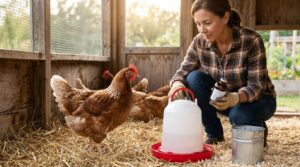
- Make feed and fresh water easy to reach.
- Reduce unnecessary jumping and movement.
- Keep the affected chicken in a suitable recovery area if needed, while minimizing stress.
- Wash your hands after handling the bird and wear gloves when dealing with wounds.
- Contact the veterinarian for instructions about cleaning, dressing, or protecting the foot.
Do not cut into the footpad, dig out a dark scab, or give antibiotics or pain medication without veterinary guidance. These treatments may be inappropriate for the specific problem, and invasive procedures can cause additional injury.
If the chicken is raised for eggs or meat, ask the veterinarian about any applicable medication withdrawal periods before using eggs or meat for food.
Final Thoughts 💚
Bumblefoot may start with a small change on the underside of a chicken’s foot, but ignoring swelling, scabs, or limping can allow a treatable problem to become more serious.
Make foot inspections part of your routine, keep housing surfaces safe, maintain dry bedding, and provide balanced nutrition. If you notice a suspicious lesion, seek veterinary advice early rather than trying to remove it yourself.
Healthy feet help chickens walk, forage, perch, and reach their food and water comfortably. A few minutes of regular observation can make a meaningful difference to your flock’s welfare.