Introduction 🐔
Your chickens may look healthy at first, but constant scratching, feather loss, irritated skin, or a drop in egg production can signal an unwanted problem: external parasites.
Mites and lice are common poultry pests, but they are not the same. Knowing how to identify them helps you choose an appropriate treatment, protect the flock, and reduce the chance of another infestation.
The good news? Regular checks, correct treatment, and a cleaner, well-maintained coop can make a big difference.
🐛 Mites vs. Lice: How to Tell the Difference
Mites are tiny arachnids. Some feed on blood and may hide in coop cracks during the day, coming out at night to feed. Others live on the bird. Certain infestations can cause pale combs, weakness, and reduced egg production.
Lice are small insects that live on chickens and feed mainly on feathers, skin debris, or secretions. You may spot them moving through the feathers, along with clusters of eggs attached to feather shafts.
Common warning signs include:
- Frequent scratching, preening, or restlessness
- Broken feathers, feather loss, or irritated skin
- Tiny moving insects or eggs near the skin and feather bases
- Pale combs or wattles, especially with a heavy mite infestation
- Reduced egg production or poor condition in severe cases
These signs can have other causes, so inspect carefully before choosing a treatment.
🔎 Where and How to Check Your Chickens
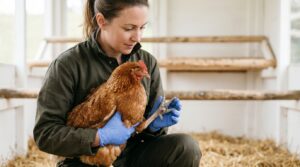
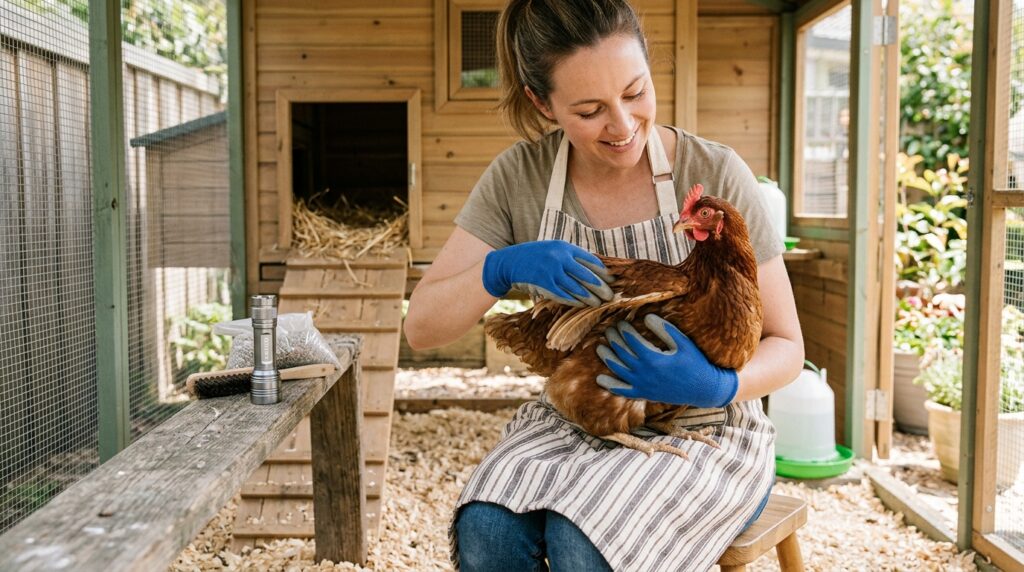
Choose a well-lit area and gently part the feathers. Check around the vent, under the wings, along the breast, and near the feather shafts. Look for moving parasites, eggs, irritated skin, or dark specks.
For suspected red poultry mites, inspect the coop after dark with a flashlight. Examine perch joints, nest boxes, cracks, and crevices. These mites can hide in the environment rather than remaining on the bird all day.
Wear gloves if appropriate, handle birds gently, and wash your hands afterward. If you cannot identify the pest, ask a poultry veterinarian or experienced extension professional for help.
🧹 How to Treat the Flock Safely
1. Choose a treatment labeled for poultry and the specific parasite. Follow the product label exactly, including application method, repeat-treatment instructions, and precautions. Never assume a product intended for dogs, cats, or other livestock is safe for chickens.
2. Treat the birds that need treatment. Some infestations spread easily through a flock, so check every bird and follow professional or product-label guidance on which birds to treat. Do not improvise doses or mix products.
3. Address the coop, too. For parasites that hide in the environment, treating the birds alone may not solve the problem. Remove bedding, clean the coop, and treat suitable surfaces only with products specifically labeled for that use. Keep birds, eggs, feed, and water protected as directed.
4. Repeat only as directed. Some treatments do not kill every egg, so a correctly timed follow-up may be necessary. Do not repeat treatments more frequently than the label allows.
5. Protect eggs and meat. Some products have egg or meat withdrawal requirements, and certain products are not approved for laying hens. Confirm the rules for your specific product and location before use. When uncertain, consult a poultry veterinarian.
Avoid relying on household insecticides, essential oils, or diatomaceous earth as guaranteed cures. Dusts can irritate the respiratory system, and products that are not labeled for poultry may be unsafe.
🌿 How to Prevent the Problem from Returning
Prevention is about making infestations easier to spot and harder to sustain.
- Inspect birds regularly. Check feathers and skin during routine handling, especially if scratching or feather damage appears.
- Keep the coop clean and dry. Replace soiled bedding and clean perches, nest boxes, and hiding places.
- Inspect new birds. Quarantine newcomers separately and check them for parasites before introducing them to the flock.
- Check equipment and housing. Used cages, carriers, and equipment can carry parasites, so inspect and clean them appropriately.
- Monitor flock health. Record scratching, feather loss, egg production, and any treatment dates to help identify recurring problems.
If birds become weak, have very pale combs, stop eating, or show a heavy infestation, seek veterinary advice promptly. Severe blood-feeding mite infestations can cause anemia and may become life-threatening.
Final Thoughts 🥚
Chicken mites and lice are manageable when you identify the likely pest, use an appropriate poultry-safe treatment, and address the places where parasites live and reproduce.
The most effective routine is simple: inspect the birds, check the coop, treat correctly, and monitor for recurrence. Avoid unverified home remedies and never assume one treatment works for every parasite.
A few minutes of regular checking can help protect your flock’s comfort, health, and egg-laying routine.